
San Diego Zoo: The Complete Visitor Guide
Discover one of the world's most famous zoos — home to over 12,000 animals, lush botanical gardens, and unforgettable wildlife experiences.
12,000+ Animals
Over 650 species from every continent — from giant pandas to polar bears.
100 Acres of Gardens
A world-class botanical garden with over 700,000 plants creating natural habitats.
Guided Bus Tour
A narrated double-decker bus covers 70% of the park in 35 minutes — included with admission.
Skyfari Aerial Tram
Soar above the treetops for breathtaking views of the zoo and downtown San Diego.
Conservation Leader
Pioneering wildlife conservation and breeding programs for endangered species worldwide.
- Family Appeal: 10/10
- Animal Encounters: 10/10
- Dining Options: 7/10
- Value for Money: 8/10
- Location: Balboa Park, San Diego, California
- Opened: 1916 — over 100 years of wildlife conservation
- Hours: 9:00 AM – 6:00 PM (varies by season)
- Ticket Price: Adults from $69, Children from $59
- Best For: Families, animal lovers, photographers
- Highlight: Giant pandas and the Africa Rocks exhibit
A Century of Wild Wonder in the Heart of San Diego
The San Diego Zoo is more than just a zoo — it’s a living museum, a conservation powerhouse, and a beautiful 100-acre botanical garden nestled in sunny Balboa Park. Since opening its gates in 1916, it has grown from a handful of animals left behind after the Panama-California Exposition into one of the most respected zoological institutions on the planet.
The zoo’s origin story is as unique as the institution itself. Dr. Harry Wegeforth, a local physician, was inspired by the roar of a lion at the 1915–1916 Exposition and famously declared, “Wouldn’t it be splendid if San Diego had a zoo!” What began with just 50 animals donated from the fair has blossomed into a world-class facility that attracts over 4 million visitors annually. The zoo’s early commitment to naturalistic habitats was decades ahead of its time, replacing iron bars with moats and glass barriers that allowed animals to exhibit more natural behaviors.
Today, the zoo houses over 12,000 animals representing more than 650 species, many of which are rare and endangered. Its pioneering open-air, cageless exhibits were revolutionary when introduced and remain a model for modern zoos worldwide. From the misty bamboo forests of Panda Canyon to the sun-baked rocks of Africa Rocks, each habitat is meticulously crafted to mimic the animals’ native environments. The attention to detail extends beyond the animals themselves — the zoo cultivates over 700,000 exotic plants representing more than 3,700 species, creating authentic ecosystems that serve both educational and conservation purposes.
What truly sets the San Diego Zoo apart is its dual commitment to visitor experience and global conservation. The zoo is operated by the nonprofit San Diego Zoo Wildlife Alliance, which funds field projects on six continents. When you visit, you’re not just enjoying a day out — you’re supporting critical work to protect wildlife around the world. The organization has pioneered breeding programs for endangered species like the California condor, which was brought back from the brink of extinction with only 27 birds remaining in the wild in the 1980s. Today, thanks largely to the zoo’s efforts, there are over 500 condors, with more than half flying free in their natural habitats.
The zoo’s Frozen Zoo, a groundbreaking genetic repository, stores frozen cells, embryos, and DNA from thousands of species. This living library has already been used to clone endangered animals and may prove invaluable as climate change and habitat loss threaten biodiversity worldwide. Your admission ticket directly supports these initiatives, making every visit a meaningful contribution to global wildlife preservation.

Must-See Exhibits and Habitats
With 100 acres to explore, these iconic zones belong on every visitor’s itinerary.
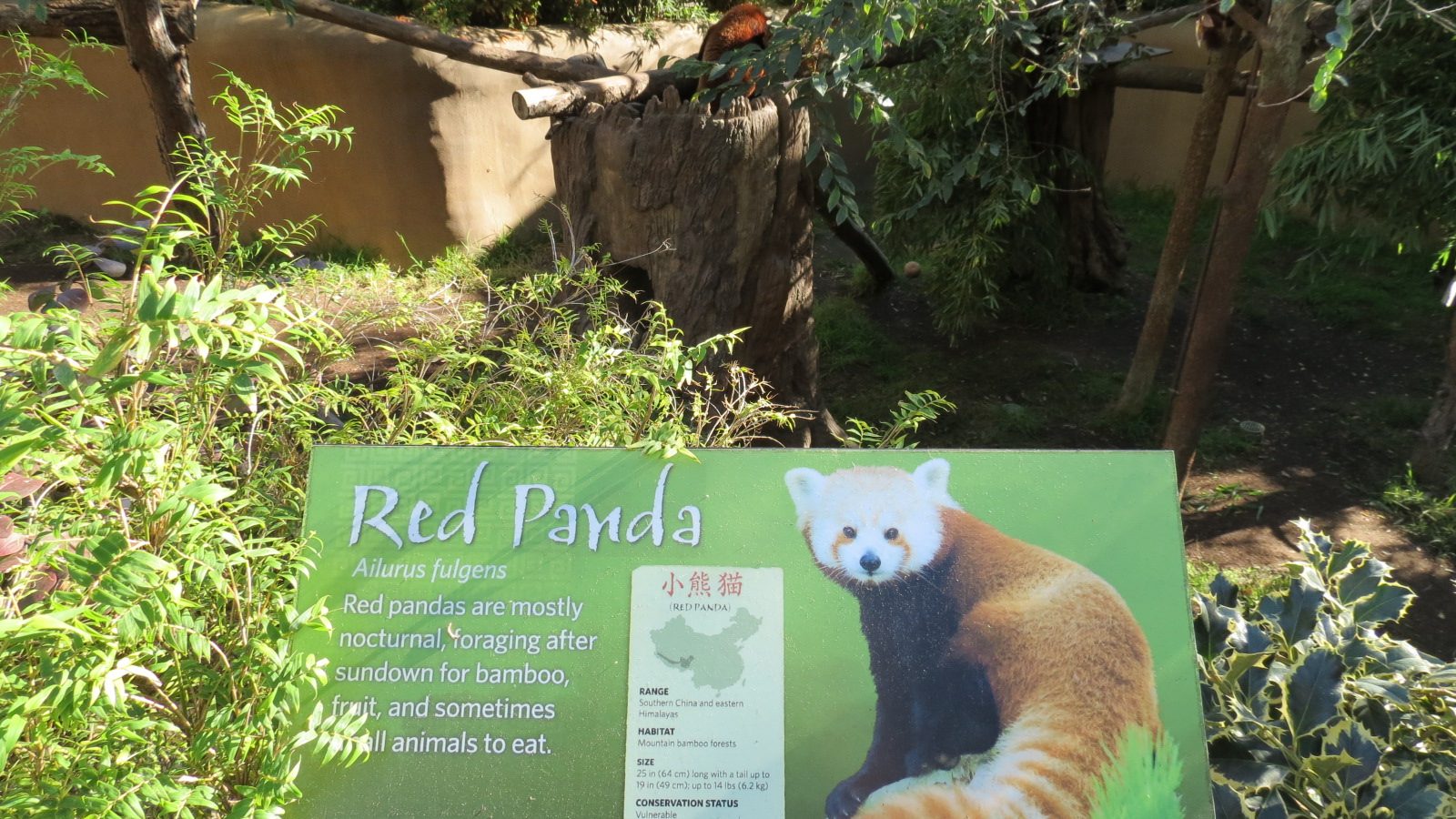
Panda Canyon
Home to the zoo's most famous residents. Watch giant pandas munch bamboo, climb trees, and lounge in their misty forest habitat. A true bucket-list experience.

Africa Rocks
A stunning journey through African ecosystems — from penguin colonies on the Cape Coast to lemurs in the Madagascar Forest and baboons on sun-drenched cliffs.

Elephant Odyssey
Walk alongside elephants, camels, and jaguars in this sprawling habitat that traces the journey of prehistoric animals that once roamed Southern California.
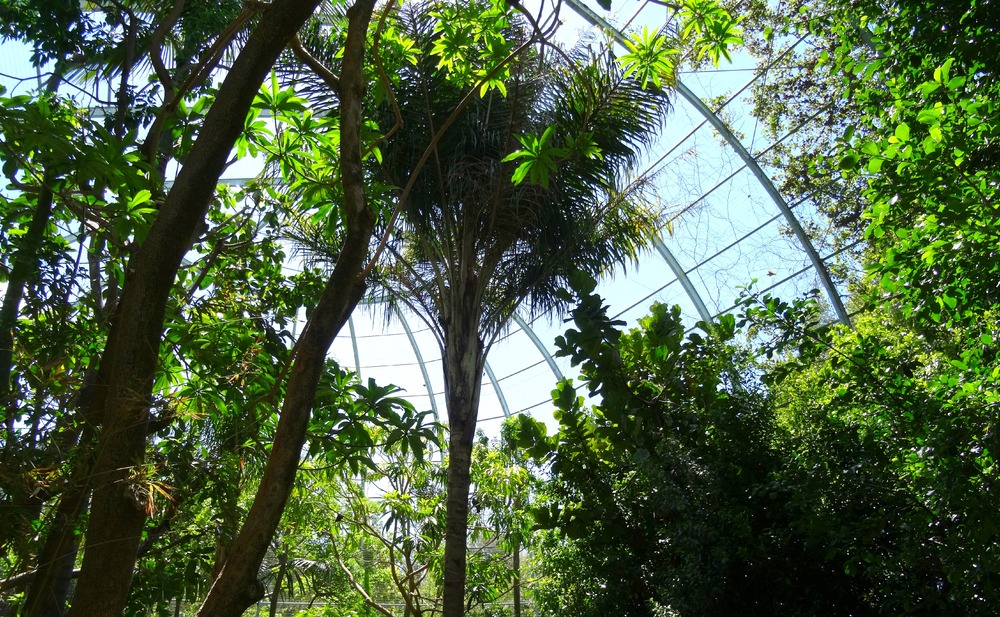
Lost Forest
Explore the habitats of gorillas, orangutans, and hippos in a lush tropical environment. The new Denny Sanford Wildlife Explorers Basecamp is a hands-on favorite for kids.

Northern Frontier
Enter the Arctic world of polar bears, reindeer, and arctic foxes. Watch polar bears swim above your head through an underwater viewing window.
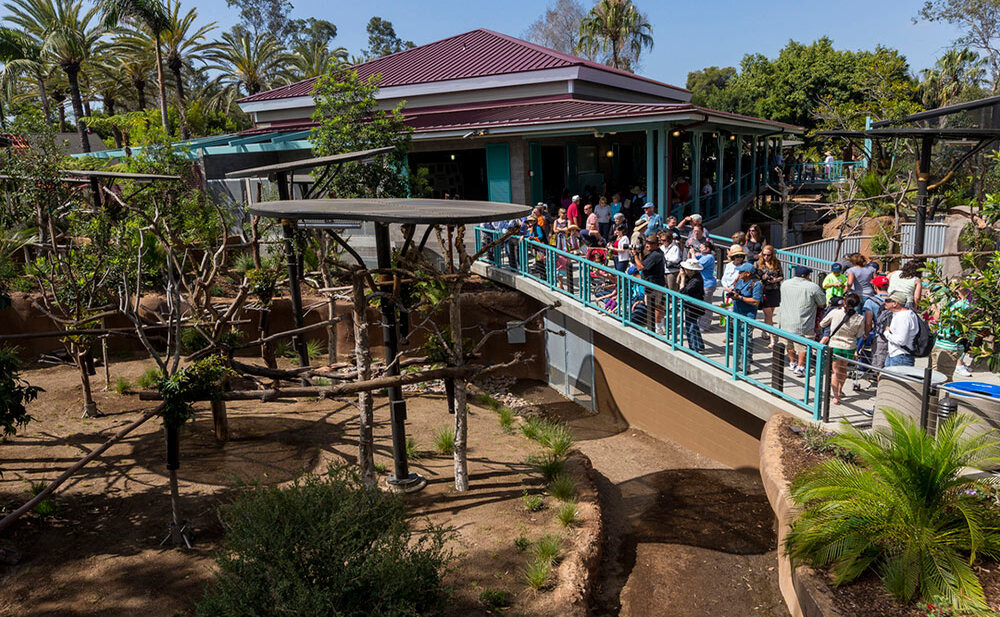
Australian Outback
Get up close with koalas, wombats, and wallabies. The walk-through aviary is filled with colorful native birds including parrots and cockatoos.
Tips for the Perfect Zoo Day
The San Diego Zoo is built on a hillside in Balboa Park, so comfortable walking shoes are absolutely essential — you’ll be traversing steep paths and canyons throughout the day. The zoo spans 100 acres, and seeing everything in one visit is ambitious. Plan to spend at least 4 to 6 hours, or a full day if you want a relaxed pace with meal breaks. The terrain includes significant elevation changes, with some paths featuring inclines that can be challenging for visitors with mobility concerns, though wheelchair and stroller rentals are available at the entrance.
Timing your visit strategically can dramatically enhance your experience. Arrive right when the gates open at 9:00 AM — early mornings offer cooler temperatures, smaller crowds, and more active animals. Many species are most energetic during the first few hours after opening, especially during summer months when afternoon heat causes animals to retreat to shaded areas. Weekdays, particularly Tuesday through Thursday, tend to be less crowded than weekends and holidays.
Start your visit with the free Guided Bus Tour, which departs near the entrance and covers roughly 70% of the park in 35 minutes. It’s the best way to get oriented and spot animals you might otherwise miss. The double-decker buses are narrated by knowledgeable guides who share fascinating facts about the animals, habitats, and conservation programs. The tour takes you through areas not accessible on foot and provides excellent photo opportunities from elevated vantage points. Consider taking the tour twice — once at the beginning to plan your route, and again later to catch exhibits you didn’t have time to explore on foot.
Use the Skyfari Aerial Tram to move between the front and back of the zoo while enjoying spectacular views of the park, Balboa Park, and downtown San Diego. This iconic gondola system has been operating since 1969 and offers a unique bird’s-eye perspective of animal habitats below. On clear days, you can even glimpse the Pacific Ocean in the distance. The tram runs continuously throughout the day and is included with your admission, making it both a practical transportation tool and an attraction in itself.
Download the San Diego Zoo app for an interactive map, show times, and feeding schedules. The zoo offers several dining options, from grab-and-go snacks to the full-service Albert’s Restaurant near the Lost Forest. Outside food and drinks are permitted, and bringing your own water bottle is highly recommended — refill stations are located throughout the park. Designated picnic areas with shaded tables are available near the flamingo pond and at the front plaza, perfect for families who pack their own lunches.
Weather in San Diego is generally mild year-round, but bring layers — mornings can be cool and foggy, especially in late spring, while afternoons warm up considerably. Sunscreen, hats, and sunglasses are essential even on overcast days. During summer, temperatures can reach the 80s and 90s, so plan indoor breaks at the Reptile House or Polar Bear Plunge’s underwater viewing area to cool down.
Unforgettable Animal Encounters and Experiences
Giant Pandas: The zoo’s most iconic residents are back in a newly renovated Panda Canyon habitat. Watch these charismatic bears in their element — eating, sleeping, and climbing — in one of the best panda exhibits outside China. Visit early, as this area draws the biggest crowds by midday. The San Diego Zoo’s panda program is legendary, having successfully bred six cubs between 1999 and 2012 before the previous pandas returned to China. The current pandas arrived in 2024 as part of a renewed conservation partnership, delighting visitors with their playful antics and enormous appetite for bamboo — each panda consumes 40 to 80 pounds of bamboo daily. The habitat features both indoor and outdoor viewing areas, with floor-to-ceiling windows offering unobstructed views of these endangered treasures.
Africa Rocks: This eight-habitat exhibit complex showcases the incredible diversity of African wildlife, from the Ethiopian Highlands to Madagascar Forest and Penguin Beach. Watch African penguins waddle on land and torpedo through crystal-clear waters in a 70,000-gallon pool with underwater viewing windows. The West African Forest section houses endangered primates like guenons and colobus monkeys in a lush, multi-story environment. Don’t miss the Madagascar section, where lemurs leap through the trees, and the Cape Fynbos area, which replicates South Africa’s unique floral kingdom with authentic plants rarely seen outside their native region.
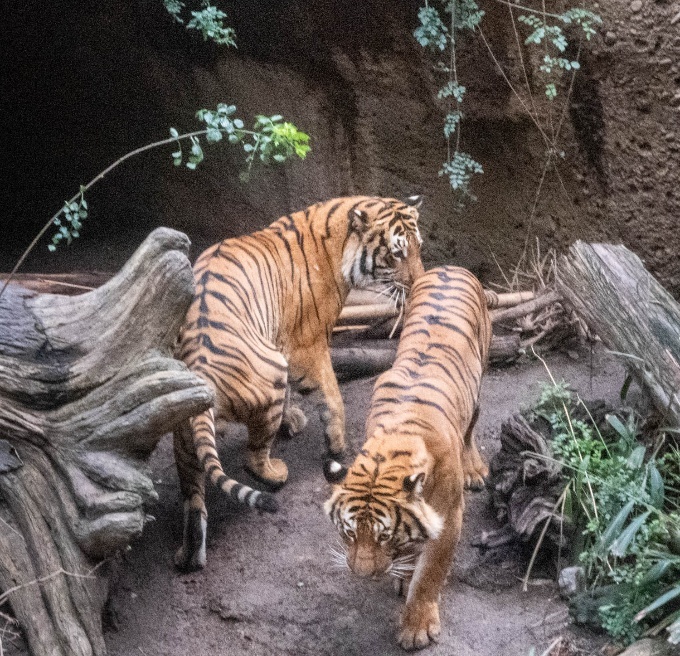
Tiger Trail and Tiger River: Get face-to-face with magnificent Malayan tigers as they patrol their territory along a winding pathway through Asian rainforest. The exhibit’s design places visitors at various heights relative to the tigers, creating dynamic viewing perspectives. Nearby, the Tiger River features rare Asian wildlife including fishing cats, gharials (fish-eating crocodiles with distinctive elongated snouts), and tapirs. The misty, jungle-like atmosphere makes this one of the zoo’s most immersive sections.
Wildlife Explorers Basecamp: Opened in 2022, this immersive 3.2-acre children’s zone brings kids nose-to-nose with wildlife through interactive play spaces, climbing structures, and close encounters with species like sloths, armadillos, and colorful birds. Children can crawl through tunnels that emerge in wildlife viewing domes, climb a two-story treehouse, and get wet in water play features. The Basecamp also features a butterfly garden where hundreds of native California butterflies float freely, occasionally landing on visitors. This area is specifically designed for children 10 and under, providing age-appropriate education about wildlife conservation through hands-on exploration.
Skyfari Aerial Tram: This iconic gondola ride whisks visitors over the treetops from the front to the back of the zoo. It’s both a practical transportation option and a thrilling way to spot animals from above. The three-minute journey offers breathtaking panoramic views and a welcome rest for tired feet. Photography enthusiasts should keep cameras ready — the aerial perspective provides unique shots of elephants, tigers, and other animals in their habitats below.
Keeper Talks and Feedings: Throughout the day, zookeepers host free talks and feeding demonstrations. Watching a grizzly bear forage for food or an elephant interact with enrichment toys while a keeper explains their behavior is an unforgettable experience — check the daily schedule on the app. Popular presentations include the elephant care demonstration at Elephant Odyssey, where trainers showcase the incredible intelligence and training involved in caring for these gentle giants, and the polar bear feeding, where you’ll learn how keepers provide mental stimulation through puzzle feeders and hidden treats. These interactions offer insights into animal behavior, personality, and the zoo’s sophisticated care protocols that you simply can’t get from passive observation.
Where to Stay Near the San Diego Zoo
The San Diego Zoo is located in beautiful Balboa Park, just north of downtown San Diego. There are no hotels inside the park, but dozens of excellent options are minutes away.
The Park Manor Hotel and Balboa Park Inn are within walking distance, perfect for those who want to stroll to the zoo entrance. The Park Manor Hotel, a charming historic property built in 1926, offers affordable rates with vintage appeal and is literally across the street from the park’s main entrance. Balboa Park Inn provides modern amenities with a boutique feel, and guests frequently praise the walkability to both the zoo and other Balboa Park attractions.
For a full downtown experience, the Gaslamp Quarter offers everything from boutique hotels to major chains like the Hard Rock Hotel and Omni San Diego, all within a 10-minute drive. The Gaslamp Quarter’s vibrant nightlife, restaurants, and entertainment make it ideal for visitors who want to explore San Diego beyond the zoo. The Pendry San Diego and Hotel Republic San Diego both offer upscale accommodations with rooftop pools and restaurants, while budget-conscious travelers can find value at properties like Best Western Plus Bayside Inn.
Families seeking more space should look at Mission Valley hotels, where many properties offer free parking, pools, and suites with kitchenettes. Mission Valley sits just east of Balboa Park along Interstate 8, typically offering better value than downtown hotels. The Handlery Hotel San Diego and Town and Country San Diego both feature family-friendly amenities including multiple pools, on-site dining, and complimentary shuttles to nearby attractions. The area also provides easy access to shopping centers and casual dining chains that appeal to families with children.
Old Town and Mission Hills also provide charming, quieter alternatives just a short drive away. Pair your zoo visit with other Balboa Park museums — the San Diego Natural History Museum and the Fleet Science Center are both within walking distance and are excellent for families. Balboa Park is home to 17 museums, multiple gardens, and the famous Old Globe Theatre, making it easy to craft a multi-day cultural itinerary. Consider purchasing a Balboa Park Explorer Pass if you plan to visit multiple museums — it offers significant savings compared to individual admissions. The botanical building, carousel, and Spanish Village Art Center are also free or low-cost attractions that enhance any zoo visit.
Frequently Asked Questions
How long does it take to see the San Diego Zoo?
Most visitors spend 4 to 6 hours. To see everything at a relaxed pace — including shows, meals, and the bus tour — plan for a full day.
Are the pandas still at the San Diego Zoo?
Yes. Giant pandas returned to the San Diego Zoo in a newly renovated Panda Canyon habitat. Check the zoo’s official website for the latest panda viewing availability.
Is parking free at the zoo?
Yes, parking is free in the large lot in front of the zoo. It can fill up on weekends and holidays — arrive early for the best spots.
What's the best time of year to visit?
Spring and fall offer the most pleasant weather and moderate crowds. Summer is busy but the zoo is open later. Winter is quiet and mild, though some animals may be less active.
Is the zoo wheelchair and stroller accessible?
Yes, the zoo is fully accessible. Wheelchairs, electric scooters, and strollers are available to rent at the entrance. The Skyfari tram is also wheelchair accessible.
Can I bring my own food?
Yes, outside food and non-alcoholic drinks are permitted. Picnic tables are available, and there are plenty of grassy areas to spread out and enjoy a packed lunch.