
Six Flags Theme Parks: The Ultimate Guide for Thrill Seekers
America's largest regional theme park chain — world-class coasters, family rides, seasonal festivals, and money-saving tips across every location.
Record-Breaking Coasters
Every Six Flags park pushes limits — from the world's first 4D coasters to 400-foot scream machines.
27 Parks Across North America
From California to New Jersey, Texas to Montreal — a Six Flags is within driving distance of most Americans.
Affordable Season Passes
Gold and Platinum passes pay for themselves in one visit with free parking and unlimited admission.
Seasonal Events Year-Round
Fright Fest in fall, Holiday in the Park in winter, and summer festivals with food, music, and entertainment.
Kids & Family Zones
Dedicated Looney Tunes lands with pint-sized coasters, gentle rides, and character meet-and-greets.
- Thrill Rides: 9/10
- Family Appeal: 7/10
- Dining Options: 5/10
- Value for Money: 9/10
- Flagship Parks: Magic Mountain (CA), Great Adventure (NJ), Great America (IL), Over Texas (TX)
- Founded: 1961 — first park opened in Arlington, Texas
- Price Range: $35–$90 per day (deeply discounted online)
- Best For: Coaster enthusiasts, teenagers, families with older kids
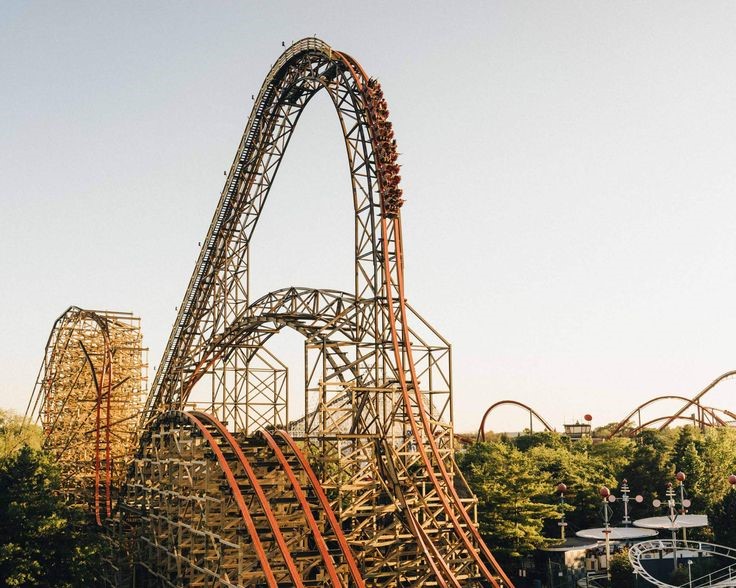
- Highlight: Kingda Ka at Six Flags Great Adventure — 456 feet, 128 mph, world's tallest coaster
America's Coaster Empire — 27 Parks, One Thrill-Seeking Mission
Six Flags is the largest regional theme park chain in North America and the undisputed king of thrill rides. With 27 parks spread across the United States, Canada, and Mexico, there is likely a Six Flags within driving distance of your home — and if you are a coaster enthusiast, you have probably visited several. The chain’s identity is built on adrenaline: taller, faster, and more intense rides than its competitors, at a fraction of the price of destination parks.
The Six Flags brand originated in Texas in 1961, taking its name from the six flags that have flown over the state throughout its history: Spain, France, Mexico, the Republic of Texas, the Confederate States, and the United States. What began as a single park has evolved into a continental network of entertainment destinations, each with its own personality while maintaining the core Six Flags DNA of high-octane thrills. The company has weathered bankruptcy, ownership changes, and strategic pivots, but its commitment to being the coaster capital of the world has never wavered.
The flagship parks are legends in the coaster community. Six Flags Magic Mountain in California holds the record for most roller coasters in a single park at 20, earning it the nickname “Thrill Capital of the World.” This park has become a pilgrimage site for coaster enthusiasts, featuring everything from classic Arrow suspended coasters to cutting-edge RMC hybrids and prototype 4D rides. Six Flags Great Adventure in New Jersey is home to Kingda Ka, the world’s tallest roller coaster at a staggering 456 feet, and El Toro, widely considered one of the best wooden coasters ever built. The park also features a drive-through safari with exotic animals — an unexpected combination of wildlife and extreme rides. Six Flags Great America near Chicago blends Midwestern charm with a deep lineup of B&M and RMC coasters, including the iconic Batman: The Ride, which was the world’s first inverted coaster when it opened in 1992.
Beyond these giants, the Six Flags network includes hidden gems like Six Flags Fiesta Texas in San Antonio, built into a natural limestone quarry with acoustics that make it a premier concert venue; Six Flags Over Georgia, the second park in the chain and a showcase of southern hospitality; and La Ronde in Montreal, offering stunning views of the St. Lawrence River alongside its thrills. Each park reflects its regional market while delivering the signature Six Flags experience: world-class coasters with minimal theming but maximum intensity.
What truly sets Six Flags apart is accessibility. Single-day tickets are frequently discounted to $35–$50, and annual passes — which include parking, admission to every Six Flags park, and friend discounts — can cost less than a single day at Disney. The company has perfected the art of dynamic pricing and promotional offers, with deals popping up around holidays, back-to-school season, and during winter planning periods. Many season passes cost between $90 and $150 when purchased during sales, which means just three visits break even compared to gate prices. The chain has also invested heavily in seasonal events. Fright Fest transforms parks into haunted playgrounds every fall, drawing massive crowds willing to brave scare actors and fog-filled mazes. Holiday in the Park brings lights, shows, and winter charm to the off-season, proving that roller coasters can be just as thrilling at 40 degrees as they are at 90.
The parks also offer entertainment beyond rides. Live shows range from stunt performances to music revues, and character meet-and-greets feature both Looney Tunes characters and DC Comics superheroes. Six Flags has licensing agreements that bring Batman, Superman, Wonder Woman, and The Joker into the park through themed rides, photo opportunities, and seasonal celebrations. For families with younger children, dedicated kids’ areas like Bugs Bunny Land offer age-appropriate rides and activities that introduce the next generation to the thrill-seeking lifestyle.
Six Flags is not about immersive theming or culinary excellence — it is about standing in line with friends, strapping into something terrifying, and walking off with your heart pounding. The parks embrace a raw, unpretentious approach: concrete pathways, chain-link fences around coaster queues, and an atmosphere that says “we’re here to launch you into the sky, not transport you to a fantasy realm.” For purists who measure a park’s value by airtime seconds and G-forces rather than storytelling, Six Flags delivers exactly what matters.
Six Flags Flagship Parks You Need to Visit
These five parks represent the best of Six Flags — record-breaking coasters, unique attractions, and unforgettable experiences.
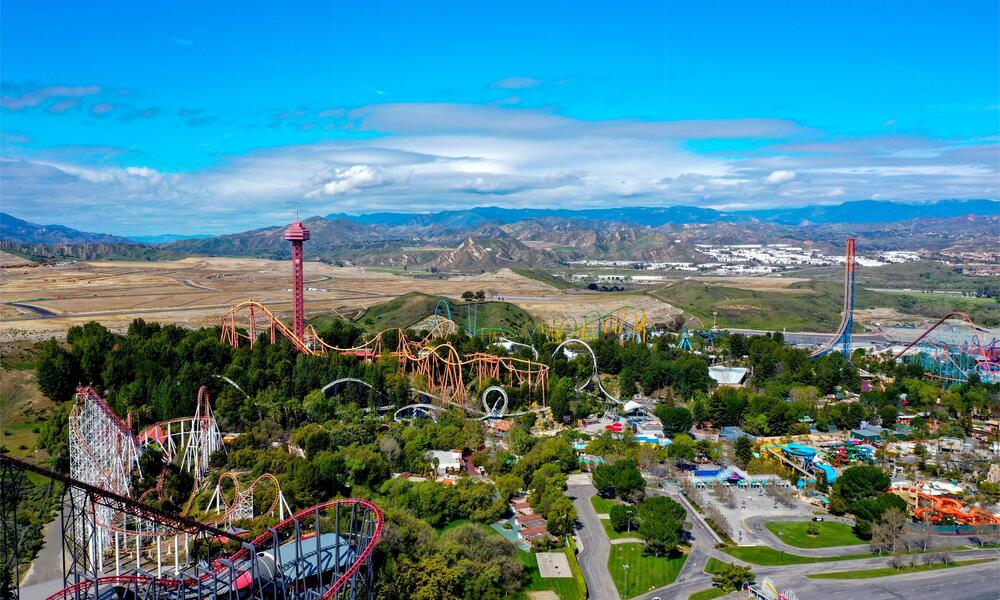
Six Flags Magic Mountain (CA)
The coaster capital with 20 roller coasters — the most of any park on Earth. Home to Twisted Colossus, X2, Tatsu, and Wonder Woman Flight of Courage. A must-pilgrimage for coaster enthusiasts.
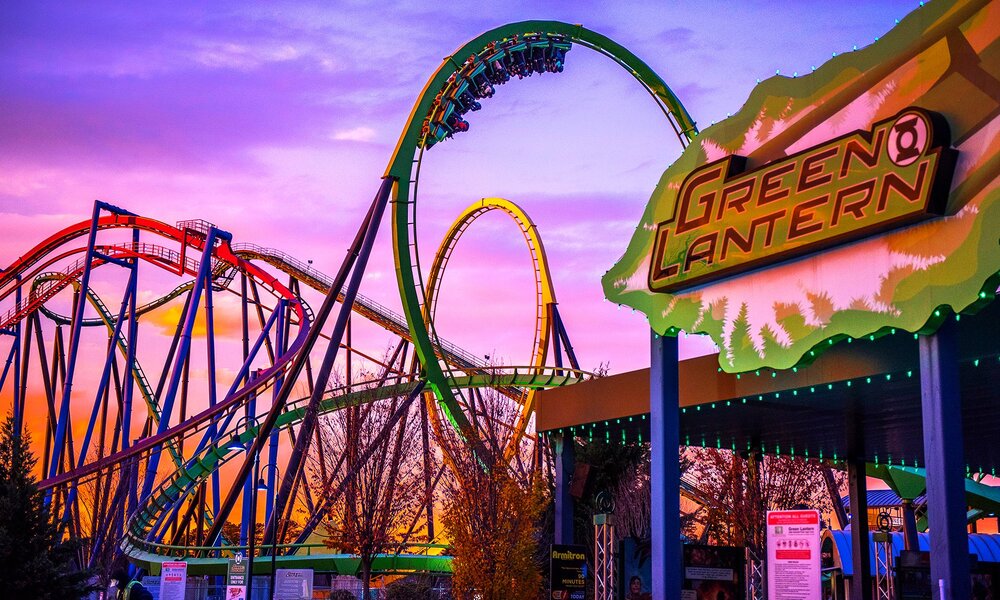
Six Flags Great Adventure (NJ)
The East Coast giant. Kingda Ka — 456 feet and 128 mph — towers over the park alongside El Toro, one of the world's best wooden coasters. A massive safari park is included with admission.
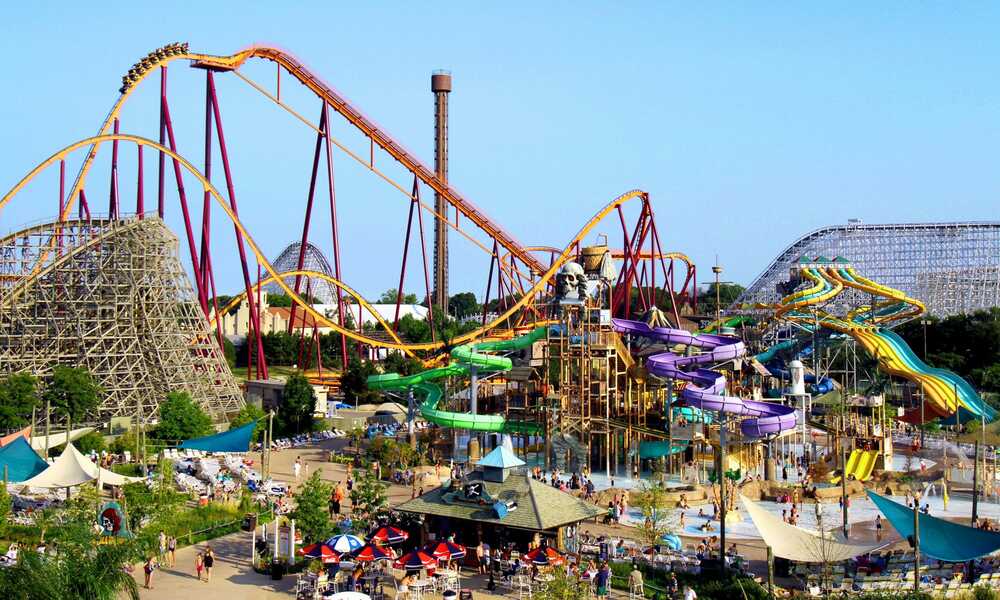
Six Flags Great America (IL)
A beautifully maintained park between Chicago and Milwaukee. Maxx Force launches 0–60 in under 2 seconds. Goliath is a compact RMC masterpiece. Whizzer is a beloved classic still thrilling after 45+ years.
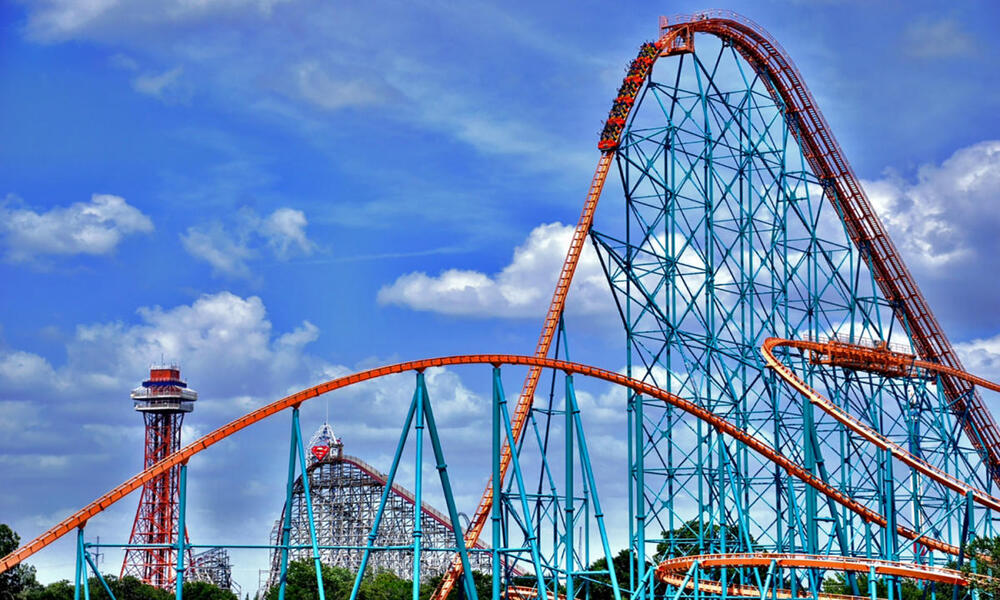
Six Flags Over Texas (TX)
The original park that started it all in 1961. Titan towers 245 feet with a 540-degree helix finale. New Texas Giant is a smooth hybrid conversion. Deeply woven into Texas culture.
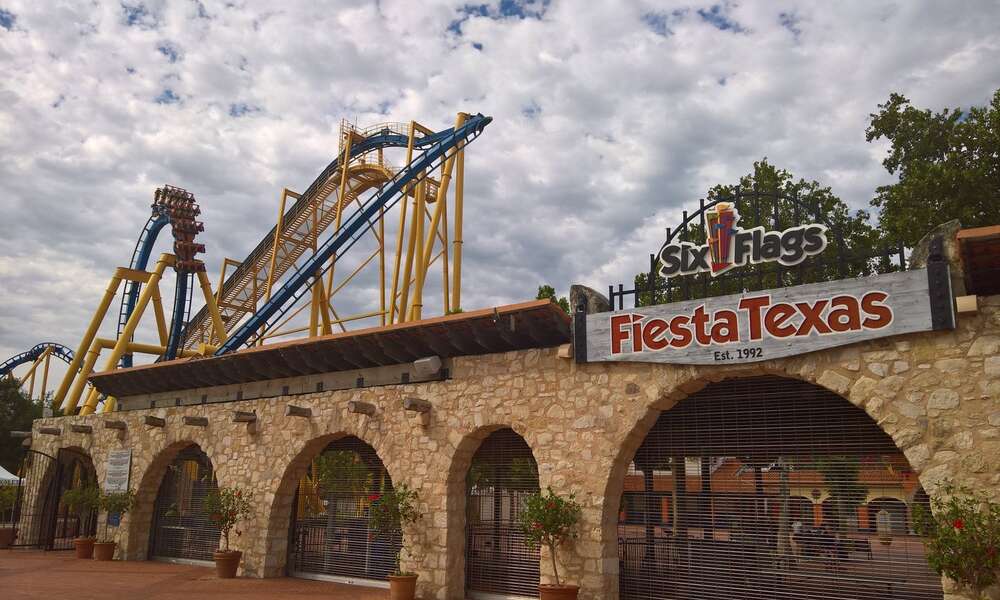
Six Flags Fiesta Texas (TX)
Carved into a former limestone quarry, this San Antonio park features stunning rock wall scenery. Iron Rattler dives off a 171-foot cliff. The park's quarry setting is genuinely unique.
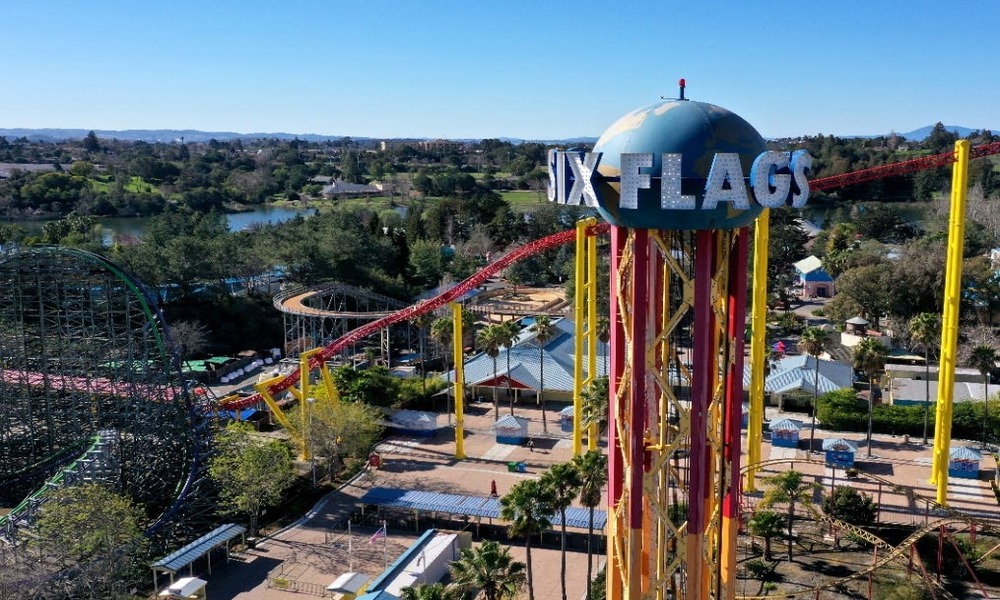
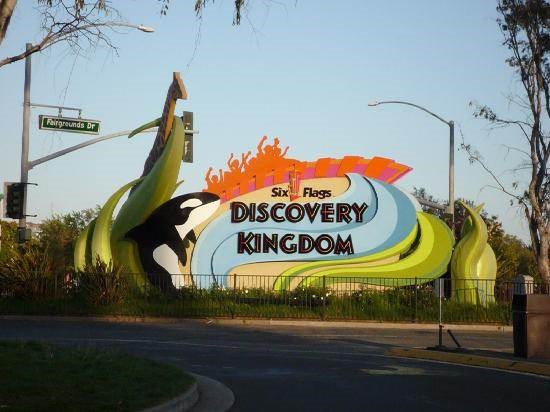
Six Flags Discovery Kingdom (CA)
A park that blends coasters with marine life shows and animal encounters. Ride Medusa, then watch dolphins. Superman Ultimate Flight launches you like a jet. Unlike anything else in the chain.
Maximize Your Six Flags Day: Flash Pass, Parking, and Pro Tips
Six Flags parks are extremely popular on weekends, during Fright Fest, and on summer holidays. A smart strategy can mean the difference between riding 12 coasters or standing in line for three. The single best investment is arriving 30 minutes before the published opening time — the parking toll booths, security, and gates all open earlier than posted, and the first hour of operation is blissfully empty at most parks. This early arrival window is when you should knock out the most popular rides: Kingda Ka, X2, Twisted Colossus, or whatever the flagship attraction is at your specific park. Lines that will be two hours by noon are often walk-ons at 9:30 AM.
Flash Pass is Six Flags’ line-skip system, and it comes in three tiers. Regular Flash Pass holds your place in line virtually, allowing you to explore the park instead of standing in a queue, but you still wait the full posted time. Gold cuts the posted wait time by 50%, which is useful on moderately busy days. Platinum reduces it by 90% and is the only tier worth buying on busy days — it essentially turns every major ride into a walk-on. Unlike Disney’s Genie+, Flash Pass allows re-rides on the same attraction — a huge advantage for coaster fans who want to lap their favorites. Buy online in advance, especially during Fright Fest when passes frequently sell out. Flash Pass pricing is dynamic and increases with park attendance, ranging from $50 for Regular to over $200 for Platinum on peak days.
One underutilized strategy is the “rope drop and Flash Pass hybrid” approach: arrive early, marathon your top three rides during the empty first hour, then activate your Flash Pass around 11 AM when crowds surge. This maximizes value and lets you experience nearly every major attraction without traditional queuing. Groups should designate one person to manage the Flash Pass device, coordinating reservations to minimize downtime between rides.
Parking is expensive at $35–$50 per car, which is why a Gold Season Pass pays for itself in two visits. Many parks now offer preferred parking for an additional fee, placing you closer to the entrance and shaving 10-15 minutes off your walk — worth it if you’re visiting during hot weather or with young children. Some locations have added solar-covered parking structures that protect your car from heat, a welcome upgrade in Texas and California. If you’re staying at a nearby hotel, check whether they offer shuttle services; several properties near major Six Flags parks provide free transportation as a guest perk.
Meal passes are another Six Flags offering worth considering — a basic dining pass covers lunch and a snack every visit for a flat annual fee, and the premium tier adds dinner. Food quality varies by park but has improved in recent years with chain partnerships like Panda Express, Johnny Rockets, and local favorites, plus mobile ordering that reduces wait times. The meal pass typically pays for itself in 3-4 uses, making it a strong value for frequent visitors. Outside food is generally not permitted, though small snacks and water bottles are fine. Security checks at the gate are standard, and coolers or large bags will be refused entry. All Six Flags parks are cashless — debit, credit, and mobile payments only. This policy speeds up transactions but means you must have a functioning payment method; bring a backup card in case of issues.
Download the Six Flags app for wait times, an interactive map, and mobile food ordering. The app’s accuracy has improved significantly, though it tends to overestimate wait times by 10-15% during peak hours — use it as a guide rather than gospel. The interactive map includes restroom locations, ride status updates, and show times, making navigation effortless even in unfamiliar parks. Mobile food ordering is a game-changer: place your order while standing in a ride queue, pick it up when you’re hungry, and avoid the 20-minute food line entirely.
Ride locker policies are strict — many major coasters require all bags (including small purses) to be placed in paid lockers near the entrance. Locker rentals range from $1-$3 per use for small lockers to $15-$25 for all-day moveable lockers that can be transferred between rides. Travel light or budget for locker rentals. Zippered pockets and secure cargo shorts are your friends; phones, wallets, and keys can usually stay on your person if secured in zipped pockets, though some rides prohibit even that. Bring a credit card, ID, and phone — leave everything else in your car.
Additional pro tips: wear comfortable shoes because you’ll walk 6-10 miles; apply sunscreen before entering the park and reapply midday; hydrate constantly as dehydration sneaks up on you in the heat and excitement; and if you’re prone to motion sickness, ride the most intense coasters first before your stomach gets sensitive. If you have a height-eligible child riding their first big coaster, start with something smooth like a B&M hyper coaster rather than a rough wooden coaster — first impressions matter.
The Best Six Flags Roller Coasters Across America
Kingda Ka — Six Flags Great Adventure (NJ): The tallest roller coaster in the world and one of only two strata-coasters ever built. A hydraulic launch rockets riders to 128 mph in 3.5 seconds before climbing 456 feet straight up and spiraling back down. The ride lasts 28 seconds. It is pure, unfiltered adrenaline. The launch feels like being rear-ended by a freight train in the best possible way, and the ascent provides a brief, surreal moment of weightlessness at the apex before gravity reclaims you. The view from the top — on clear days you can see the Manhattan skyline — lasts about half a second before the plunge. Kingda Ka is temperamental and frequently closes for wind or mechanical issues, so ride it first thing if it’s operating. The queue offers a front-row viewing area where non-riders can watch launches, which is entertainment in itself.
Twisted Colossus — Six Flags Magic Mountain (CA): An RMC hybrid conversion of the original Colossus racing coaster. Steel track on a wooden structure with endless airtime hills, zero-g rolls, and a dueling layout that races two trains simultaneously. Widely considered the best coaster at Magic Mountain. The ride experience changes dramatically depending on whether you catch a “duel” — when both trains are dispatched in sync, creating a racing/near-miss experience through intertwined elements. A non-dueling ride is still world-class, but a successful duel elevates it to top-tier status. The blue side is generally considered slightly superior due to its sequence of elements, but both sides deliver sustained airtime that borders on excessive. The RMC transformation turned a classic but dated wooden coaster into a modern masterpiece, and it represents the company’s ability to reimagine existing structures into something revolutionary.
El Toro — Six Flags Great Adventure (NJ): A prefabricated wooden coaster with one of the most intense first drops in existence. The 176-foot drop at a 76-degree angle delivers explosive airtime, and the following hills sustain the ejector sensation. In a park with Kingda Ka, many enthusiasts consider El Toro the superior ride. Unlike traditional wooden coasters built on-site, El Toro’s track was precision-manufactured in Switzerland by Intamin, resulting in glass-smooth tracking that allows for maneuvers impossible on conventional wooden coasters. The ride maintains relentless pacing from start to finish, with transitions that snap you from positive Gs to ejector airtime and back again. The final third features a twisting sequence through the structure that generates laterals strong enough to bruise ribs against the lap bar. El Toro has faced extended closures for retracking in recent years, so check its operating status before visiting.
Maxx Force — Six Flags Great America (IL): The fastest-accelerating coaster in North America. A compressed air launch propels riders from 0 to 78 mph in under two seconds into a series of inversions. It is over in 23 seconds, but the launch alone justifies the wait. The acceleration is so violent that it’s genuinely difficult to keep your head against the headrest — riders report temporary vision tunneling from the G-forces. Following the launch, the coaster tears through the world’s fastest inversion, a double inversion, and a final inversion before slamming into the brake run. Maxx Force is a statement piece: proof that ride quality isn’t measured in duration but in intensity per second. The short ride time means high throughput on paper, but a single train operation and complicated restraint system keep lines long.
Wonder Woman Golden Lasso Coaster — Six Flags Fiesta Texas (TX): A single-rail RMC Raptor that packs a ferocious punch into a compact footprint. Steep drops, snappy inversions, and forces that make you feel like you might leave the seat. The single-rail design creates an exposed, flying sensation unlike traditional coasters. Riders straddle a single rail rather than sitting between two tracks, resulting in an unobstructed view and a vulnerability that amplifies every element. The compact layout is deceptively intense — the inversions are taken at high speed with minimal heartlining, creating disorienting transitions. This coaster proves that bigger isn’t always better; it’s become a fan favorite precisely because it maximizes thrill within a small space and moderate height. The queue winds through a DC-themed plaza with Wonder Woman theming that’s more extensive than Six Flags’ typical minimal approach.
X2 — Six Flags Magic Mountain (CA): The world’s first 4D coaster. Seats rotate independently 360 degrees forward and backward while the train navigates a track with massive drops and inversions. It is disorienting, intense, and unlike anything else in the world — even 20 years after opening. The ride begins with a backward lift hill, already unnerving riders before the first drop. Then the seats flip forward as you plummet face-first toward the ground, creating a skydiving sensation amplified by the flame effects at the base of the drop. Throughout the layout, you’re never sure what orientation you’ll be in next — sometimes you’re facing the sky during an inversion, sometimes staring straight down during an upward climb. The ride is rough by modern standards, and the bulky restraints and massive trains result in long loading times, but X2 remains a bucket-list experience. Night rides with the on-board audio and fire effects are particularly memorable.
Other notable mentions include Goliath at Six Flags Great America (a wooden coaster with an 85-degree drop and the longest drop on any wooden coaster), Full Throttle at Six Flags Magic Mountain (featuring a world-record loop and a backward launch), and Superman: Ride of Steel at Six Flags America (a hyper coaster with sustained speed and airtime). Each Six Flags park maintains at least one signature coaster that alone justifies the visit, and coaster enthusiasts often plan multi-park road trips to collect credits and experiences across the chain.
Beyond the Coasters: Fright Fest, Holiday in the Park, and More
Six Flags parks operate seasonally, but they make the most of their open months with events that transform the guest experience. Fright Fest is the chain’s marquee event, running select nights from mid-September through October. By day, the park offers family-friendly Halloween activities including costume contests, trick-or-treating for kids, and decorations that set the spooky mood without overwhelming younger guests. By night — after 6 PM — it transforms into a horror experience with haunted houses, scare zones filled with roaming monsters, and coasters running in the dark. The transformation is dramatic: fog machines activate, lighting shifts to ominous reds and purples, and actors in elaborate costumes emerge to startle guests in designated scare zones.
Haunted attractions range from traditional walk-through mazes with jump scares to theatrical experiences with storylines and special effects. Popular themes include asylums, abandoned towns, zombie apocalypses, and original IP developed by Six Flags’ creative teams. The quality varies by park — flagship locations invest heavily in set design, animatronics, and actor training, while smaller parks offer simpler experiences. Haunted house access typically requires an additional wristband purchase beyond park admission, and premium tiers offer front-of-line access to minimize wait times.
Fright Fest is incredibly popular, and Saturday nights sell out. Arrive early, buy a haunted house wristband in advance, and be prepared for enormous crowds. Lines for haunted attractions can exceed two hours on peak nights, so strategy matters: hit the most popular maze first, use Flash Pass if available for haunts, and ride major coasters during haunt operating hours when much of the crowd is in the mazes. Riding coasters in complete darkness adds a new dimension — you can’t anticipate elements, making familiar rides feel brand new. The scare zones are free-roaming areas where actors can approach guests anywhere; if you dislike being startled, these areas can be avoided by sticking to main pathways where scare zones are clearly marked.
Holiday in the Park extends the season into November and December at select Six Flags locations. Parks are decked out in millions of LED lights — some displays are synchronized to music, others create tunnels and archways of illumination throughout the midways. Seasonal shows take over stages, featuring holiday music, dance performances, and appearances by characters in winter attire. Select coasters operate in the cold — an entirely different riding experience as metal contracts and trains run faster in cooler temperatures. Riding a hypercoaster in 35-degree weather with sub-zero windchill is not for the faint of heart but creates unforgettable memories for those brave enough to endure it.
Hot chocolate and s’mores replace soda and funnel cake as the snack of choice. Some parks add snow play areas and ice skating rinks, transforming sections of the park into winter wonderlands. Holiday in the Park is significantly less crowded than Fright Fest, making it ideal for families and those seeking a more relaxed experience. Parks also offer designated times for photos with Santa and holiday-themed character interactions. The event has grown in popularity as guests discover that theme parks during the holidays offer unique experiences unavailable elsewhere.
Summer concert series at select parks bring in major touring acts, included with park admission. Six Flags has hosted everyone from legacy rock bands to contemporary pop artists, with performances on outdoor stages following park operating hours. The concerts are standing-room general admission, and seating is limited, so arriving early is essential for good views. For music fans, the ability to ride coasters all day and catch a live concert at night represents extraordinary value — comparable concert tickets elsewhere would cost $50-$100, but at Six Flags it’s included.
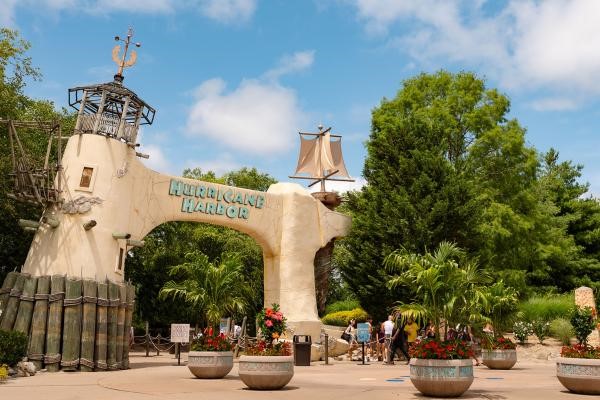
Six Flags Hurricane Harbor — the chain’s water park brand — operates alongside many parks and is often included with a combo ticket or season pass. The water parks are a welcome cooldown on hot summer days and feature wave pools, lazy rivers, and a growing number of thrill slides including trapdoor drop capsules, multi-person raft rides, and body slides with vertical loops. Hurricane Harbor parks have improved dramatically in recent years with upgraded facilities, expanded cabana rentals, and improved food options. Many locations offer combo tickets that allow same-day entry to both the theme park and water park, letting guests split their day between coasters and water attractions.
Additional seasonal events vary by location: some parks host food festivals celebrating regional cuisines, while others offer beer and wine tastings (separate ticket required, 21+ only). Superhero-themed weekends, STEM education days, and spring break celebrations fill the calendar, ensuring there’s always something beyond the standard operating day. The diversity of events demonstrates Six Flags’ evolution from a pure coaster chain into a multi-dimensional entertainment provider while maintaining its core identity.
Frequently Asked Questions
Which Six Flags park has the most roller coasters?
| Six Flags Magic Mountain in Valencia, California holds the world record with 20 roller coasters. The park has held this title for over 20 years and continues to add new coasters regularly. |
Is a Six Flags season pass worth it?
For almost anyone visiting more than once, yes. A Gold Pass typically includes parking, unlimited admission to all Six Flags parks, and discounts on food and merchandise. Two visits often cover the cost compared to single-day tickets plus parking.
What is the difference between Six Flags and Cedar Point?
Six Flags is a chain of 27 regional parks focused on accessibility and volume. Cedar Point is a single destination park with a more carefully curated experience, superior operations, and a historic lakefront setting. Six Flags parks are generally cheaper but can feel less polished.
Are Six Flags parks open year-round?
| Most parks operate seasonally from spring through fall, with select locations open for Holiday in the Park in November and December. Six Flags Magic Mountain in California operates year-round on weekends outside of peak seasons. Hurricane Harbor water parks are summer-only. |
Can I visit multiple Six Flags parks with one pass?
Yes. Gold Pass and above include admission to all Six Flags parks nationwide. There are no blockout dates at the Gold level. Higher tiers add premium parking and priority entry at select parks.
Is Six Flags good for young children?
Yes, but quality varies by park. Every Six Flags has a dedicated kids’ area with Looney Tunes theming, gentle rides, and family coasters. Parks like Great Adventure and Great America have stronger children’s offerings than Magic Mountain. Check the specific park’s ride list before visiting with toddlers.