
SeaWorld Parks: Marine Life, Thrilling Coasters, and Unforgettable Shows
A complete guide to SeaWorld parks across America — animal encounters, world-class roller coasters, seasonal events, and ticket savings for the whole family.
Up-Close Animal Encounters
Touch pools, behind-the-scenes tours, and educational presentations with dolphins, sea lions, and penguins.
Surprising Thrill Coasters
Mako, Manta, Ice Breaker, and Emperor — SeaWorld parks pack serious coaster power alongside the animal exhibits.
Sesame Street Land
Dedicated kids' zones with gentle rides, splash pads, and character meet-and-greets with Elmo, Big Bird, and friends.
Seasonal Festivals
Seven Seas Food Festival, Electric Ocean summer nights, Halloween Spooktacular, and Christmas Celebration year-round.
Rescue & Conservation
SeaWorld has rescued over 40,000 animals — every visit supports wildlife rehabilitation efforts across the country.
- Animal Encounters: 9/10
- Thrill Rides: 8/10
- Family Appeal: 8/10
- Value for Money: 7/10
- Locations: Orlando (FL), San Diego (CA), San Antonio (TX)
- Opened: First park in San Diego, 1964
- Highlight: Mako in Orlando — one of the tallest, fastest, and longest hypercoasters in Florida
- Best For: Families, animal lovers, coaster enthusiasts
- Price Range: $70–$120 per day (significant discounts online)
- Hours: Typically 9:00 AM – 6:00 PM (extended hours during summer and events)
Where the Ocean Meets the Sky — SeaWorld's Unique Blend of Life and Thrills
SeaWorld occupies a unique space in the theme park world. It is part marine zoological park, part aquarium, and part thrill ride destination — a combination no other chain has replicated at this scale. Across three locations in Orlando, San Diego, and San Antonio, SeaWorld welcomes millions of visitors each year to experience animals up close and ride some of the best roller coasters in the country.
The parks have evolved dramatically over the past decade. Where once the focus was almost entirely on theatrical animal shows, today’s SeaWorld balances conservation education, hands-on animal encounters, and a growing collection of world-class thrill rides. Orlando’s Mako is a B&M hypercoaster that reaches 200 feet and 73 mph — a genuine top-tier coaster that happens to overlook a shark exhibit. San Diego’s Emperor is California’s first floorless dive coaster. San Antonio’s Texas Stingray is a roaring wooden coaster built in 2020.
Each park location has developed its own distinct character while maintaining the core SeaWorld mission. Orlando is the largest and most visited, featuring the most extensive ride collection and serving as the testing ground for new attractions. San Diego, the original SeaWorld that opened in 1964, offers the most scenic setting with sweeping views of Mission Bay and maintains a stronger focus on its rescue and rehabilitation facilities. San Antonio combines Texas-sized thrills with unique regional touches, including exhibits featuring animals from local waterways like the Gulf of Mexico.
The transformation from show-focused entertainment to experience-based education represents one of the most significant strategic shifts in theme park history. This evolution was driven by changing public attitudes toward marine mammal captivity, scientific advances in animal welfare, and guest feedback requesting more interactive and educational experiences. Modern SeaWorld presentations emphasize natural behaviors, ecological context, and conservation messaging rather than theatrical performance.
SeaWorld’s commitment to animal rescue is the backbone of its identity. The organization has rescued and rehabilitated over 40,000 animals — sea turtles, manatees, dolphins, sea lions, and birds — often in partnership with state and federal wildlife agencies. That work is showcased throughout the parks in educational presentations and behind-the-scenes tours.
The rescue operations run 24 hours a day, 365 days a year. When a stranded or injured marine animal is reported anywhere along the coasts where SeaWorld operates, rescue teams are dispatched with specialized equipment and veterinary support. Many rescues involve sea turtle hatchlings disoriented by beachfront lighting, manatees injured by boat strikes, or seal pups separated from their mothers. The rehabilitation process can take weeks or months, during which animals receive round-the-clock medical care, nutrition support, and behavioral monitoring. Approximately 80% of rescued animals are successfully returned to the wild — a rate that reflects both the expertise of SeaWorld’s animal care teams and the sophistication of their facilities.
Guests can witness this rescue work firsthand at dedicated exhibits near park entrances. These areas feature animals currently in rehabilitation, with signage explaining their rescue stories, treatment plans, and projected release dates. Educational staff members are available to answer questions and explain how guests can support marine conservation in their own communities.
For families, Sesame Street Land provides a colorful, shaded area with kid-sized rides and water play. And the seasonal festival lineup — Seven Seas Food Festival in spring, Electric Ocean in summer, Halloween Spooktacular in fall, and Christmas Celebration in winter — means there is almost always something new happening at SeaWorld.
Sesame Street Land deserves special mention as one of the most thoughtfully designed children’s areas in any theme park. Opened in 2019 at SeaWorld Orlando and subsequently expanded to other locations, this six-acre land recreates the iconic neighborhood from the beloved television series with impressive attention to detail. Younger visitors can climb through multi-level play structures, splash in interactive water features designed for toddlers, and meet costumed characters including Elmo, Cookie Monster, Abby Cadabby, and Big Bird.
The seasonal festivals have become destination events in their own right. Seven Seas Food Festival transforms the parks into culinary destinations with internationally-inspired small plates, craft beers, and live entertainment spanning multiple weekends. Electric Ocean features extended evening hours with luminescent displays, nighttime coaster rides, and DJ-driven dance parties creating an entirely different atmosphere than daytime visits. Halloween Spooktacular offers family-friendly trick-or-treating, character meet-and-greets in costume, and special themed shows — no haunted houses or scare actors, making it appropriate for young children. Christmas Celebration blankets the parks in millions of lights, features visits with Santa and Rudolph, and includes special holiday shows and festive food offerings.
Whether you want to fly over London with Peter Pan, travel to a galaxy far, far away in Star Wars: Galaxy’s Edge, or eat and drink your way through eleven countries at Epcot, the sheer scale of experiences is unparalleled. Since opening in 1971, it has remained the world’s most visited vacation resort, drawing millions annually to its meticulously crafted lands.
Our guide is designed to help both first-timers and seasoned pros navigate the complexity of Genie+, dining reservations, and park hopping — so you can spend less time planning and more time enjoying the magic.
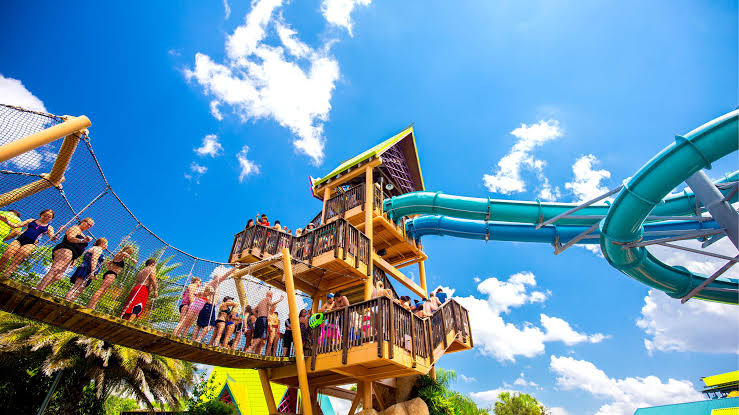
Explore SeaWorld Parks Across America
Three unique parks, each with its own personality, exclusive attractions, and must-see animal experiences.
SeaWorld Orlando
The largest of the three parks and home to Mako, Ice Breaker, and the all-new Pipeline: The Surf Coaster. Massive aquarium exhibits, orca and dolphin presentations, and the sprawling Sesame Street Land make it a full-day destination.
SeaWorld San Diego
The original park with stunning Mission Bay views. Home to Emperor — California's first floorless dive coaster — and Electric Eel, a triple-launch coaster. The park's coastal setting and rich history give it a distinct California feel.
SeaWorld San Antonio
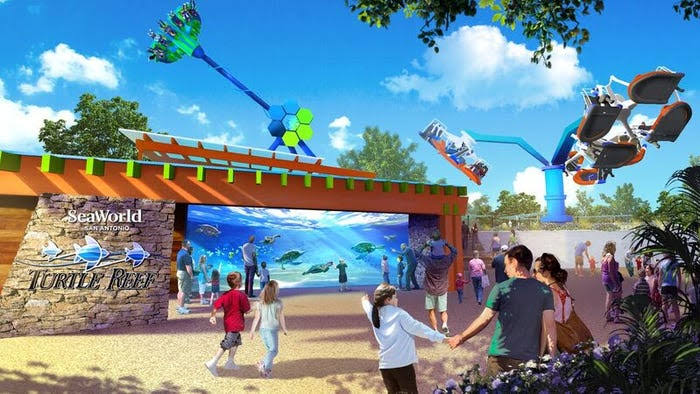
A Texas-sized park with a unique blend of thrill rides and animal encounters. Texas Stingray is a standout wooden coaster. The park's water park, Aquatica San Antonio, is included with some ticket types.
SeaWorld Strategy: Quick Queue, Shows, and Smart Scheduling
SeaWorld parks are generally less crowded than Disney and Universal counterparts, which makes for a more relaxed visit — but smart planning still pays off. The parks are designed around a combination of animal presentations, rides, and exhibits, and the key to a great day is mixing them in a logical order.
Shows operate on set schedules published in the park app each morning. Plan your day around the showtimes first, then fill the gaps with rides and exhibits. The orca and dolphin presentations are the most popular and fill up early — arrive 15 to 20 minutes before showtime for good seats, especially on busy days. The splash zone sections are clearly marked, and yes, you will get wet in the first 10 rows.
Understanding the rhythm of a SeaWorld day makes an enormous difference in your experience. Most guests arrive between 10:00 AM and noon, creating the heaviest crowds during midday hours. Seasoned visitors arrive at park opening, head directly to major coasters before lines develop, then settle into the show rotation as crowds build. Late afternoon, typically between 2:00 PM and 4:00 PM, sees a natural lull as families with young children begin departing — this window offers excellent opportunities for re-rides on popular attractions with minimal waits.
The park app is essential for real-time planning. Beyond showtimes, it displays current wait times for all attractions, provides interactive maps with GPS positioning, lists dining locations with menu previews, and sends notifications about special animal feedings or surprise character appearances. Download the app before your visit and enable notifications to stay informed throughout the day.
Stadium seating for animal presentations follows a strategic layout. The splash zones in front rows are perfect for hot days and create memorable photo opportunities, but understand you will get thoroughly soaked — protect phones and cameras accordingly. Mid-stadium seating typically offers the best overall views without water concerns. Upper sections provide wider perspectives ideal for photography and videography. For shows featuring multiple pools or stages, center seating ensures you won’t miss any action happening at different locations.
Quick Queue is SeaWorld’s line-skip system. Unlike Universal’s Express Pass, Quick Queue is typically an affordable add-on — often $20 to $40 per person — and provides one-time priority access on major coasters. Quick Queue Unlimited allows re-rides and is worth the upgrade on peak days. All-day dining deals are another SeaWorld value worth considering. For a flat fee, you can eat every 90 minutes from select restaurants — a genuine money-saver for families who plan to spend a full day at the park.
The math on all-day dining is straightforward: the pass typically costs $35-45 per person and includes an entree, side, and drink every 90 minutes from participating locations. If you eat just three meals throughout your visit, you’ve already exceeded the pass value compared to à la carte pricing. Four or five meals — entirely reasonable during a 10-hour park day — delivers substantial savings. Participating restaurants offer diverse options from burgers and pizza to salads, seafood, and barbecue, ensuring dietary variety throughout the day.
Quick Queue value calculations depend on crowd levels and your tolerance for standby lines. On slower weekdays, standard queues rarely exceed 20-30 minutes even for premier attractions, making Quick Queue unnecessary for most guests. During peak periods like summer weekends, spring break, and holidays, standby times can reach 60-90 minutes for popular coasters, and Quick Queue becomes extremely valuable. The Unlimited version is recommended when you’ve identified 4-5 attractions you want to experience multiple times — the ability to marathon your favorite coaster without re-queuing is worth the premium for enthusiasts.
Parking is $30 to $40 for standard, with preferred and VIP options closer to the entrance. All parks are cashless — bring a card or use mobile payment. Outside food is generally not permitted, though small snacks and water bottles are fine. The parks are highly seasonal, with reduced hours on weekdays outside of summer and holiday periods. Check the operating calendar before booking.
Preferred parking reduces walking distance by approximately 5-7 minutes each way — worth considering if traveling with elderly family members, young children, or during Florida’s sweltering summer months. VIP parking is closest to the entrance, though at premium pricing that’s difficult to justify for most guests unless accessibility is a concern.
The cashless policy, implemented across all SeaWorld parks, streamlines transactions but requires preparation. Credit cards, debit cards, and mobile payment systems (Apple Pay, Google Pay, Samsung Pay) are accepted universally. Some guests prefer loading a set budget onto a reloadable gift card to control spending — these can be purchased online or at park ticket windows and work identically to credit cards throughout the park.
Regarding outside food, enforcement is reasonable and practical. Small snacks like granola bars, crackers, or fruit pass without issue. Single-use water bottles are explicitly permitted and actually encouraged given the heat at Florida and Texas locations. Full meals, coolers, and glass containers are prohibited. Guests with specific dietary requirements, allergies, or medical conditions can bring necessary foods with documentation — speak with Guest Services at the entrance for guidance.
Seasonal hours vary dramatically. Summer months typically feature 9:00 AM to 9:00 PM or later schedules, while off-season weekdays might see 10:00 AM to 5:00 PM operations. Some seasonal events extend hours further — Electric Ocean nights run until 11:00 PM. Always verify operating hours for your specific visit date during the planning phase to avoid arriving at closed gates or missing evening entertainment.
Must-Do Coasters and Animal Encounters at SeaWorld
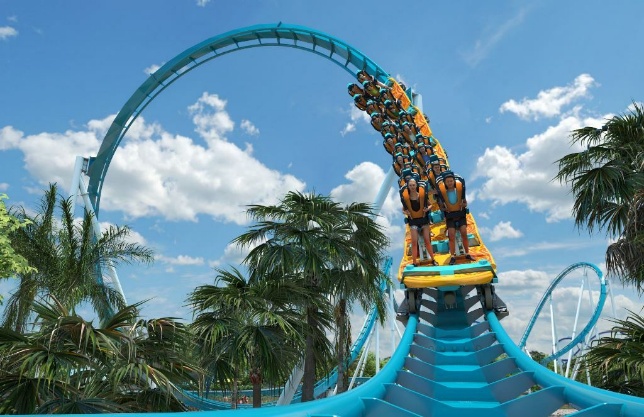
Mako — SeaWorld Orlando: A B&M hypercoaster named after one of the ocean’s fastest sharks. The 200-foot first drop is pure sustained airtime, and the layout emphasizes speed and negative G-forces rather than inversions. It is widely considered one of the best coasters in Florida and runs beautifully smooth. Ride in the back row for maximum airtime.
Mako delivers 4,760 feet of track reaching speeds of 73 mph, making it Orlando’s tallest, fastest, and longest roller coaster. The experience begins with a dramatic climb offering panoramic views across the park before a breathtaking 200-foot plunge at a 60-degree angle. What follows is a masterclass in hypercoaster design: nine airtime hills providing extended moments of weightlessness, a 360-degree hammerhead turn that whips riders through powerful positive G-forces, and sweeping overbanked curves that maintain relentless speed throughout the nearly three-minute ride.
The theming connects brilliantly to the adjacent shark exhibit. Queue videos educate riders about mako sharks — their hunting techniques, remarkable speed bursts reaching 46 mph, and conservation status. The coaster’s color scheme of deep blue and silver mirrors the shark’s natural appearance, and the layout mimics the burst-and-glide swimming patterns makos use when pursuing prey.
Emperor — SeaWorld San Diego: California’s first and only floorless dive coaster. Riders are held at the edge of a 153-foot vertical drop for several agonizing seconds before plunging face-first into a series of inversions. The coaster is named for the emperor penguin and sits near the penguin exhibit — a thematic touch that connects the ride to the park’s animal focus.
Emperor’s signature element is the terrifying hold at the apex. Riders sit in open-air, floorless trains with nothing below their dangling feet, tilted at the edge of a sheer 90-degree drop while anticipation builds for 3-4 seconds before release. The freefall plunge reaches 60 mph before diving into a barrel roll, an Immelmann inversion, and a high-speed flat spin. The 2,500-foot layout is compact but intense, packing maximum thrills into less than a minute of ride time.
The connection to emperor penguins extends beyond naming. Queue signage details these remarkable Antarctic birds’ diving abilities — they can reach depths of 1,850 feet and hold their breath for over 20 minutes. The coaster’s yellow and black color scheme mirrors the penguins’ distinctive plumage, and the nearby Penguin Encounter exhibit allows riders to observe these fascinating animals immediately before or after experiencing the coaster.
Ice Breaker — SeaWorld Orlando: A compact launch coaster with four airtime-filled launches, including a reverse spike that sends riders backwards before rocketing forward into a 93-foot top hat. It is a family thrill coaster — no inversions, just speed, airtime, and a surprisingly punchy layout.
Ice Breaker revolutionizes the family coaster category by delivering genuine thrills without inversions that intimidate younger riders. The multi-launch system creates escalating intensity: the first launch propels trains forward before a backward swing, the second launch powers riders further backward up a 93-foot spike, and the third launch rockets the train forward over the top hat element while experiencing four seconds of sustained airtime. A fourth launch midway through adds an unexpected acceleration boost.
The ice theme is reinforced throughout the experience. The trains are designed to resemble glacier formations with crystalline blue and white styling. Queue theming explores Arctic ecosystems, polar wildlife adaptations, and the impact of climate change on frozen environments — connecting the thrill ride to SeaWorld’s broader conservation messaging.
Orca Encounter: SeaWorld’s educational orca presentation replaced the theatrical Shamu shows in recent years. The focus is on natural behaviors, biology, and conservation, set against a stunning backdrop. The presentation is informative rather than theatrical, and the sheer power of these animals — weighing up to 12,000 pounds — is humbling to witness up close.
The shift from entertainment to education represents SeaWorld’s most significant programming change. Orca Encounter emphasizes behaviors these apex predators exhibit in the wild: echolocation demonstrations showing how orcas hunt in complete darkness, social bonding displays highlighting their complex family structures, and high-speed swimming showcasing their remarkable athleticism. Trainers narrate throughout, explaining behavioral science, dietary requirements consuming up to 300 pounds of fish daily, and the challenges orcas face in changing ocean environments.
The presentation also addresses SeaWorld’s commitment that no new orcas will be added to its collection through capture or artificial breeding. Current animals represent the last generation in human care at SeaWorld parks, making these presentations a unique opportunity to observe these magnificent creatures that may not be available to future generations.
Shark Encounter: A 700,000-gallon walk-through aquarium with a moving sidewalk that takes you through a tunnel surrounded by sharks, rays, and other species. It is one of the largest underwater viewing tunnels in the world and consistently one of the highest-rated experiences across all SeaWorld parks.
Shark Encounter immerses guests in a convincing underwater environment housing over 60 sharks representing multiple species. The 124-foot acrylic tunnel provides floor-to-ceiling views as sand tiger sharks, nurse sharks, sawfish, and massive goliath groupers glide overhead and alongside. The moving walkway ensures traffic flow while allowing guests to pause and observe specific animals.
Educational signage throughout the exhibit dispels common shark misconceptions. Despite their fearsome reputation, most shark species pose minimal threat to humans — you’re statistically more likely to be struck by lightning than attacked by a shark. The exhibit highlights the critical ecological role sharks play as apex predators maintaining healthy ocean ecosystems, and the conservation crisis facing many species with one-third of all shark and ray species threatened with extinction due to overfishing.
Pipeline: The Surf Coaster — SeaWorld Orlando: A first-of-its-kind stand-up coaster where riders are lifted and lowered by the track rather than standing on a fixed platform. The sensation mimics riding a surfboard, and the layout includes a twisting launch over the park’s central lagoon. It is smooth, unique, and surprisingly re-rideable.
Pipeline represents genuine innovation in coaster technology. Unlike traditional stand-up coasters where riders remain in a fixed standing position, this design uses a proprietary restraint system that allows riders to shift between standing, sitting, and a surfing position as the track tilts and banks through the layout. The sensation genuinely mimics wave riding, with airtime hills creating the feeling of cresting a wave and banked turns replicating carving maneuvers.
The 2,950-foot layout includes five airtime moments, a wave curve element exclusive to surf coasters, and a launch tunnel that accelerates trains from 0 to 60 mph in under four seconds. The tropical surf theming includes beach-inspired queue areas, surfing tutorial videos, and a color scheme evoking ocean waves at sunset.
Hands-On Animal Encounters and Behind-the-Scenes Tours
SeaWorld’s animal experiences go far beyond what you see from the main pathways. The parks offer a wide range of add-on tours and encounters that bring you face-to-face with marine life in small groups led by animal care specialists. These are premium experiences with additional costs, but they are consistently rated as the highlight of visitors’ trips.
Dolphin Encounter lets guests wade into shallow water and interact with dolphins under trainer supervision — touching, feeding, and learning about their behavior. Beluga Whale Encounter offers similar up-close time with these gentle white whales. The Behind-the-Scenes Tour takes you into the animal care facilities where you see how food is prepared, veterinary care is administered, and rescued animals are rehabilitated before release.
Dolphin Encounter sessions last approximately 30-40 minutes with groups limited to 8-12 participants, ensuring personalized attention from animal care specialists. After a safety briefing and introduction to dolphin biology, guests wade into waist-deep water where dolphins approach for tactile interaction. You’ll learn hand signals trainers use to communicate behavioral cues, observe how dolphins use echolocation to navigate and hunt, and participate in feeding sessions using restaurant-quality fish prepared daily by the nutrition team. The experience concludes with open Q&A where trainers share stories about individual dolphins’ personalities, rescue backgrounds, and conservation challenges facing wild populations.
Beluga Whale Encounter provides similar structured interaction with these charismatic Arctic cetaceans. Belugas are known for their vocalizations — they’re nicknamed “canaries of the sea” for their repertoire of clicks, whistles, and chirps. During encounters, guests often hear these sounds both above and below water, creating unforgettable moments. Belugas are naturally curious and often initiate interaction, approaching guests to investigate with gentle touches using their melon (the rounded forehead structure used for echolocation).
Behind-the-Scenes Tour reveals the infrastructure supporting SeaWorld’s animal collection. The massive food preparation kitchens process thousands of pounds of fish daily, with each animal’s diet customized based on species, age, health status, and activity level. Guests observe the veterinary hospital where rescued animals receive treatment — you might see radiography being performed on a sea turtle, wound care for a pelican, or blood draws from a sea lion for health monitoring. Rehabilitation pools house animals recovering from injuries before release back to wild habitats. The tour includes visits to water filtration systems processing millions of gallons daily, maintaining pristine conditions essential for animal health.
For families, the Dolphin Nursery and Sea Lion Point are free viewing areas that let you observe animals up close without an additional fee. The education team is often present at these exhibits with artifacts, feeding times, and Q&A sessions. SeaWorld’s commitment to rescue and rehabilitation is highlighted throughout the parks — look for the rescue exhibits near the entrance, which profile current animals undergoing treatment and share success stories of past releases back into the wild.
Dolphin Nursery provides observation windows into pools where mother dolphins care for calves. Birth events are relatively rare and special — when calves are born, education teams provide frequent updates and extended hours allowing guests to witness early bonding behaviors. Mothers are intensely protective, rarely leaving calves’ sides during the first weeks of life. Guests can observe nursing, swimming lessons where mothers guide calves through basic maneuvers, and the gradual development of the calf’s diving and surfacing skills.
Sea Lion Point features above-water and underwater viewing of these playful pinnipeds. California sea lions are naturally entertaining, engaging in mock battles, playing with enrichment devices, and performing acrobatic displays. Feeding times (usually 2-3 scheduled sessions daily) draw crowds as trainers toss fish while explaining sea lion biology, their remarkable swimming abilities reaching 25 mph, and their sophisticated whisker system that detects prey movements in murky water.
The rescue exhibits rotate based on current patient populations. During sea turtle nesting season, you might see dozens of hatchlings being treated for cold-stunning or disorientation. Winter months often bring manatees injured by boat strikes or suffering from cold stress. Spring and early summer feature sea lion pups separated from mothers, often due to illness or maternal abandonment. Each exhibit includes the animal’s rescue story, current treatment plan, and projected timeline for release or long-term care if injuries prevent return to the wild.
Frequently Asked Questions
Is SeaWorld good for young children?
Yes. Sesame Street Land at SeaWorld Orlando is one of the best children’s areas in any park, with kid-sized rides, a water play zone, and character meet-and-greets. All SeaWorld parks have gentle rides and animal viewing areas suitable for toddlers and preschoolers.
How is SeaWorld different from a zoo or aquarium?
SeaWorld combines marine zoological exhibits with thrill rides, live shows, and seasonal events. It is a theme park built around animal experiences rather than a traditional zoo or aquarium. The coaster lineup rivals many dedicated amusement parks.
Are SeaWorld's animal shows ethical?
SeaWorld ended its theatrical orca shows in 2016–2017 and replaced them with educational presentations focused on natural behaviors and conservation. The parks are accredited by the Association of Zoos and Aquariums (AZA) and have rescued over 40,000 animals. Opinions on captive marine mammals remain divided.
How many days do you need at SeaWorld?
One full day is sufficient for most visitors. If you add the water park at Aquatica (Orlando or San Antonio), two days allows a more relaxed pace with the water park taking the second day.
Does SeaWorld have a water park?
Yes. Aquatica Orlando and Aquatica San Antonio are adjacent water parks with slides, wave pools, and lazy rivers. Combo tickets and annual passes that include Aquatica are available. Discovery Cove in Orlando is a separate all-inclusive day resort with dolphin swims — owned by the same parent company.
What is the best time to visit SeaWorld?
Spring and fall offer pleasant weather and moderate crowds. Summer brings extended hours and the Electric Ocean nighttime event but is hot and busy. The Christmas Celebration in December features holiday shows and festive decorations and is very popular with locals on weekends.