
Disneyland Resort California: The Complete Planning Guide
Step into Walt's original magic kingdom — a complete guide to Disneyland Park, Disney California Adventure, hotels, tickets, and insider tips.
Walt's Original Park
The only Disney park built under Walt Disney's direct supervision — history and heart in every detail.
Two Parks, One Plaza
Disneyland Park and Disney California Adventure sit directly across from each other — a 30-second walk.
Disneyland Railroad
A classic steam train circles the park with exclusive dioramas including the Grand Canyon and Primeval World.
Legendary Dining
From Monte Cristo sandwiches at Blue Bayou to churros on Main Street — Disneyland's food is iconic.
Perfect California Weather
Mild year-round temperatures mean outdoor dining, palm trees, and few rain closures.
- Family Appeal: 10/10
- Nostalgia & Charm: 10/10
- Value for Money: 7/10
- Value for Money: 6/10
Disney World at a Glance
- Location: Anaheim, California
- Opened: July 17, 1955 — the original Disney park
- Size: 500 acres (including both parks, Downtown Disney, and hotels)
- Best For: Families, Disney purists, nostalgic adults
- Price Range: $104–$194 per day (date-based pricing)
- Highlight: Pirates of the Caribbean — longer and more elaborate than the Florida version
The Park That Started It All
Disneyland is not just a theme park — it is hallowed ground for Disney fans and a living monument to Walt Disney’s imagination. Opened on July 17, 1955, in the orange groves of Anaheim, California, it remains the only Disney park built under Walt’s direct supervision. You can feel that personal touch in every detail — from the gas lamps on Main Street to the hand-painted murals inside Sleeping Beauty Castle.
What makes Disneyland truly unique is its origin story. Walt Disney conceived the idea while watching his daughters ride the carousel at Griffith Park in Los Angeles. He envisioned a place where parents and children could have fun together — a revolutionary concept in the 1950s when amusement parks were often dirty, unsafe, and geared exclusively toward thrill-seekers. Walt mortgaged everything he owned, created a television show to finance construction, and personally walked the grounds daily during development. The opening day was fraught with problems — dubbed “Black Sunday” by insiders — with rides breaking down, food shortages, and counterfeit tickets flooding the gates. Yet within weeks, Disneyland became a cultural phenomenon.
The intimate scale of Disneyland reflects Walt’s hands-on involvement. He lived in an apartment above the firehouse on Main Street and would wander the park after hours, observing guests and tweaking attractions. Many of the trees along Main Street were selected by Walt himself. The Sleeping Beauty Castle walkthrough features storybook illustrations approved by Walt before his death in 1966. Even the background music — carefully curated for each land — was chosen to create emotional transitions as guests moved through different environments. This attention to sensory detail set the standard for themed entertainment worldwide.
The resort consists of two parks: Disneyland Park, the original magic kingdom of classic dark rides, enchanting lands, and intimate charm, and Disney California Adventure, a celebration of the Golden State’s landscapes, Pixar stories, and Hollywood glamour. The two parks sit directly across a pedestrian plaza from each other — a 30-second walk — making park hopping effortless in a way that simply does not exist at Walt Disney World.
Disney California Adventure opened in 2001 to mixed reviews but underwent a billion-dollar expansion that transformed it into one of Disney’s most beloved parks. Cars Land, which debuted in 2012, recreates Radiator Springs with such painstaking accuracy that Pixar animators wept when they first saw it. Avengers Campus brings the Marvel Cinematic Universe to life with Spider-Man swinging overhead and Doctor Strange performing mystic arts demonstrations. Pixar Pier features themed areas celebrating The Incredibles, Toy Story, and Inside Out. The park’s evolution from disappointing opening to must-visit destination is one of Disney’s greatest comeback stories.
What Disneyland lacks in size compared to its Florida sibling, it more than makes up for in density and character. The park packs more attractions into its relatively compact footprint than any Magic Kingdom-style park on Earth. Many classic rides — Pirates of the Caribbean, Space Mountain, it’s a small world — originated here, and the versions at Disneyland are often longer, more detailed, and considered the definitive editions. If you have only visited Disney World, prepare to be charmed by the original in ways you did not expect.
The layout encourages exploration and discovery. Narrow pathways wind through New Orleans Square, opening suddenly onto the Rivers of America. Hidden staircases connect different levels of the park. The Haunted Mansion queue passes through overgrown gardens and crypts that reward close inspection. Tom Sawyer Island offers caves, bridges, and fort ruins that children can explore at their own pace — a rarity in modern theme parks obsessed with throughput and efficiency. Disneyland feels like a place with secrets, not a carefully managed queue system.
Seasoned Disney fans notice the differences immediately. The castle is smaller and more intimate than Florida’s Cinderella Castle, allowing for better sightlines and a village-like scale that feels less imposing. Fantasyland attractions are housed in a medieval village setting rather than separated pavilions. The Jungle Cruise features more jokes and a denser jungle environment. The Haunted Mansion has a different exterior — Southern plantation style rather than Gothic mansion — and includes the Hatbox Ghost, an Audio-Animatronic figure removed shortly after opening in 1969 and restored in 2015. These are not mere variations — they represent the original creative intent before duplication necessitated changes.
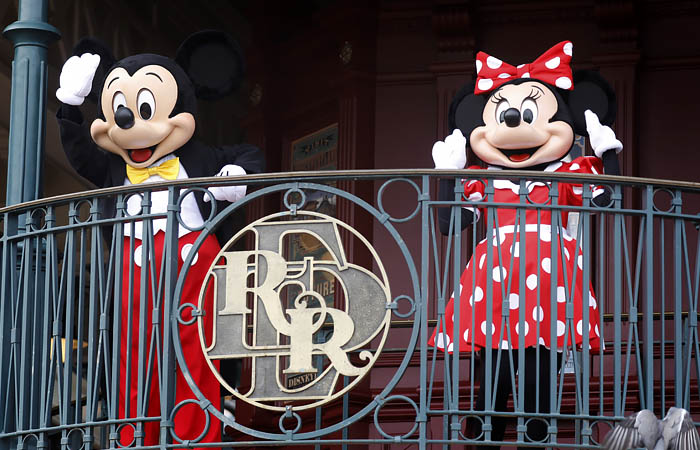
Explore Disneyland Resort
Two parks packed with timeless attractions, unique lands, and exclusive experiences found nowhere else on Earth.
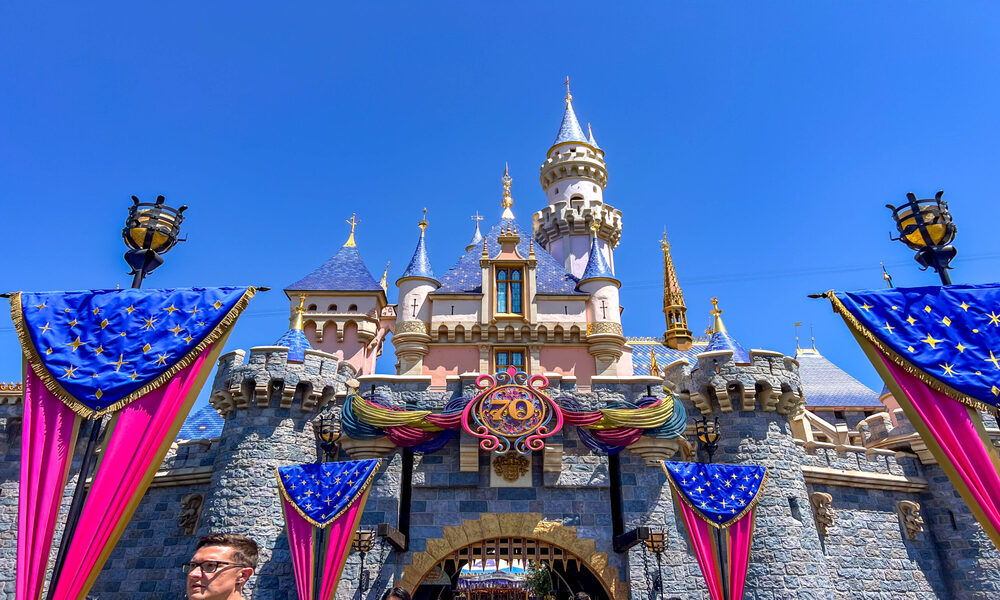
Disneyland Park
The original. Nine themed lands including New Orleans Square and Mickey's Toontown — both exclusive to California. Home to the Matterhorn Bobsleds, a Disneyland-only coaster that debuted in 1959.
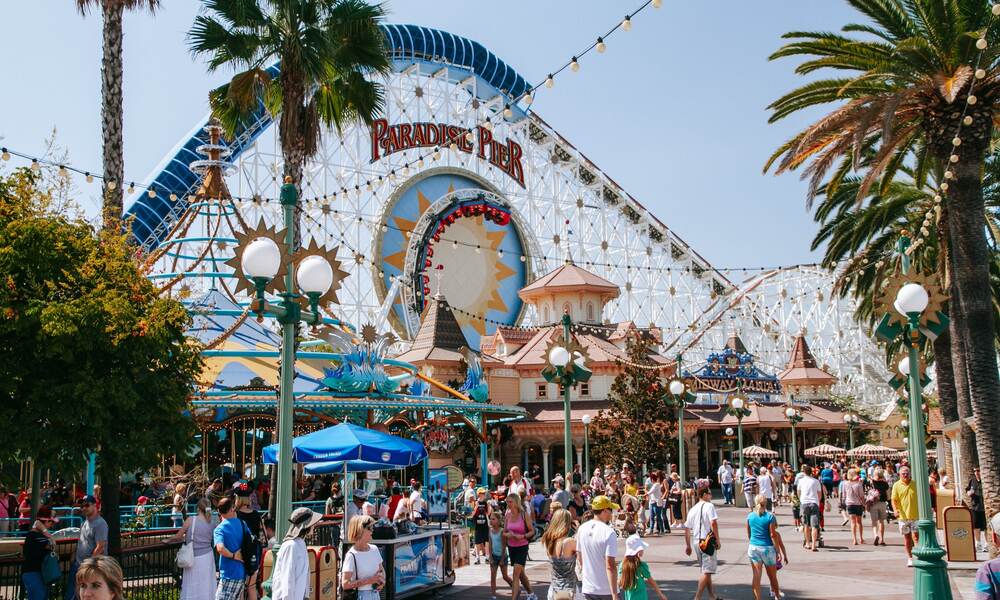
Disney California Adventure
A love letter to the Golden State. Home to Cars Land — the stunning Radiator Springs recreation — and the incredible Avengers Campus with its Spider-Man and Guardians of the Galaxy rides.
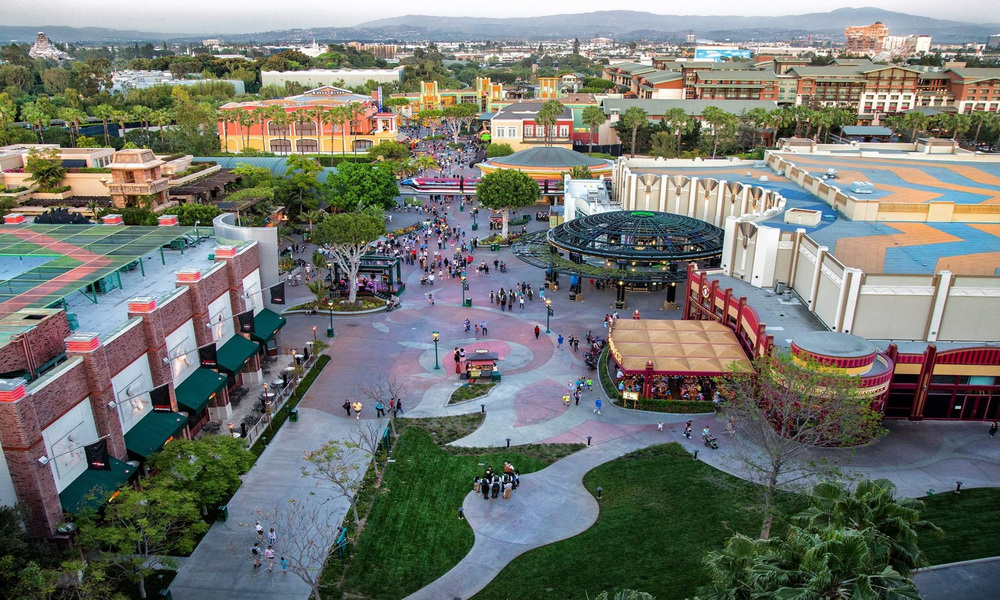
Downtown Disney District
An open-air dining and shopping promenade connecting the two parks. No ticket required. Home to the Grand Californian Hotel, Jazz Kitchen, and the Disneyland Monorail station.
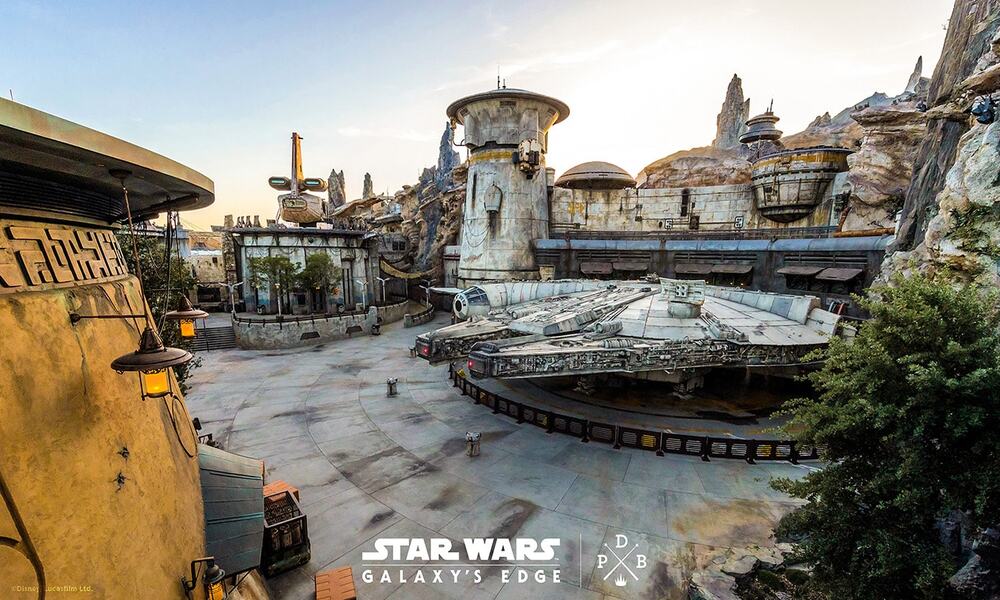
Star Wars: Galaxy's Edge
Identical in scale to the Florida version but typically less crowded. Rise of the Resistance and Millennium Falcon: Smugglers Run anchor this immersive land. Oga's Cantina takes walk-ins more often than in Florida.
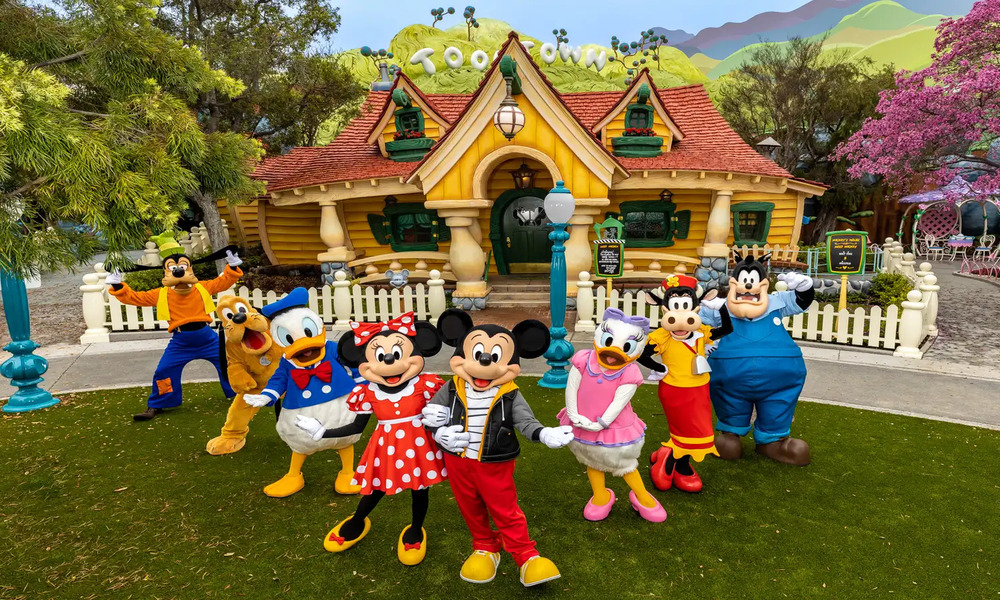
Mickey's Toontown
Reimagined in 2023, this colorful land is designed for young families with soft play areas, interactive fountains, and Mickey & Minnie's Runaway Railway — a trackless dark ride that is pure joy.
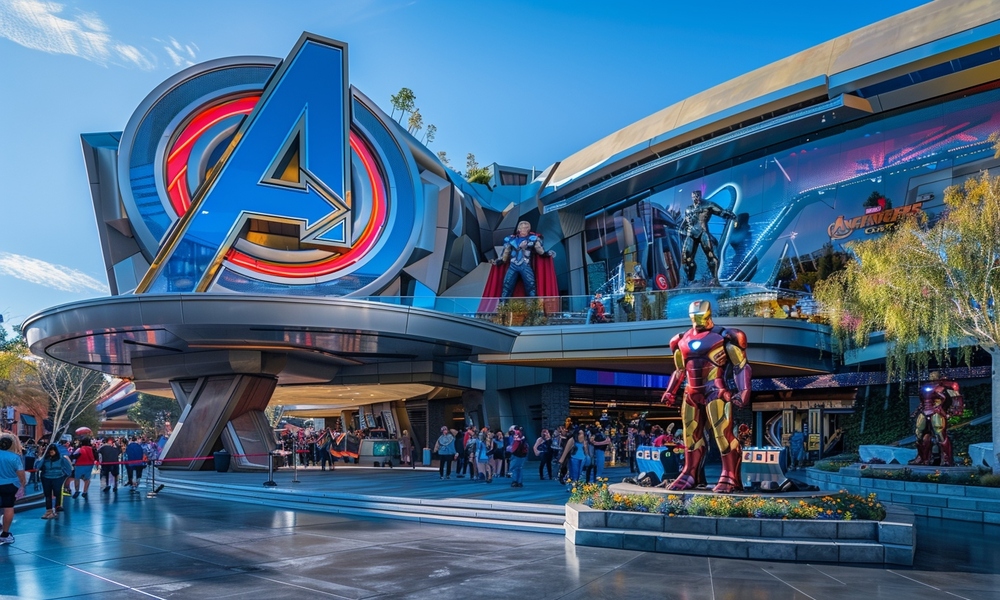
Avengers Campus
Spider-Man WEB SLINGERS lets you sling webs with your bare hands. Guardians of the Galaxy — Mission: BREAKOUT! is a thrilling drop tower with a killer classic rock soundtrack.
Disneyland Strategy: Genie+, Park Hopping, and Pro Tips
Disneyland operates differently from Walt Disney World — and those differences work in your favor. The smaller footprint means less walking, less transportation logistics, and more time on rides. Park hopping is genuinely practical here. You can ride Pirates of the Caribbean in Disneyland Park and be on Incredicoaster at California Adventure five minutes later.
The compact layout fundamentally changes how you experience a Disney vacation. At Walt Disney World, traveling between parks requires buses, monorails, boats, or Skyliner gondolas — easily consuming 45 minutes to an hour. At Disneyland, you walk across a plaza. This makes dining reservations across both parks feasible. You can catch a show in one park, hop to the other for a ride with a short wait, then return for fireworks. Families with young children find the scale less exhausting. Grandparents who struggle with Florida’s vast distances thrive at Disneyland.
Genie+ works similarly to Florida, with one major advantage: it includes unlimited PhotoPass downloads from day one. At $25–$30 per person per day, it is typically cheaper than the Florida version. Individual Lightning Lanes apply to Rise of the Resistance and Radiator Springs Racers — both worth purchasing if standby lines are long. The app is essential for mobile food ordering, wait times, and virtual queues for select attractions.
Understanding the Genie+ strategy maximizes value. Purchase it for your most crowded park day — typically Saturday, Monday, or during holiday periods. Book your first Lightning Lane selection at 7:00 AM, choosing a headliner attraction for mid-morning. As soon as you tap into that attraction (or two hours after booking, whichever comes first), immediately book your next selection. Stack reservations strategically, prioritizing attractions with historically long standby waits: Haunted Mansion, Big Thunder Mountain Railroad, Guardians of the Galaxy – Mission: BREAKOUT!, and Incredicoaster. The system allows booking across both parks, so if Disneyland Park is slammed, book California Adventure attractions and physically hop over.
Arrive 30 minutes before official opening. The security checkpoint and Main Street open earlier than the rides, and being first in line for a headliner saves more time than any other single decision. Start with Rise of the Resistance or Space Mountain in Disneyland Park, or Radiator Springs Racers in California Adventure. Midday crowds peak between 11 AM and 4 PM — this is the best time for shows, lunch, and lower-demand attractions.
Rope drop strategy differs slightly between parks. At Disneyland Park, position yourself at the central hub facing Sleeping Beauty Castle. Cast members open ropes simultaneously for different lands, and guests sprint toward their chosen attraction. Fantasyland and Tomorrowland typically see the biggest rushes. If Rise of the Resistance is your priority, head immediately to the far left of the castle and speed-walk (do not run — it is prohibited) toward Galaxy’s Edge. At California Adventure, guests funnel through a single entrance on Buena Vista Street. Position yourself toward the left side for faster access to Cars Land and Avengers Campus.
One Disneyland-specific tip: the Disneyland Railroad is a legitimate transportation option as well as a nostalgic ride. It has stations at Main Street, New Orleans Square, Mickey’s Toontown, and Tomorrowland — a scenic, relaxing way to cross the park when little legs get tired. The Monorail also connects Tomorrowland to Downtown Disney and is a great exit strategy at the end of a long day.
The railroad deserves special mention as a historical treasure. These are authentic narrow-gauge steam locomotives, with some components dating to the park’s opening. The Grand Canyon and Primeval World dioramas between Tomorrowland and Main Street feature dinosaur Audio-Animatronics from the 1964 World’s Fair. The New Orleans Square station offers the most convenient mid-park access, depositing guests directly adjacent to Pirates of the Caribbean and Haunted Mansion. During peak afternoon heat, the 18-minute journey provides air-conditioned relief and surprisingly short waits — most guests overlook it as mere transportation.
Additional insider strategies: utilize Mobile Dine Walk-Up if restaurants show no availability — many locations release same-day reservations throughout the day. Check the Disneyland app every hour. For character meet-and-greets, the app lists locations and approximate appearance times, but characters often appear in queues with minimal waits immediately after park opening. The Baby Care Centers in both parks offer private nursing rooms, complimentary diapers, microwaves, and high chairs — invaluable for families with infants. Rider Switch allows one adult to wait with a non-riding child while others experience the attraction, then swap without re-queuing.
The Definitive Disneyland Bucket List
Pirates of the Caribbean: The Disneyland original is longer, darker, and more atmospheric than the Magic Kingdom version. Two drops instead of one, a haunting bayou opening, and a cavern sequence that feels genuinely eerie. This is the definitive Pirates experience — worth the trip to Anaheim by itself.
The 16-minute journey begins in the Blue Bayou — that eternally twilight Louisiana evening where diners at the adjacent restaurant appear as flickering candlelight across the water. You drift past fireflies and a fisherman’s shack, then plunge down two waterfalls into a grotto filled with talking skull-and-crossbones projections warning of cursed treasure ahead. The skeleton ship battle scene features cannon fire effects that produce heat you can feel. The jail scene includes a dog holding the keys, with prisoners trying to coax him closer. The auction scene now features the famous redhead as a pirate captain selling looted goods. Every scene teems with details: chickens, pigs, drunken pigs, hairy legs dangling from a bridge. The musical score swells and fades naturally, unlike the more compressed Magic Kingdom soundtrack.
This attraction launched a film franchise, but the ride existed first. Imagineers spent years perfecting the Audio-Animatronics technology. Walt Disney insisted the figures needed to be believable, leading to innovations in pneumatics and fluid movement that defined the industry. The 1967 opening set a new standard for dark rides. Riding it today, the craftsmanship remains evident — from the hand-painted town facades to the ambient sounds of distant sword fights. Lines move steadily; waits rarely exceed 45 minutes even on busy days. Evening rides offer the most atmospheric experience as exterior daylight stops bleeding into interior scenes.
Indiana Jones Adventure: A groundbreaking enhanced motion vehicle dark ride exclusive to Disneyland. Bumpy, thrilling, and packed with elaborate practical effects, it plunges riders into a forbidden temple filled with snakes, skeletons, and a massive rolling boulder. There is nothing quite like it in Florida.
This 1995 landmark attraction occupies a massive show building disguised as an archaeological dig site in Adventureland. The queue itself is an attraction — a meticulously detailed temple ruins where you decode hieroglyphics, trigger booby traps, and watch a rope bridge sway overhead. The preshow film features Sallah from the films explaining the three cursed treasures. Each 12-passenger military troop transport follows one of three randomized paths through the temple, encountering different room sequences. The vehicles lurch, twist, and simulate rough terrain with incredible realism. You narrowly dodge poison darts, face a giant snake striking from the ceiling, and see a massive stone face of Mara come to life, eyes glowing red, demanding your obedience. The climactic boulder chase remains one of Disney’s most impressive practical effects — a 16-foot polyurethane sphere rolling directly at your vehicle before you swerve into a side passage at the last instant.
Technical notes for enthusiasts: the Enhanced Motion Vehicle technology pioneered here uses a 160-millisecond computer feedback loop to synchronize motion with visual and audio cues. The ride system inspired the later development of Tokyo DisneySea’s Journey to the Center of the Earth and Dinosaur at Disney’s Animal Kingdom. Unlike those successors, Indiana Jones remains the most elaborate in storytelling scope and physical sets. Standby waits frequently reach 60–90 minutes; mornings and late evenings offer shorter queues. If the standby line extends outside the temple entrance into the outdoor queue, expect at least an hour wait — but the queue entertainment makes even long waits tolerable.
Radiator Springs Racers: The crown jewel of Cars Land. A high-speed outdoor race through the red rock landscape of Radiator Springs, bookended by a serene dark ride through scenes from the movie. Buy the Individual Lightning Lane or use the Single Rider line — standby waits regularly top 90 minutes.
The $200 million centerpiece of Cars Land recreates the Cadillac Range using 300 tons of sculpted rockwork. The 6-acre attraction combines slow scenic portions with a thrilling 40 mph outdoor race. Riders board six-passenger convertibles that wind through Ornament Valley, greeted by Lightning McQueen and Mater. The vehicle then visits either Luigi’s or Ramone’s for tire changes or a paint job — a charming sequence with personality-filled character encounters. Then comes the race. Two cars pull up side-by-side at the starting line, rev their engines, and launch onto parallel outdoor tracks that bank through turns and plunge through caverns. The side-by-side competition, combined with spectacular desert vistas of the surrounding rockwork glowing in California sunlight, creates an unforgettable experience.
Single Rider is the secret weapon here. The separate entrance typically has waits under 30 minutes even when standby exceeds two hours. You sacrifice riding with your party — groups are split up — but for a second ride or solo travelers, the time savings are massive. Individual Lightning Lane purchases are available through the Disneyland app starting at 7:00 AM on the day of your visit and sell out quickly. If you miss securing one, try refreshing the app throughout the day — cancellations sometimes appear. The attraction reaches peak crowds mid-morning through late afternoon. Arriving at park opening or during World of Color fireworks offers the shortest standby waits.
The Matterhorn Bobsleds: A Disneyland exclusive since 1959. This steel coaster runs through a 147-foot replica of the Swiss Alps, complete with the Abominable Snowman and splashing water. It is bumpy, nostalgic, and pure Disney history.
This was the world’s first tubular steel roller coaster — a revolution in ride design that made modern coasters possible. The mountain structure contains basketball court-sized interior spaces, climbers occasionally scale the exterior (real mountaineers on safety cables), and the peak features a small Tinker Bell staging area used during fireworks shows. Two separate tracks — the Fantasyland side and the Tomorrowland side — feature slightly different layouts. The Tomorrowland track is considered marginally faster with sharper turns.
The ride experience is uniquely Disneyland. You board individual bobsleds, lap bars click down, and the chain lift drags you up through ice caverns glittering with colored lighting. The Abominable Snowman — a ferocious Audio-Animatronic yeti with glowing red eyes — lunges at riders multiple times throughout the journey. The coaster careens through dark sections and outdoor spirals with sudden drops and whipsaw turns. It culminates in a splashdown finale through an alpine pond. The ride is notoriously rough; the tubular steel track has minimal banking, and the hard plastic seats offer little cushioning. Taller riders sometimes find the lap bar uncomfortable. But the roughness is part of its charm — a thrilling, classic coaster that predates modern smoothness standards.
Nostalgia aside, the Matterhorn holds up remarkably well. Evening rides offer the best experience as the mountain’s exterior lighting creates a magical backdrop and the darkness intensifies the interior thrills. Waits hover around 30–45 minutes most days, longer during peak seasons. Both queues offer similar wait times; choose based on which side of the mountain you are nearest.
World of Color: California Adventure’s nighttime spectacular transforms Paradise Bay into a canvas of water, light, lasers, and music. It is arguably Disney’s most technically impressive show. Virtual queue or dining package access is required for prime viewing.
The 28-minute show employs 1,200 fountains shooting water up to 200 feet in the air, projection mapping onto water screens 380 feet wide, lasers, fog effects, and pyrotechnics synchronized to a stirring musical score featuring Disney animation clips. The technology creates moving images on curtains of mist — underwater projectors shoot through submerged nozzles while fountains shape the screens. The effect is mesmerizing. Characters appear to step off the water screens, colors shift and swirl, and the story unfolds through transitions between animated classics: The Lion King, Coco, Moana, Brave, Finding Nemo, and more.
Viewing requires planning. The virtual queue opens periodically through the Disneyland app — instructions appear on the app’s home screen on show days. Free virtual queue spots disappear within minutes. The alternative is booking a World of Color dining package at Wine Country Trattoria, Storytellers Cafe, or Carthay Circle Restaurant. Packages range from $45–$75 per adult and include a three-course meal plus guaranteed viewing in a designated section. The Blue viewing area (included with most dining packages) offers the best sightlines directly in front of the center fountains. Arrive at your designated section 30–45 minutes early to secure front-row positions; seats are first-come within each section.
Bring a poncho if you are in the Wet Zone or front sections — you will get soaked, especially during the Moana segment. The show typically runs twice nightly during peak seasons, once during slower periods. Weather can cancel performances, so if rain threatens, prioritize the earlier showing. For photographers, a fast lens and tripod capture stunning long-exposure images of the fountain effects, but tripods are not permitted during the show itself — bring a monopod or bean bag for camera stabilization.
On-Property Magic and the Best Nearby Hotels
Disneyland operates three on-site hotels: Disney’s Grand Californian Hotel & Spa, Disneyland Hotel, and Disney’s Paradise Pier Hotel (currently being reimagined as Pixar Place Hotel). The Grand Californian is the crown jewel — a majestic Arts and Crafts-style resort with its own private entrance directly into Disney California Adventure. The lobby alone is worth a visit, with its massive stone fireplace and live piano music.
The Grand Californian’s design honors the American Arts and Crafts movement exemplified by architect Greene & Greene. Exposed timber beams, Stickley-style furniture, and Craftsman lighting fixtures fill the public spaces. The Hearthstone Lounge features live entertainment nightly and serves craft cocktails in an atmosphere reminiscent of a national park lodge. The Mandara Spa offers treatments inspired by California’s natural landscape. Napa Rose, the resort’s signature restaurant, ranks among Southern California’s finest dining establishments with an award-winning wine list and seasonal California cuisine. The resort’s private entrance into Disney California Adventure — accessible exclusively to hotel guests — opens into Grizzly Peak near Grizzly River Run. This entrance eliminates morning security lines and positions you perfectly for rope drop at Cars Land or Avengers Campus.
On-property hotels get Early Entry — 30 minutes before the general public — which alternates between the two parks. For Disneyland Park, this is incredibly valuable as the park fills quickly after official opening. The hotels are expensive, typically ranging from $400 to over $1,000 per night. However, the time saved on transportation — all three are within walking distance of the parks — is substantial.
Early Entry is Disneyland’s most underrated perk. During the 30-minute window, only on-property hotel guests are admitted. Crowd levels during Early Entry resemble what regular guests might experience during the final hour before closing — you can walk onto attractions that will have 60-minute waits by noon. Strategy: prioritize the highest-demand attractions first. At Disneyland Park, head straight to Galaxy’s Edge for Rise of the Resistance and Smugglers Run, then hit Space Mountain or Matterhorn before the general public enters. At California Adventure, beeline for Radiator Springs Racers, then Web Slingers or Guardians of the Galaxy. By the time the park opens to everyone, you have already experienced three or four major attractions.
The Disneyland Hotel, the original resort property, reopened in 2023 after a significant renovation. The new design celebrates Disneyland’s history with mid-century modern aesthetics, Mary Blair-inspired artwork, and themed pools representing different lands from the park. The Adventure Tower, Frontier Tower, and Fantasy Tower each feature distinct décor. Goofy’s Kitchen remains the hotel’s most popular dining venue, serving buffet-style meals with character dining. Monorail access from the hotel’s pool area provides a scenic route directly into Tomorrowland.
Disney’s Paradise Pier Hotel — the most affordable on-property option — is undergoing transformation into Pixar Place Hotel, scheduled to complete its reimagining in phases through 2025. The rooftop deck pool offers panoramic views of both parks and fireworks. The hotel sits slightly farther from the park entrances than its siblings — about a 10-minute walk — but the price difference (typically $100–$200 less per night than the Grand Californian) makes it attractive for budget-conscious families who still want Early Entry access.
Disneyland is surrounded by dozens of off-property hotels on South Harbor Boulevard, many closer to the park gates than Disney’s own hotels. The Best Western Plus Park Place Inn, Howard Johnson Anaheim, and Tropicana Inn are all a 5–10 minute walk from the entrance and often cost $150–$300 per night. Check for resort fees — many Harbor Boulevard hotels do not charge them. For a premium off-property option, the JW Marriott Anaheim and Westin Anaheim offer luxury accommodations with rooftop bars and Disneyland views.
Harbor Boulevard hotels provide excellent value. The proximity rivals on-property resorts without the premium pricing or resort fees. The Fairfield Inn Anaheim Resort, Courtyard Anaheim Theme Park Entrance, and Homewood Suites by Hilton Anaheim Resort all sit within a five-minute walk and include complimentary breakfast — a significant savings for families. The breakfast option alone saves $60–$100 daily compared to eating in the parks. These hotels lack the themed immersion and Early Entry access but deliver comfortable, clean rooms with microwaves and refrigerators for storing snacks.
The Good Neighbor Hotels — properties officially recognized by Disneyland — include names like Residence Inn Anaheim Resort Area, Sheraton Park Hotel, and Hilton Anaheim. These properties sometimes offer ticket packages bundled with rooms, though comparing prices separately often yields better deals. Harbor Boulevard features numerous budget motels in the $80–$120 range; quality varies significantly. Read recent reviews carefully. The Alpine Inn and Red Roof PLUS+ Anaheim Resort earn consistent praise for cleanliness and value despite no-frills amenities.
Premium off-property options target visitors seeking luxury without Disney theming. The JW Marriott Anaheim Resort features a rooftop lounge with fire pits and views of Disneyland’s fireworks, a full-service spa, and upscale dining at Parkestry Rooftop Bar. The Westin Anaheim Resort offers similar amenities with a Tangerine Grill rooftop restaurant and direct access to the Anaheim GardenWalk shopping and dining district. These hotels cater to adult groups, couples, and business travelers who want refined accommodations near the parks. Rates range from $250–$500 nightly, positioning them between Disney’s premium properties and Harbor Boulevard value hotels.
For visitors renting cars, properties farther from Harbor Boulevard — such as hotels near the Anaheim Convention Center or near Angel Stadium — offer even lower rates, sometimes under $100 per night. However, parking at Disneyland costs $30–$50 daily, and the walk from remote parking to the gates consumes 15–20 minutes. Factor those costs and time investments into decision-making. For most visitors, staying within walking distance of the parks enhances the experience significantly, allowing midday breaks at the hotel and eliminating transportation stress.
Frequently Asked Questions
How is Disneyland different from Disney World?
Disneyland is smaller, more intimate, and more attraction-dense. The two parks are a 30-second walk apart versus a 15–30 minute bus ride in Florida. Disneyland is Walt’s original park, and many classic rides are longer and more detailed here. Disney World is a massive vacation destination with four parks, two water parks, and dozens of hotels.
How many days do you need at Disneyland?
Three days is ideal — two for Disneyland Park and one for Disney California Adventure. Two days works for a faster-paced visit. Unlike Disney World, one day per park is genuinely enough at Disneyland due to the smaller footprint and higher attraction density.
Is Park Hopper worth it at Disneyland?
Yes, more so than at Disney World. The parks are directly across from each other. You can ride a few attractions in Disneyland Park in the morning, hop to California Adventure for the afternoon, then return for fireworks at night — all with minimal walking.
Does Disneyland have the same rides as Disney World?
Some overlap, but many rides are unique. Disneyland exclusives include Matterhorn Bobsleds, Indiana Jones Adventure, Mr. Toad’s Wild Ride, and the Storybook Land Canal Boats. Shared rides like Pirates and Space Mountain are often longer and considered superior at Disneyland.
When is the best time to visit Disneyland?
Weekdays in late January, early February, late April, and September offer the lightest crowds. Avoid summer Saturdays, Christmas week, and the days around major holidays. The park is popular with locals, so weekends are always busier than weekdays.
Is there a free transportation system like Disney World?
No. The resort is compact enough that everything is walkable. Downtown Disney connects the hotels to the parks. The Monorail runs from Downtown Disney to Tomorrowland but is an attraction as much as transportation. Uber and Lyft are plentiful in Anaheim if you are staying further away.