
Aquatica Water Parks: The Complete Guide to SeaWorld's Splash-Filled Paradise
Everything you need to know about Aquatica Orlando and Aquatica San Antonio — thrilling water slides, animal encounters, sandy beaches, and family-friendly fun.
High-Speed Water Slides
From the trapdoor drop of Ihu's Breakaway Falls to the high-speed racing slides — thrills for all levels.
Unique Animal Encounters
Dolphin Plunge slides through a clear tube surrounded by dolphins. Walk-through aviaries and touch pools throughout.
Sandy Beaches & Cabanas
White sand beaches, shaded loungers, and private cabanas with server service for a resort-style experience.
Dedicated Kids' Zones
Walkabout Waters and Kata's Kookaburra Cove offer pint-sized slides, splash pads, and zero-depth entry for toddlers.
Multi-Park Value
Combo tickets and annual passes that include SeaWorld, Busch Gardens, and both Aquatica parks for year-round value.
- Family Appeal: 9/10
- Thrill Factor: 8/10
- Animal Encounters: 9/10
- Value for Money: 8/10
- Locations: Orlando, Florida and San Antonio, Texas
- Opened: Orlando in 2008, San Antonio in 2012
- Season: Year-round in Orlando, seasonal in San Antonio (typically March–October)
- Price Range: $50–$80 per person (online discounts and combo passes available)
- Best For: Families, animal lovers, thrill-seekers
- Highlight: Dolphin Plunge — slide through a clear acrylic tube while dolphins swim alongside you
SeaWorld's Water Park — Where Slides Meet the Sea
Aquatica is SeaWorld’s answer to the water park experience — and it brings something no other water park chain can offer: animals. Owned and operated by United Parks & Resorts, Aquatica blends the thrill of world-class water slides with up-close animal encounters in a way that feels natural, not gimmicky. Across two locations in Orlando, Florida, and San Antonio, Texas, Aquatica delivers a colorful, energetic, and surprisingly relaxing water park day.
The parks are designed with a South Seas island theme — bright colors, tropical landscaping, and sandy beaches surround the attractions. Every corner of the park evokes a tropical paradise, with lush palms, vibrant flowers, and carefully curated landscaping that creates distinct zones throughout the property. The white sand beaches aren’t just decorative — they’re functional relaxation zones where families spread out towels, build sandcastles, and soak up the sun between attractions. The theming extends to the music, signage, and even the staff uniforms, all reinforcing the island getaway atmosphere. Unlike some water parks that feel like concrete slabs with slides bolted on, Aquatica invests heavily in creating an environment that feels immersive and vacation-worthy from the moment you enter.
The signature experience at both parks is Dolphin Plunge, a pair of enclosed body slides that send riders through a clear acrylic tube passing directly through a dolphin pool. Commerson’s dolphins — small, black-and-white, and endlessly playful — swim alongside the tube as you rocket past at speed. These dolphins, native to the coastal waters of South America, are among the smallest dolphin species and are known for their distinctive tuxedo-like coloring and acrobatic behavior. The pool housing them is spacious and designed to mimic their natural habitat, with varying depths, underwater features, and enrichment elements that keep the animals active and engaged. Watching them interact with the slide tubes has become a favorite activity for the dolphins themselves — they often approach the tubes when riders go through, seemingly as curious about the humans as the humans are about them.
Beyond the animal encounters, Aquatica’s slide lineup is genuinely strong. Ihu’s Breakaway Falls is a trapdoor drop tower with multiple slides, including one of the steepest free-fall drops in any water park. The tower stands as one of the park’s most visible landmarks, and the anticipation builds as riders climb the outdoor staircase to the launch capsules. Each capsule features a clear door so onlookers below can watch as riders await their fate, adding a performative element to the experience. The floor drop is sudden and unforgiving — there’s no countdown, just a random release that keeps riders on edge. The vertical section is brief but intense, quickly transitioning into a curved slide that decelerates riders before the final splashdown.
Roa’s Rapids is a high-speed lazy river — not a gentle float, but a whitewater experience with rushing currents. The channel winds through caves, under waterfalls, and past rock formations that create turbulence and unpredictable surges. The current speed varies dramatically throughout the course, with calm pools suddenly accelerating into fast-moving channels that push riders into walls and around tight corners. Life vests are mandatory, and for good reason — the current is strong enough to challenge even confident swimmers. It’s one of the few lazy rivers that genuinely delivers excitement, and repeat riders often strategize about the best body positions to maximize speed or avoid collisions.
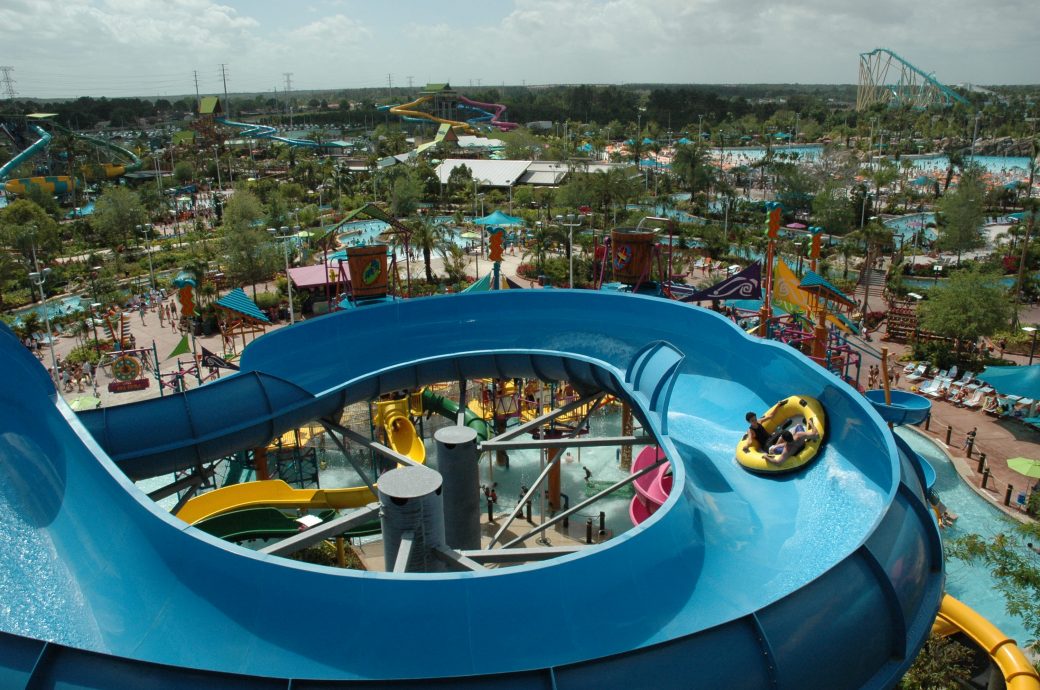
Ray Rush is a family raft ride that combines a water jet launch, giant spheres, and a dramatic splashdown. The ride begins with the raft loaded onto a conveyor that positions it for the water jet launch — a powerful uphill blast that propels the raft up an incline and into the first sphere. Inside the sphere, the raft spins and oscillates, with riders experiencing moments of weightlessness before dropping into a second sphere and then into the final slide section. The entire experience is smooth, exhilarating, and designed to be enjoyable for a wide age range. The rafts accommodate up to four riders, making it ideal for families or groups who want to share the experience together.
Both parks offer a mix of thrill slides, family rides, dedicated children’s areas, and ample lounging space. The wave pools at both locations generate consistent surf-like waves on a timed schedule, with calm periods in between that allow swimmers to relax in the water without getting tossed around. Multiple beach areas with gradual entries make the wave pools accessible for younger children and less confident swimmers. The children’s areas are thoughtfully designed with age-appropriate slides, splash zones, and interactive water features that keep kids entertained for hours. Shaded seating surrounds every major attraction, and the parks provide ample free lounge chairs, though they fill up quickly on busy days. Aquatica is not as large or immersive as Volcano Bay or Typhoon Lagoon, but it carves out its own identity with the animal encounters and a more relaxed, less crowded atmosphere.
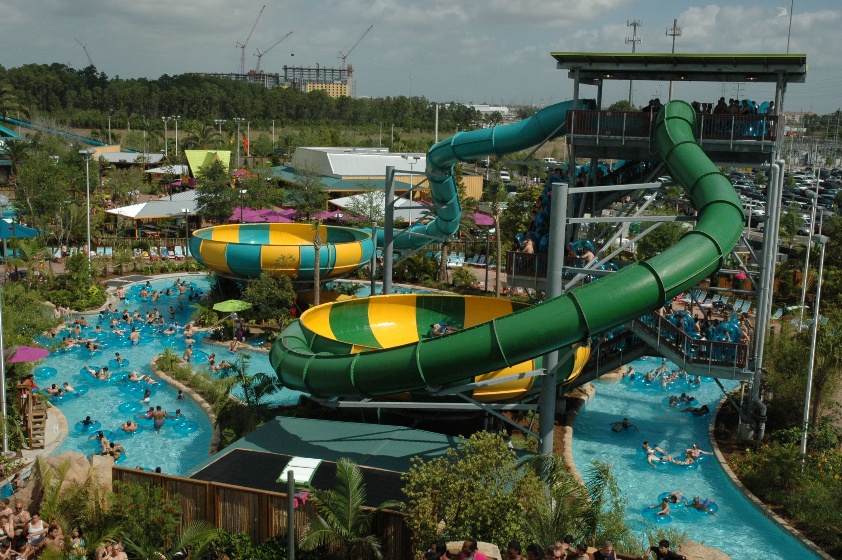
Explore Aquatica Parks
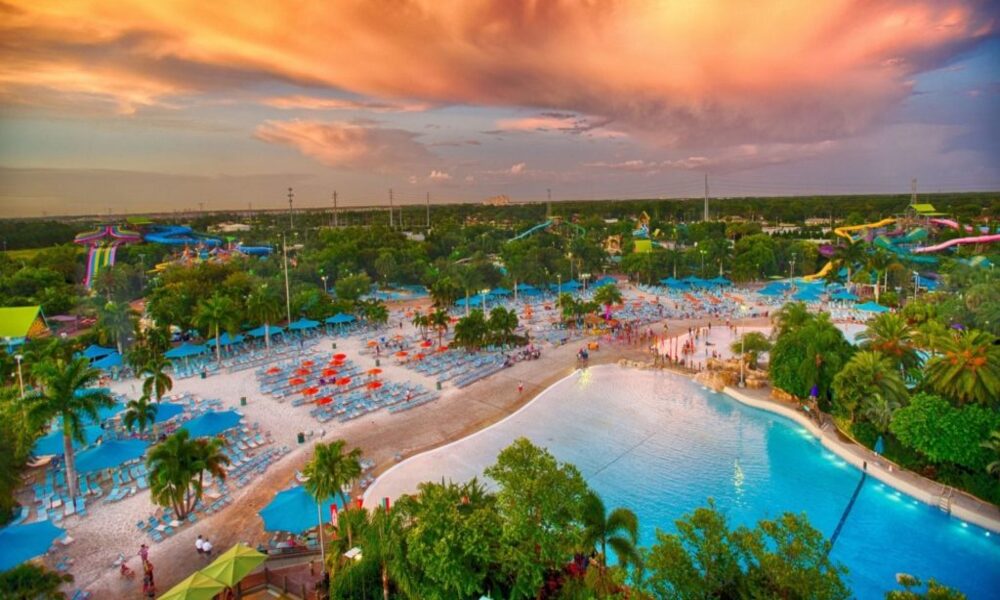
Aquatica Orlando
The original Aquatica, located across the street from SeaWorld Orlando. Features Dolphin Plunge, Ihu's Breakaway Falls, Roa's Rapids, and Ray Rush. Lush tropical landscaping with sandy beaches, two wave pools, and a dedicated children's area. Year-round operation.
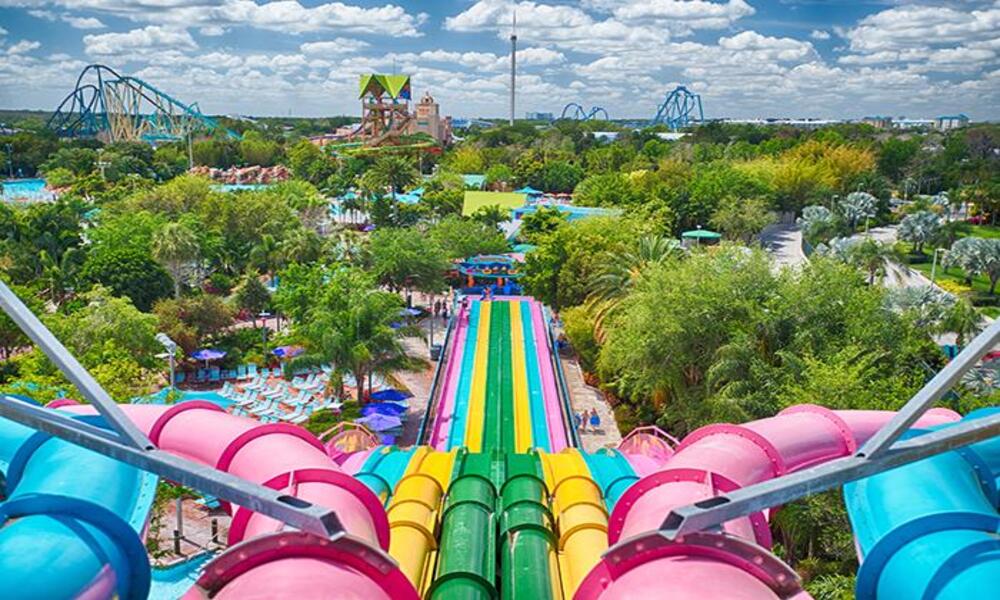
Aquatica San Antonio
Located adjacent to SeaWorld San Antonio in the Texas Hill Country. Shares many signature attractions with Orlando, including Dolphin Plunge and a high-speed lazy river. Features unique Texas-themed elements and seasonal operation with extended summer hours.
Aquatica Strategy: Quick Queue, Cabanas, and Pro Tips
Aquatica is generally less crowded than the mega-parks, but it still draws significant crowds on summer weekends and during school holidays. The park is compact and walkable, and most visitors can experience all major slides in a single day. The layout is intuitive, with clear sightlines to major attractions and well-marked pathways connecting different zones. First-time visitors can orient themselves quickly, and the relatively small footprint means less walking and more riding compared to sprawling mega-parks.
Quick Queue is Aquatica’s line-skip system. Unlike the pricier systems at Disney and Universal, Aquatica’s Quick Queue is typically affordable — often $20 to $40 per person — and provides priority access on major slides. The pricing fluctuates based on projected attendance, with higher prices on peak days and discounts during slower periods. Quick Queue is sold as both a one-time use per attraction and an unlimited version. Quick Queue Unlimited allows re-rides and is worth the upgrade on peak days. Dolphin Plunge and Ihu’s Breakaway Falls are the top priority selections, as these consistently have the longest waits. The system works smoothly — Quick Queue entrances are clearly marked, and ride attendants efficiently manage the merge points to keep both queues moving.
Cabanas are available at multiple price tiers and are worth the splurge for families. All cabanas include shade, cushioned seating, a locker, towel service, and a dedicated server for food and drinks. The basic cabanas accommodate up to six guests and provide a home base for the day, eliminating the need to guard belongings or search for seating after every ride. Premium cabanas add ceiling fans, a refrigerator stocked with water, and prime locations near the wave pools or lazy river. Some premium options include additional perks like fruit platters, upgraded seating, and extended space. The most exclusive cabanas offer beachfront locations with direct wave pool access and private outdoor showers. Book online in advance — walk-up availability is limited, especially on weekends. Cabana rentals start around $150 and can exceed $400 for premium options, but for families or groups, the cost per person becomes reasonable when divided.
Arrive at opening and head directly to Dolphin Plunge. It is the park’s signature attraction and builds the longest line by midday. The park often opens in phases, with some slides opening slightly after the official park opening time, but Dolphin Plunge is typically operational at opening. Follow it with Ihu’s Breakaway Falls before moving to the family raft rides and the lazy river complex. This strategy ensures you knock out the highest-demand attractions while lines are minimal, leaving the afternoon free for repeat rides, relaxation, and exploring the animal areas at a leisurely pace.
Roa’s Rapids requires a life vest, which is provided free — grab one at the entrance. The current is strong, and it is genuinely thrilling, not a lazy float. The vests are available in multiple sizes, including options for children and larger adults. Staff members at the entrance help guests select the appropriate size and ensure proper fit. The vest stations are well-stocked, but during peak times there can be a brief wait as guests return vests and new batches are sanitized and redistributed.
Aquatica Orlando is open year-round with reduced hours in winter. During the cooler months, the park operates on a limited schedule, often weekends only, with some extended holiday hours. The water is heated in the wave pools and some other attractions, making winter visits more comfortable than you might expect. Orlando winters are mild, with daytime temperatures often reaching the 70s, and the park is significantly less crowded during this season. Aquatica San Antonio operates seasonally from March through October, with the peak season running from Memorial Day through Labor Day. The San Antonio park occasionally extends hours into November for special events, but the main season wraps up when Texas temperatures begin to drop consistently.
Parking is $30 for standard. Preferred parking closer to the entrance costs around $40 to $50 and can save significant walking, especially if you’re arriving with small children or carrying beach gear. The parking lots are well-organized, with clear signage and tram service from distant lots on busy days. Both parks are cashless — bring a card or use mobile payment. The transition to cashless operations has streamlined transactions and reduced wait times at food and merchandise locations, though it can catch unprepared visitors off guard.
Outside food is generally not permitted, but small snacks and water bottles are fine. Security checks bags at the entrance but is reasonable about allowing items like granola bars, baby food, and bottled water. Guests with dietary restrictions or medical needs can bring appropriate food with prior notification. The policy is enforced to encourage on-site dining, but it’s not draconian — families aren’t turned away for bringing a few snacks.
The dining options are solid — the Waterstone Grill in Orlando and the Aquatica Grill in San Antonio serve burgers, salads, and kids’ meals. Both locations offer air-conditioned indoor seating, covered outdoor patios, and quick-service ordering systems that minimize wait times. The menus include vegetarian options, gluten-free selections, and a variety of beverages including alcoholic drinks for adults. Additional food stands throughout the parks serve pizza, chicken tenders, ice cream, and snacks. All-day dining deals are available and can save money for families who plan to eat multiple meals in the park. These deals typically cost $35 to $45 per person and include an entrée, side, and drink at each visit, with a 90-minute wait required between meals. For families planning a full day, the all-day dining option usually pays for itself by the second meal.
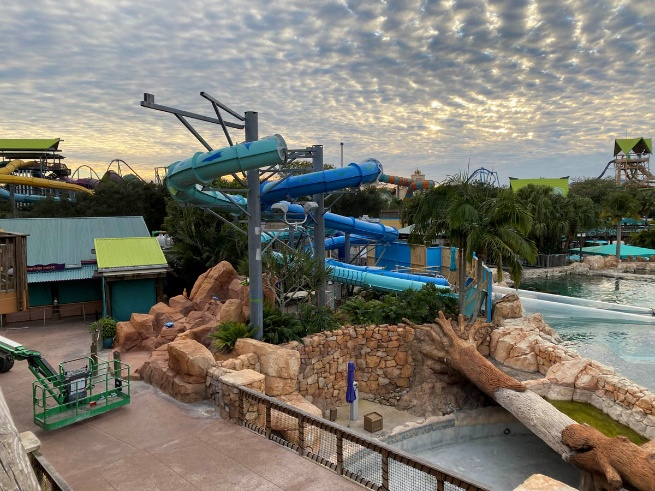
Must-Do Slides and Experiences at Aquatica
Dolphin Plunge is the park’s signature attraction and the reason many visitors choose Aquatica. Two enclosed body slides start from a platform and drop into a high-speed descent through a clear acrylic tube that passes directly through the dolphin pool. Commerson’s dolphins — small, fast, and strikingly patterned in black and white — swim alongside and around the tube as riders rocket past. The slide moves quickly, so the glimpse is brief, but it is a genuinely unique experience. Riders enter the tube at high speed, with just a few seconds of visibility into the dolphin habitat as they pass through. The dolphins, however, seem to anticipate the riders — they often position themselves near the tube, swimming parallel to riders or performing quick loops and dives that create magical eye-to-eye moments. There are two slides side by side, and they are identical — choose whichever line is shorter. Both slides offer the same dolphin viewing opportunity, and both terminate in the same splash pool.
Ihu’s Breakaway Falls is the park’s most intense thrill. A trapdoor drop tower with three different slides, each launching from a capsule that opens beneath the rider’s feet. One slide features a near-vertical free-fall drop. The ride experience begins with the climb — an exposed staircase that offers increasingly dramatic views of the park as you ascend. At the top, riders are directed to one of three capsules, each color-coded and marked with intensity ratings. The capsules are transparent on the front, allowing spectators below to watch as riders step in, cross their arms, and await the drop. An automated voice provides instructions, and then without warning, the floor disappears. The anticipation while waiting for the floor to disappear is the most nerve-wracking part. The ride is brief but intense, with the free-fall section lasting only a couple of seconds before transitioning into a banked curve that gradually slows riders before the splashdown. Height and weight restrictions apply — riders must be at least 48 inches tall, and weight limits are enforced for safety.
Roa’s Rapids is not a lazy river — it is a fast-moving whitewater channel with strong currents and unpredictable wave surges. Riders wear provided life vests and float through a winding course with waterfalls, rapids, and sections where the current accelerates significantly. The experience varies depending on water flow, time of day, and how many riders are in the channel simultaneously. Crowded periods create traffic jams in narrow sections, while quieter times allow riders to experience the full force of the current uninterrupted. It is a workout and a thrill, engaging core muscles as riders navigate and occasionally requiring active swimming to avoid collisions or to escape eddies. For an actual lazy river, Loggerhead Lane offers a gentle float through a tropical landscape. This traditional lazy river winds through shaded grottos, past rocky waterfalls, and alongside animal habitats, providing a calming counterpoint to the intensity of Roa’s Rapids. Loggerhead Lane is perfect for families with young children, for guests seeking relaxation, or for anyone who wants a break from the adrenaline rides.
Ray Rush is a family raft ride that combines three elements into one attraction. A water jet launches the raft uphill, riders spin through a giant open sphere, and the finale drops into a splashdown pool. It accommodates up to four riders per raft and is designed for families to experience together. Loading is efficient, with multiple rafts cycling through simultaneously, which keeps the line moving even during busy periods. The water jet launch is surprising and powerful, creating an initial rush of acceleration that sets the tone for the rest of the ride. The spheres create a disorienting, weightless sensation as the raft spins and tilts in unpredictable directions. It is smooth, fun, and re-rideable, without the intensity that might scare younger children but with enough excitement to satisfy thrill-seekers.
Walkabout Waters is the children’s area at Aquatica Orlando — a massive multi-level water playground with pint-sized slides, spray cannons, rope bridges, and a giant tipping bucket that drenches everyone below. The structure is designed like a treehouse village, with multiple levels connected by ramps, stairs, and climbing nets, all featuring non-slip surfaces. Water features are everywhere — jets shoot from unexpected angles, fountains erupt underfoot, and interactive elements respond to touch or movement. The giant tipping bucket fills slowly and audibly, with a bell that rings just before it dumps hundreds of gallons of water onto the crowd below. It is one of the best kids’ water play areas at any park, with plenty of shade and shallow water throughout. Parents can supervise from surrounding seating areas or join in the fun. Kata’s Kookaburra Cove at Aquatica San Antonio serves the same purpose with a slightly different design, featuring similar interactive water elements, slides, and the signature tipping bucket, but with theming that reflects the park’s specific aesthetic.
Animal Encounters at Aquatica — Beyond the Slides
Aquatica’s connection to SeaWorld is most visible in its animal experiences. The dolphin pool that Dolphin Plunge passes through is also a viewing area where guests can watch the Commerson’s dolphins from above and below the waterline. The viewing area includes underwater windows that provide a gallery-like perspective on the dolphins as they swim, dive, and interact with each other. The above-water viewing deck wraps around a portion of the pool, with railings at child-friendly heights and informational signage that educates visitors about Commerson’s dolphins, their natural habitat, behaviors, and conservation status. The dolphins are active, social, and frequently visible, often approaching the windows or surface to interact with guests. Educators are often stationed at the viewing area to answer questions and share information about the species, the individual dolphins’ personalities, and SeaWorld’s broader animal care and research programs.
The aviary exhibits at both parks offer walk-through encounters with tropical birds. Brightly colored macaws, toucans, and parrots perch in open-air enclosures where guests can observe them up close. The aviaries are designed to mimic natural rainforest environments, with multilevel perches, natural vegetation, and water features that keep the birds comfortable and stimulated. Guests walk along shaded pathways that wind through the habitat, with benches positioned for extended observation. The birds are accustomed to visitors and often perch on branches within arm’s reach, vocalizing, preening, and displaying natural behaviors. Some birds are curious and will approach guests, though touching is discouraged to protect both the animals and visitors. Staff members are present to supervise, answer questions, and provide educational talks at scheduled times throughout the day.
Touch pools allow guests to interact with stingrays and small sharks under the supervision of staff. The pools are shallow and designed for safe interaction, with the animals gliding smoothly through the water, often approaching guests’ outstretched hands. The stingrays have had their barbs humanely removed, making them safe to touch, and the small sharks are non-aggressive species accustomed to human contact. Staff members provide instructions on proper touch techniques — using two fingers, gentle contact on the animals’ backs, avoiding the head and gills. The animals are accustomed to gentle contact, and the experience is both educational and surprisingly moving, creating connections that foster respect and curiosity about marine life. The touch pools are free with admission and open throughout the day, with periodic closures for feeding and animal care. Hand-washing stations are located adjacent to the pools, and staff ensure all guests wash before and after contact.
For a deeper experience, both parks offer add-on animal encounters. The Aquatica Orlando Animal Ambassador Program lets small groups meet and learn about specific animals, including macaws and small mammals. These sessions are led by experienced educators and trainers who provide in-depth information about animal behavior, training techniques, and conservation. Participants often have the opportunity to feed the animals, observe training demonstrations, and ask detailed questions in a setting more intimate than the general viewing areas. These are premium experiences with additional costs and limited availability, typically requiring advance reservations and commanding prices between $50 and $150 per person depending on the specific encounter. For most visitors, the included animal viewing areas — the dolphins, the aviaries, and the touch pools — provide ample opportunity to connect with wildlife between rides. These experiences differentiate Aquatica from purely mechanical water parks and reinforce the educational mission that runs through all United Parks & Resorts properties.
Frequently Asked Questions
How is Aquatica different from other Orlando water parks?
Aquatica combines water slides with animal encounters. Dolphin Plunge — sliding through a dolphin pool — is unique among water parks. The park is smaller and less crowded than Volcano Bay, with a more relaxed atmosphere and a strong family focus.
Is Aquatica included with SeaWorld tickets?
Not automatically. Combo tickets and annual passes that include both SeaWorld and Aquatica are available. Single-park tickets to SeaWorld do not include Aquatica access. Check the specific ticket or pass terms before purchasing.
How many days do you need at Aquatica?
One full day is sufficient. The park is compact, and even on a busy day, you can experience all major slides with time for the lazy river and wave pool. Arrive at opening and stay until late afternoon for a complete experience.
Are there dolphins really swimming next to the slide?
Yes. Commerson’s dolphins live in a pool that Dolphin Plunge passes through via a clear acrylic tube. The dolphins are visible from inside the slide and from a dedicated viewing area near the attraction. They are not trained to interact with riders — they simply swim in their habitat.
Is Aquatica good for toddlers?
Yes. Walkabout Waters and Kata’s Kookaburra Cove are excellent children’s areas with shallow water, gentle slides, and splash pads. Life vests are available free of charge in multiple sizes. The wave pools have zero-depth entry sections suitable for young children with supervision.