
Knott's Berry Farm: The Complete Guide to California's Original Theme Park
From boysenberry pie to world-class coasters — everything you need to know about Knott's Berry Farm, including rides, seasonal events, dining, and ticket tips.
America's First Theme Park
From a roadside berry stand in the 1920s to a world-famous destination — living history in Ghost Town.
Surprising Thrill Rides
World-class coasters including HangTime, GhostRider, and Xcelerator — a launch to 82 mph in 2.3 seconds.
Legendary Food
Home of the boysenberry. Boysenberry pie, funnel cake, and the famous Mrs. Knott's Chicken Dinner Restaurant.
Seasonal Festivals Year-Round
Knott's Scary Farm, Boysenberry Festival, Merry Farm — every season brings a new reason to visit.
Family-Friendly Atmosphere
Peanuts characters everywhere, Camp Snoopy for little ones, and a relaxed, welcoming vibe.
- Family Appeal: 9/10
- Thrill Rides: 8/10
- Dining Options: 9/10
- Value for Money: 8/10
- Location: Buena Park, California — 10 minutes from Disneyland
- Opened: 1920 as a berry farm — theme park evolved in the 1940s
- Highlight: GhostRider — the longest, fastest, and tallest wooden coaster on the West Coast
- Best For: Families, coaster fans, food lovers, history enthusiasts
- Price Range: $60–$100 per day (deep discounts online)
- Hours: Typically 10:00 AM – 8:00 PM (varies by season)
From Berry Stand to Theme Park Legend
Knott’s Berry Farm is unlike any other theme park in America — because it did not start as one. In the 1920s, Walter and Cordelia Knott sold berries, preserves, and pies from a roadside stand in Buena Park, California. When Cordelia’s fried chicken dinners became so popular that guests waited for hours, Walter built a small Ghost Town to entertain them. That humble collection of buildings — moved from actual abandoned mining towns — became the seed of what is now the most charming and historically rich theme park in the country.
The story begins in 1920, when Walter Knott, a farmer struggling with the sandy Southern California soil, began experimenting with different berry varieties. In 1932, he received a gift that would change everything: Rudolph Boysen, a horticulturist, had created a hybrid berry but abandoned the vines. Walter rescued them, nurtured them back to health, and began cultivating what he named the boysenberry in Rudolph’s honor. These plump, flavorful berries became the foundation of the Knott family business.
Cordelia’s role was equally transformative. In 1934, during the depths of the Great Depression, she began serving fried chicken dinners from her tea room to supplement the family’s berry income. Using her own recipe — crispy, perfectly seasoned, served with biscuits and homemade preserves — the dinners became a phenomenon. Lines stretched along Grand Avenue, and families would wait two, three, even four hours for a table. Walter, ever the creative problem-solver, decided to give them something to do while they waited.
He began collecting authentic buildings from real ghost towns across the American Southwest — structures abandoned when mining operations ceased and towns dried up. A schoolhouse from Kansas, a jail from Arizona, a hotel from the California high desert — each was painstakingly dismantled, transported, and rebuilt in Buena Park. Walter hired craftspeople to demonstrate blacksmithing, leather-working, and other frontier trades. He brought in a real stagecoach and panning-for-gold troughs. Ghost Town opened in 1940, and it was free to enter. It existed purely to entertain restaurant guests.
The transition from entertainment area to theme park was gradual and organic. In 1952, Walter opened the Ghost Town & Calico Railroad, a genuine narrow-gauge steam train that circled the property. In 1960, the Calico Mine Ride debuted — a slow-moving dark ride through elaborately themed caverns filled with animatronic miners and glowing minerals. Attractions kept coming, and in 1968, Knott’s began charging admission for the first time. Disneyland had opened just 10 miles away in 1955, transforming the concept of what a theme park could be, but Knott’s remained fiercely authentic to its roots. This was not fantasy — this was California history, lovingly preserved and shared.
Today, Knott’s Berry Farm balances its deep roots with modern thrills. Ghost Town remains the park’s soul — a lovingly preserved Old West environment with blacksmiths, saloon shows, and hand-painted murals. But just beyond the wooden boardwalks, riders are screaming through inversions on HangTime, the park’s first dive coaster, and rocketing to 82 mph on Xcelerator’s launch track. The contrast between 1880s authenticity and 21st-century coaster technology gives Knott’s a personality that feels entirely its own.
The park is divided into five themed areas: Ghost Town, Fiesta Village (a celebration of California’s Spanish heritage), The Boardwalk (a 1920s beach pier), Camp Snoopy (a six-acre children’s area themed to the Peanuts comic strip), and the Boardwalk. Each area maintains its own distinct personality, yet the transitions flow naturally. You can walk from a saloon gunfight to a modern suspended coaster in under three minutes, and somehow it all makes sense. That seamless blending of old and new, authentic and fantastical, historical and thrilling, is what makes Knott’s Berry Farm so enduringly beloved.
The food alone is a reason to visit. Boysenberries were invented here — a cross between raspberries, blackberries, and loganberries — and they infuse everything from the legendary boysenberry pie to craft beer and barbecue sauce. Mrs. Knott’s Chicken Dinner Restaurant still serves Cordelia’s original recipe, and the wait for a table on weekends rivals any coaster line in the park. The restaurant has served over 20 million chicken dinners since it opened, making it one of the most successful independent restaurants in America. The dining room itself is a sprawling series of rooms filled with antique decorations, quilts, and photographs from the Knott family’s personal collection. Eating there is like dining in a museum dedicated to California’s agricultural past.
Knott’s seasonal events are destination-worthy as well: Knott’s Scary Farm was the first Halloween theme park event ever created and remains one of the best in the world. Launched in 1973 as a small collection of haunted trails, it has evolved into a massive after-hours event featuring world-class haunted mazes, roaming hordes of monsters, and coasters operating in pitch darkness. A visit to Knott’s Berry Farm feels like stepping into a slice of California history — with a roller coaster roaring overhead.
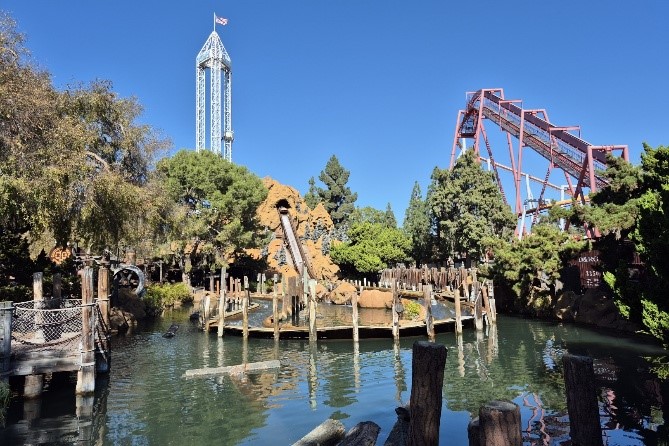
Explore the Lands of Knott's Berry Farm
Four themed areas blend Old West charm, boardwalk energy, and family-friendly Peanuts adventures.
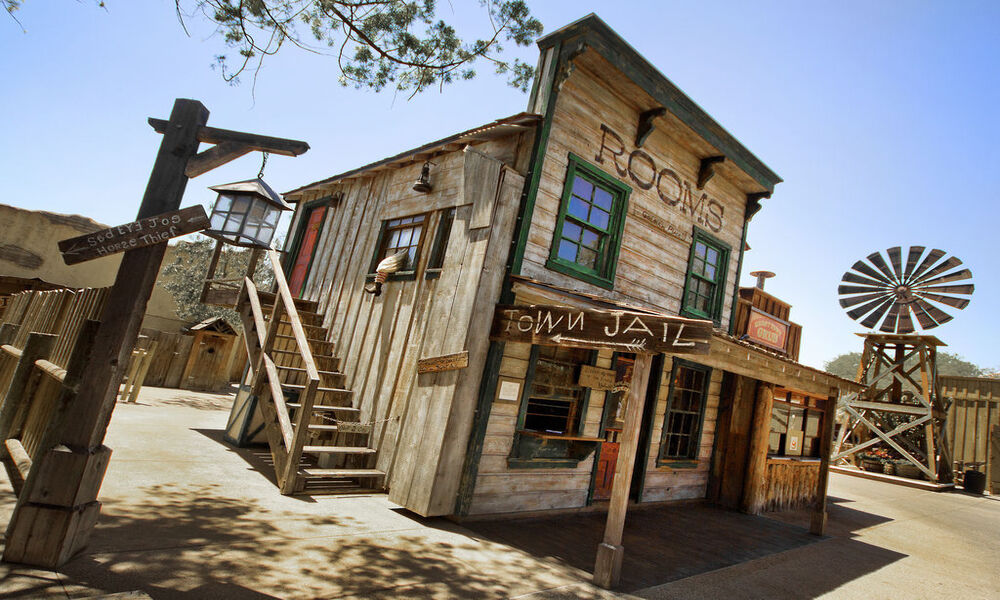
Ghost Town
The heart and soul of Knott's. A genuine Old West town with historical buildings, panning for gold, the famous Ghost Town & Calico Railroad, and the beloved Timber Mountain Log Ride.
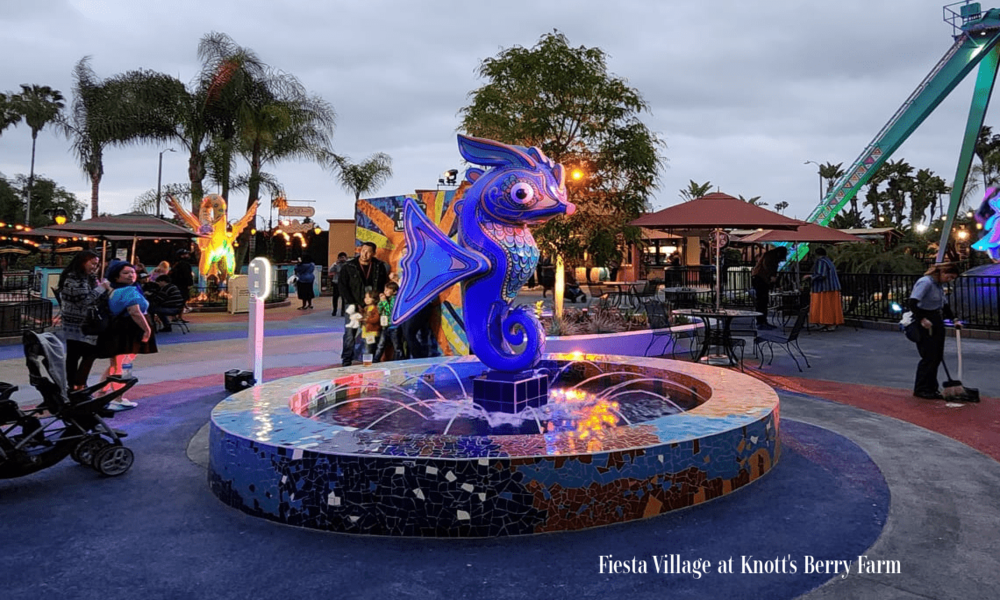
Fiesta Village
A vibrant celebration of Southern California's Hispanic heritage. Bright colors, mariachi music, and the spinning coaster Jaguar! anchor this recently refreshed area.
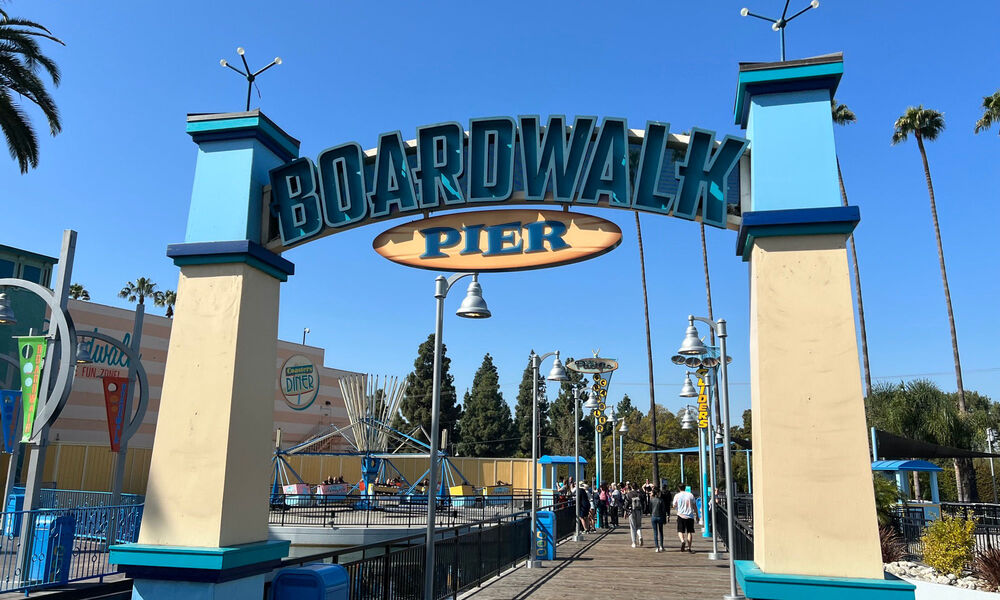
The Boardwalk
A classic beachfront-style zone featuring HangTime — the park's sleek steel dive coaster — and Xcelerator, the pink-and-teal launch coaster that hits 82 mph in seconds.
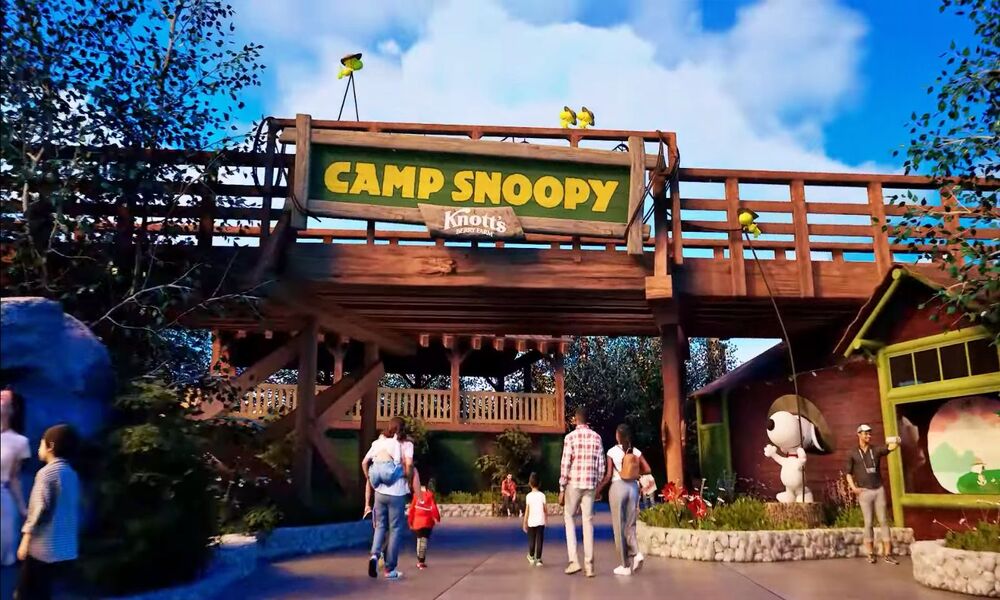
Camp Snoopy
The official Peanuts-themed children's area. High Sierra mountains meet Charlie Brown and friends with gentle rides, pint-sized coasters, and character meet-and-greets for the youngest visitors.
Making the Most of Your Knott's Berry Farm Day
Knott’s Berry Farm is a single-day park for most visitors, and its manageable size makes it a relaxing alternative to the massive resorts nearby. The park covers approximately 57 acres — compact compared to Disneyland’s 85 acres or the sprawling Universal Studios Hollywood. You can walk from one end to the other in less than ten minutes, which means less exhaustion, more time on attractions, and a pace that feels human rather than marathon-like.
The park is open year-round with varying hours — typically 10 AM to 8 PM on weekdays and until 10 PM on weekends and during seasonal events. Summer and Saturdays are busiest, while weekday mornings outside of school breaks are gloriously quiet. Check the official Knott’s calendar before your visit, as hours shift frequently based on season, special events, and day of the week. During Knott’s Scary Farm nights in fall, the park closes early (around 5 PM) to prepare for the evening’s separately ticketed Halloween event, so plan accordingly if visiting during September or October.
Arrive at least 20 minutes before opening. Unlike the mega-parks, Knott’s does not offer a paid line-skip system — everything is standby. That makes the first hour the most important of the day. Gates typically open 10–15 minutes before the official opening time, allowing early guests to walk down Main Street and position themselves near their first attraction. This early entry window is invaluable for beating crowds to the park’s most popular coasters.
Head to GhostRider or Xcelerator first, as both are low-capacity rides that build substantial waits by late morning. GhostRider, despite being a people-eating wooden coaster, can reach 60–90 minute waits by noon on busy days due to its popularity and occasional downtime. Xcelerator’s hydraulic launch system, while thrilling, is also temperamental and prone to temporary closures for maintenance resets. Knock these out early, and you will have conquered the park’s two longest potential waits before most guests finish their first churro.
HangTime and Silver Bullet handle queues more efficiently but are still worth hitting early if you want multiple rides or prefer minimal waits. Silver Bullet, the park’s inverted coaster, typically maintains 20–40 minute waits throughout the day thanks to its efficient B&M loading system. HangTime, being newer and incredibly photogenic, draws consistent crowds but cycles guests relatively quickly.
If you are combining Knott’s with a Disneyland trip, the park is just a 15-minute drive north on Interstate 5. Many families use Knott’s as a lower-key day wedged between intense Disney park days. It works beautifully in that role — the smaller crowds, shorter waits, lower admission price, and more relaxed vibe provide a perfect counterbalance to Disneyland’s intensity. Consider visiting Knott’s mid-week during a longer Southern California vacation. The change of pace is refreshing, and your feet will thank you.
Parking is $25–$30 for standard, with a preferred lot closer to the entrance for an extra fee. The parking lot is flat and relatively small, so even standard parking rarely involves a long walk. Preferred parking cuts maybe three minutes off your walk — convenient but not essential unless mobility is a concern. The park is cashless — bring a card or use mobile payment. This policy, implemented in recent years, speeds up transactions but can catch unprepared visitors off guard. Load up a payment method before arriving.
Do not rush through Ghost Town. The cemetery, the blacksmith shop, the one-room schoolhouse — these details are what make Knott’s special, and many visitors racing to the next coaster miss them entirely. Talk to the craftspeople. Many are genuinely skilled artisans who love sharing their knowledge. The blacksmith will explain how they forge horseshoes and decorative ironwork. The wood carver will show you works in progress. These aren’t actors following scripts — they’re preserving real frontier trades, and their passion is infectious.
Listen to the saloon piano. The Calico Saloon features live ragtime piano and comedy shows throughout the day. The Birdcage Theatre hosts authentic Old West variety performances — comedy skits, can-can dancers, melodramas — that feel like genuine 1880s entertainment. Take the stagecoach. This isn’t a ride vehicle disguised as a stagecoach — it’s a real, historically accurate stagecoach pulled by real horses on a loop around Ghost Town. The experience is gentle, nostalgic, and surprisingly moving. You are walking through a piece of genuine California history, and it deserves a moment of your attention.
Must-Do Rides and Experiences at Knott's
GhostRider: The longest, fastest, and tallest wooden coaster on the West Coast. A complete retracking in 2016 transformed this 4,533-foot monster into one of the smoothest and most aggressive wooden coasters in the country. The first drop twists as it falls, creating a disorienting sensation that immediately signals this is not your average wooden coaster. The mid-course helix delivers crushing lateral forces that pin riders against the side of the train, and the final sequence of bunny hops provides sustained ejector airtime. Ride in the back row for maximum airtime — the negative g-forces over the camelback hills will lift you out of your seat repeatedly. Front row offers visibility and wind-in-your-face intensity. Either way, GhostRider is a world-class wooden coaster that consistently ranks among the best in the world. At night, the experience becomes even more intense, with the structure illuminated and the surrounding Ghost Town disappearing into darkness.
Timber Mountain Log Ride: A Knott’s original since 1969 and one of the best log flumes anywhere. The 2021 refurbishment brought new animatronics, projection mapping, and an expanded show building while preserving the classic charm. Unlike many log rides that are just a few minutes of floating followed by a drop, Timber Mountain is a genuine dark ride with a story. You journey through a mountain sawmill, encountering lumberjacks, forest animals, and a mischievous bear causing chaos. The dark ride portion is long and detailed, with scenes that feel like a gentle Disneyland-style attraction. The final drop is modest by modern standards but the splash is satisfying, and on hot days, riders in the front seat get thoroughly soaked. The queue winds through a beautifully themed mountain facade, and the ride’s classic status makes it a must-do for theme park historians and families alike.
Xcelerator: A hydraulic launch coaster that hits 82 mph in 2.3 seconds, sends riders up a 205-foot top hat, and spirals back down. It was the first Intamin accelerator coaster in North America and remains one of the most intense launches anywhere. Prepare for the acceleration — it hits like a punch to the chest in the best way. The launch track stretches beneath a 1950s-themed hot rod aesthetic, complete with vintage car facades and chrome details. You roll forward into launch position, brakes clamp, the magnetic flywheel spins up with a building whine, and then — explosion. The force is relentless and visceral. The top hat provides a moment of weightlessness at the apex before plunging back down in a spiraling twist. The entire ride lasts under a minute, but that minute is pure adrenaline. Downtime can be common due to the complex hydraulic system, so ride early if possible.
HangTime: The first dive coaster on the West Coast. A vertical lift hill slowly climbs to 150 feet before holding riders suspended over a beyond-vertical drop. The moment of suspension — dangling facedown, staring straight at the ground far below — is both terrifying and exhilarating. The layout features five inversions, including a zero-g stall that hangs riders upside down over the Boardwalk midway, giving spectators below a perfect view of dangling feet and screaming faces. The coaster is smooth, modern, and visually stunning, with bright yellow and purple track that glows under the Boardwalk lights at night. It’s a compact but thrilling addition to Knott’s coaster lineup and appeals to both coaster enthusiasts and casual riders looking for a controlled adrenaline rush.
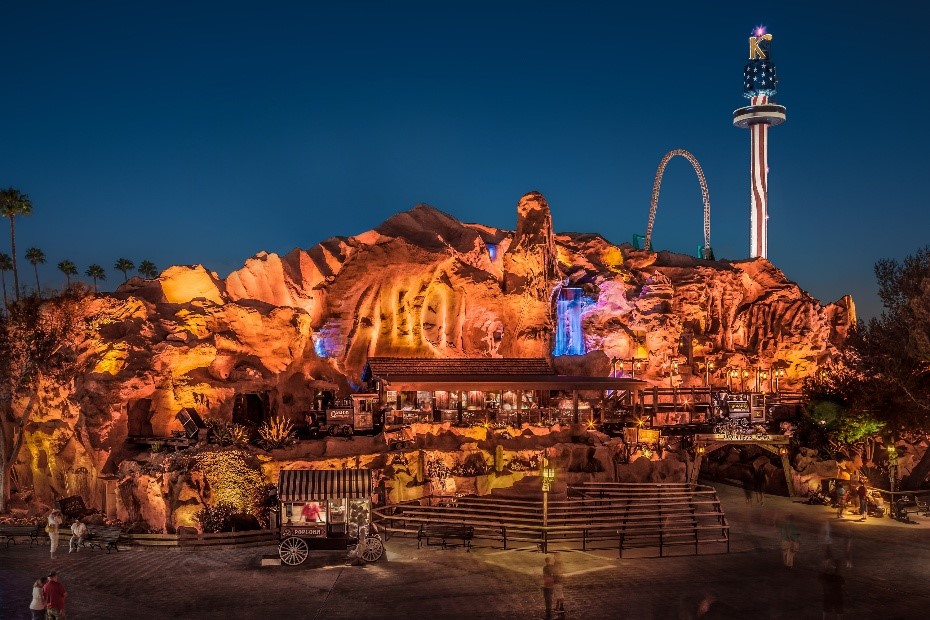
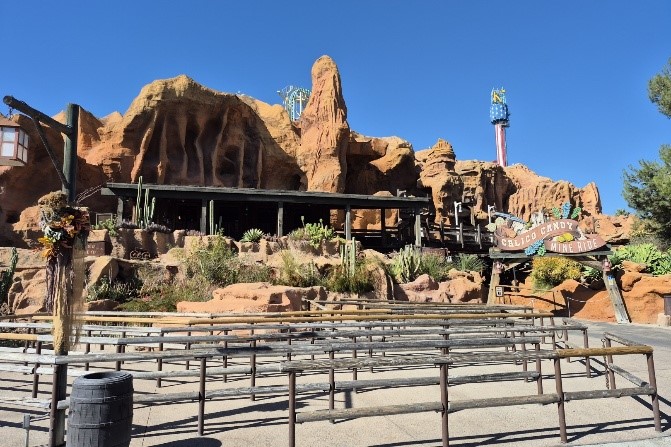
Calico Mine Ride: A classic dark ride from 1960 that predates Disneyland’s Mine Train Through Nature’s Wonderland. Train cars wind through a detailed underground mine with waterfalls, caverns, and animatronic miners. The ride is gentle, atmospheric, and essential Knott’s history. It represents the park’s early commitment to immersive storytelling and high-quality theming at a time when most amusement parks offered little more than carnival rides. The rainbow cavern glows with black-light colors, water cascades down rock walls, and the animatronic figures — while dated by modern standards — retain a handcrafted charm. This is a ride for soaking in details, cooling off on hot days, and appreciating the craftsmanship of a bygone era. Bring young children, grandparents, or anyone who appreciates theme park history. It’s a treasure.
Silver Bullet: Knott’s inverted coaster swoops over and around Ghost Town with six inversions and a layout designed by Bolliger & Mabillard, the gold standard in smooth, high-capacity coasters. The inversions are graceful rather than punishing, and the ride’s interaction with Ghost Town — diving over pathways, skimming rooftops, wrapping around the Calico Railroad — makes it feel integrated into the park rather than dropped on top of it. Ride it at least once, ideally during golden hour when the sun sets over the California hills and the coaster’s silver track gleams.
Boysenberry Everything: Dining and Festivals at Knott's
Knott’s Berry Farm’s food legacy runs deeper than any theme park in America. Mrs. Knott’s Chicken Dinner Restaurant is the anchor — a sprawling sit-down restaurant just outside the park gates serving Cordelia Knott’s original fried chicken recipe, mashed potatoes, and warm boysenberry pie since 1934. The wait can exceed two hours on weekends, and people happily do it. The chicken is excellent, the portions generous, and the history palpable. Each dinner includes farm-fresh vegetables, buttermilk biscuits with boysenberry preserves, creamy chicken gravy, and a choice of soup or salad. The servers are efficient and friendly, many having worked there for decades, and the atmosphere is bustling but never rushed.
The restaurant operates independently from the theme park, meaning you do not need park admission to dine there. It opens for breakfast, lunch, and dinner, and accepts reservations for parties of 12 or more. Walk-ins are welcome, but waits are standard on weekends and holidays. Arrive early or late to minimize wait times. If the wait is long, you can explore the adjacent California Marketplace — a collection of shops selling boysenberry products, preserves, candies, and Knott’s-branded souvenirs. The boysenberry jam alone is worth buying in bulk; it’s made on-site and tastes like bottled nostalgia.
Inside the park, boysenberries appear everywhere. Boysenberry BBQ sauce on ribs. Boysenberry funnel cake with whipped cream. Boysenberry craft beer and wine. The Boysenberry Festival (spring) is Knott’s best seasonal event — a celebration of food, wine, and live entertainment built around the park’s signature fruit. Dozens of limited-time boysenberry items debut, from savory to sweet, and the park feels alive with purple bunting and themed shows.
The festival typically runs on weekends from late February through early April and is included with regular park admission. Tasting cards are available for purchase, allowing you to sample small portions of specialty boysenberry dishes from kiosks throughout the park. Highlights from past festivals include boysenberry meatballs, boysenberry brisket, boysenberry beignets, boysenberry cheesecake, boysenberry-glazed turkey legs, and boysenberry margaritas. Wine tastings feature boysenberry-infused varietals, and craft beer flights include boysenberry saisons and sours. Cooking demonstrations, live music, and themed entertainment round out the event. If you love food festivals or simply want to experience Knott’s at its most flavorful, plan your visit during Boysenberry Festival.
Beyond boysenberries, Knott’s in-park dining is a step above typical theme park fare. The Ghost Town Grill serves burgers and chicken sandwiches, but they’re well-prepared and flavorful. Fireman’s Brigade BBQ offers smoked meats with tangy sauces. Coasters Diner delivers classic American comfort food with a 1950s aesthetic. For quick bites, funnel cake stands, churro carts, and soft-serve windows dot the midways. Boardwalk Barbecue and Chicken To Go offer takeout versions of popular items if you want to eat on a bench and maximize ride time.
Knott’s Scary Farm (select nights September–October) is the original theme park Halloween event, launched in 1973, and it remains one of the best. This is a separately ticketed, after-hours event with elaborate haunted mazes, scare zones filled with hundreds of monsters, and coasters running in complete darkness. The production value on mazes rivals Universal’s Halloween Horror Nights, and the Ghost Town setting adds an authentic creepiness. It sells out, so buy tickets early.
Scary Farm typically features 8–10 haunted mazes, each with unique themes ranging from classic horror (vampires, werewolves, creepy dolls) to original Knott’s-created nightmares. Mazes are walk-through experiences lasting 5–10 minutes, filled with elaborate sets, live actors, animatronics, and jump scares. The scare zones are open outdoor areas where costumed monsters roam freely, interacting with guests and creating chaos. The atmosphere is intense — this is not a kid-friendly event. Knott’s recommends Scary Farm for ages 13 and up.
Coasters running in the dark add another dimension of terror. GhostRider thundering through pitch-black woods, Silver Bullet swooping invisibly overhead, HangTime holding you upside down with only screams echoing in the void — these experiences are fundamentally different from daytime rides. Lines for mazes can be long; consider purchasing a Fright & Fast Lane pass to skip regular queues. Arrive at opening (typically 7 PM) to maximize your maze count.
Knott’s Merry Farm (November–December) transforms the park with lights, snow in Ghost Town, and a live Christmas Carol production at the Bird Cage Theatre. Peanuts characters appear in holiday outfits, and seasonal treats include peppermint funnel cake and hot buttered rum. It is a warm, nostalgic event that families plan their holidays around.
Merry Farm is included with regular admission and runs on select nights throughout the holiday season. The park is beautifully decorated with thousands of twinkling lights, garlands, and a towering Christmas tree in the center of Ghost Town. Real snow falls on Main Street during scheduled snow times, delighting children and adults alike. The live Christmas Carol musical features talented performers, elaborate costumes, and heartfelt renditions of classic carols. Snoopy’s Merriest Tree Lighting is a nightly ceremony with music, lights, and appearances by the Peanuts gang.
Holiday-themed food includes gingerbread cookies, peppermint hot chocolate, spiced cider, and special dinners at Mrs. Knott’s featuring turkey, stuffing, and cranberry sauce. The event strikes a perfect balance between festive cheer and theme park thrills — you can ride coasters decorated with holiday lights, then warm up with cocoa and caroling. It’s less crowded than Disneyland’s holiday season and feels more intimate and genuine, making it a hidden gem for Southern California families seeking holiday magic without overwhelming crowds.
Frequently Asked Questions
Is Knott's Berry Farm good for young kids?
Absolutely. Camp Snoopy is one of the best children’s areas in any theme park, with rides designed specifically for toddlers through elementary-age kids. The Peanuts characters are everywhere, and the park’s relaxed atmosphere is less overwhelming than larger destinations.
How does Knott's compare to Disneyland?
Knott’s is smaller, less expensive, and less crowded than Disneyland. It does not have the same level of immersive theming or polish, but it has better thrill coasters, superior food, and a more laid-back atmosphere. Many Southern California families prefer Knott’s for casual weekend visits.
Do I need to buy Knott's Scary Farm tickets separately?
Yes. Knott’s Scary Farm is a separately ticketed event not included with regular park admission. Daytime park admission does not grant access to the nighttime Halloween event. Tickets sell out on peak nights — buy early.
Can I eat at Mrs. Knott's without a park ticket?
Yes. The restaurant is located outside the park gates in the California Marketplace area. No ticket is required. The chicken dinner is legendary, and the attached bakery sells whole boysenberry pies to go.
How many days do you need at Knott's Berry Farm?
One full day is sufficient for most visitors. The park is compact, and even on a moderately busy day, you can ride all major coasters and still have time for Ghost Town and a leisurely meal. A two-day visit makes sense only if adding a full water park day at Knott’s Soak City (open seasonally).
Is there a water park at Knott's?
Yes — Knott’s Soak City is a separate water park located adjacent to Knott’s Berry Farm. It operates seasonally from late May through early September. Combo tickets and season passes including both parks are available. Soak City features a wave pool, lazy river, and 23 slides including the Shore Break drop capsule.