
Georgia Aquarium: The Complete Guide to America's Largest Aquarium
Everything you need to know about visiting the Georgia Aquarium in Atlanta — whale sharks, beluga whales, dolphin shows, tickets, and insider tips for an unforgettable underwater experience.
Largest Aquarium in the USA
Home to more than 11 million gallons of water and over 100,000 animals representing 500 species.
Whale Sharks — Nowhere Else in America
The only aquarium in the United States where you can see whale sharks — the largest fish in the ocean.
Dolphin Presentations & Sea Lion Shows
Daily presentations in a 1.8-million-gallon theater with Atlantic bottlenose dolphins and charismatic California sea lions.
Interactive Touch Pools
Touch stingrays, sharks, and sea stars in multiple hands-on exhibits throughout the aquarium.
Conservation & Research
The aquarium funds marine research worldwide and operates a dolphin conservation field station in Florida.
- Marine Life Exhibits: 10/10
- Family Appeal: 9/10
- Wow Factor: 10/10
- Value for Money: 7/10
- Location: Downtown Atlanta, Georgia — near Centennial Olympic Park
- Opened: November 23, 2005
- Hours: Typically 9:00 AM – 6:00 PM (varies by day and season)
- Admission: Adults $45–$55, Children $35–$45 (online discounts available)
- Best For: Families, couples, marine life enthusiasts, Atlanta visitors
- Highlight: Ocean Voyager — a 6.3-million-gallon exhibit with whale sharks, manta rays, and thousands of fish behind a 23-foot-tall viewing window
An Ocean in the Heart of Atlanta
The Georgia Aquarium opened in downtown Atlanta in 2005 with a bold claim: the largest aquarium in the world. At the time, it was. While other aquariums have since surpassed it in total water volume, the Georgia Aquarium remains the largest in the United States and the only aquarium in the Western Hemisphere where visitors can see whale sharks — the largest fish in the ocean. That fact alone makes it a bucket-list destination.
The aquarium’s founding was made possible by a $250 million donation from Home Depot co-founder Bernie Marcus, whose vision was to create an educational institution that would inspire ocean conservation while bringing world-class marine exhibits to the American South. The facility was designed by the architecture and design firm PGAV Destinations, specialists in creating immersive zoological environments, and the construction process involved collaboration with marine biologists, aquarium experts, and animal welfare specialists from around the globe.
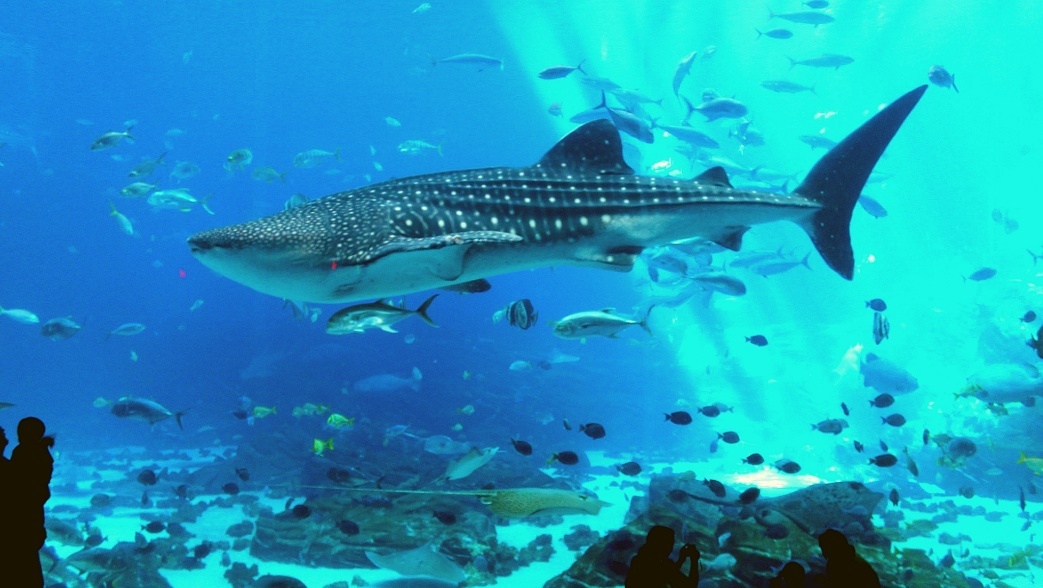
The aquarium holds more than 11 million gallons of water across seven major galleries, each focused on a different marine ecosystem. The centerpiece is Ocean Voyager, a 6.3-million-gallon exhibit built around a 100-foot-long acrylic tunnel and a 23-foot-tall by 61-foot-wide viewing window — one of the largest single aquarium viewing panels on Earth. Four whale sharks glide through the exhibit alongside manta rays, hammerhead sharks, goliath grouper, and thousands of schooling fish. It is a sight that stops visitors in their tracks.
The engineering behind Ocean Voyager required custom manufacturing of the massive acrylic panels, each several inches thick and weighing multiple tons. The exhibit was modeled after the Kuroshio Sea exhibit at Japan’s Okinawa Churaumi Aquarium, and the life support systems filter and recirculate millions of gallons daily, maintaining precise temperature, salinity, and pH levels that replicate the open ocean environment. The water is turned over completely every few hours, and a team of divers enters the exhibit daily for feeding, health checks, and maintenance.
But the Georgia Aquarium is more than one exhibit. Cold Water Quest features beluga whales, sea otters, and African penguins. Tropical Diver is a living coral reef with thousands of colorful fish. The River Scout gallery explores freshwater ecosystems with river otters, piranhas, and an overhead river where fish swim above visitors’ heads. The Dolphin Coast presentation brings Atlantic bottlenose dolphins into a 1.8-million-gallon theater for a show that blends education with entertainment.
Each gallery is designed with careful attention to animal welfare and visitor education. Cold Water Quest recreates the icy habitats of the Arctic and Antarctic with chilled water systems and simulated ice formations. The beluga whales arrived from other accredited facilities as part of managed breeding programs, and their care includes daily enrichment activities, health monitoring, and social interaction. The African penguin colony is part of a Species Survival Plan, a coordinated breeding program aimed at maintaining genetic diversity among captive populations of endangered species.
Tropical Diver features a 164,000-gallon exhibit with living corals grown in the aquarium’s coral propagation lab. The corals are carefully cultivated under specific lighting and water chemistry conditions, and the exhibit represents one of the largest living reef systems in any American aquarium. Hundreds of species of reef fish, invertebrates, and other marine creatures inhabit the exhibit, creating a kaleidoscope of color and movement that mimics the biodiversity of Indo-Pacific coral reefs.
The River Scout gallery brings attention to freshwater ecosystems, often overlooked in marine aquariums. The overhead river feature is a transparent acrylic tube that allows fish to swim above visitors, creating a unique perspective on river habitats. Electric fish, freshwater stingrays, and various piranha species demonstrate the incredible diversity of South American river systems, while Asian river otters showcase the playful intelligence of freshwater mammals.
The aquarium is located in downtown Atlanta within walking distance of Centennial Olympic Park, the World of Coca-Cola, and the Center for Civil and Human Rights. It is a central piece of Atlanta’s tourism core. Owned and operated by a nonprofit foundation, the aquarium funds marine research and conservation projects worldwide. A visit supports ocean science, animal rescue, and habitat protection.
The Georgia Aquarium’s conservation efforts extend far beyond its walls. The organization has committed millions of dollars to field research projects studying whale sharks in the wild, coral reef restoration initiatives, sea turtle rehabilitation programs, and efforts to combat marine debris and plastic pollution. The aquarium’s research team publishes peer-reviewed scientific papers on topics ranging from whale shark biology to the effects of climate change on marine ecosystems. Educational programs reach hundreds of thousands of students annually, and the aquarium’s veterinary team assists with marine animal strandings and rescues along the Atlantic and Gulf coasts.
The facility has also pioneered animal care techniques that have been adopted by aquariums worldwide. The aquarium’s whale sharks were the first of their species to be successfully maintained in a North American aquarium, and the husbandry protocols developed in Atlanta have informed care standards across the industry. Similarly, the beluga breeding program has contributed valuable data on reproduction, calf rearing, and social dynamics in these charismatic Arctic whales.
Today, the zoo houses over 12,000 animals representing more than 650 species, many of which are rare and endangered. Its pioneering open-air, cageless exhibits were revolutionary when introduced and remain a model for modern zoos worldwide. From the misty bamboo forests of Panda Canyon to the sun-baked rocks of Africa Rocks, each habitat is meticulously crafted to mimic the animals’ native environments.
What truly sets the San Diego Zoo apart is its dual commitment to visitor experience and global conservation. The zoo is operated by the nonprofit San Diego Zoo Wildlife Alliance, which funds field projects on six continents. When you visit, you’re not just enjoying a day out — you’re supporting critical work to protect wildlife around the world.
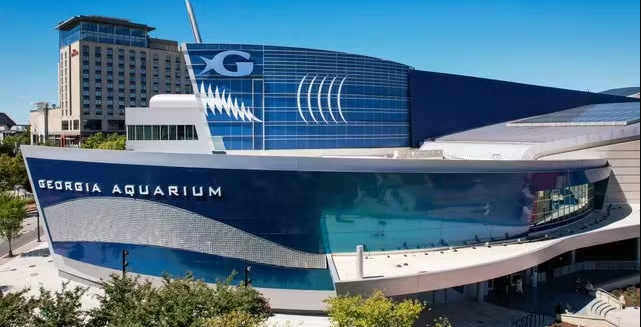
Must-See Exhibits at Georgia Aquarium
Seven major galleries, each focusing on a different aquatic environment — these are the highlights.
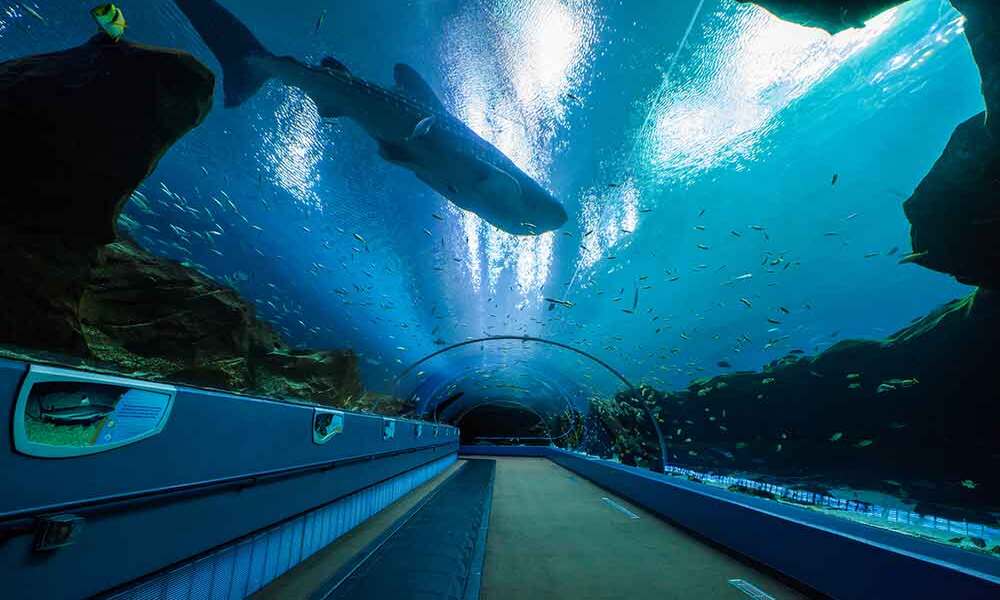
Ocean Voyager
The main event. A 6.3-million-gallon exhibit with four whale sharks, manta rays, and thousands of fish. The 100-foot acrylic tunnel takes you through the center of the exhibit. The massive viewing window at the end is where most visitors spend the most time.
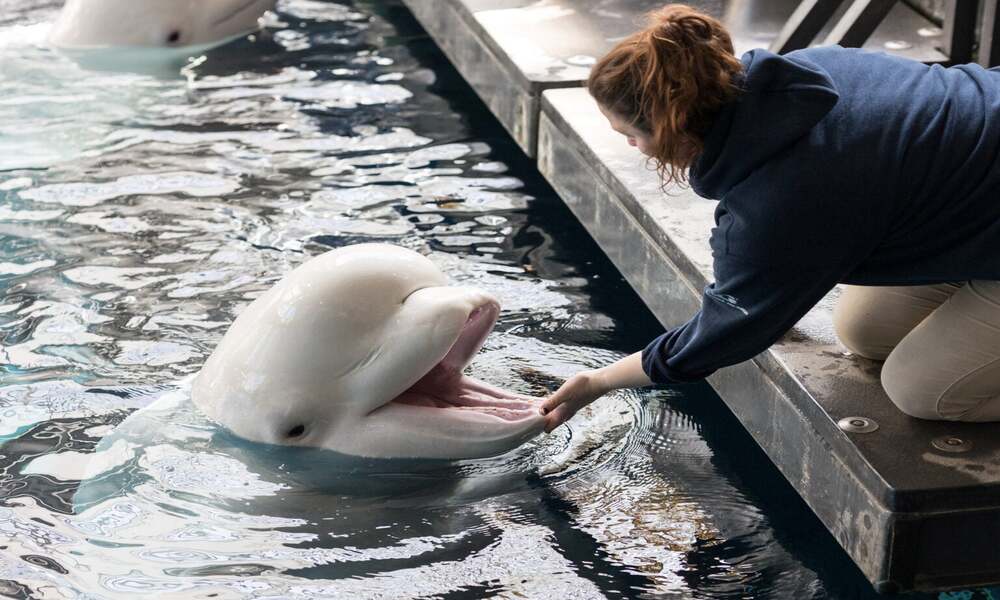
Cold Water Quest
Meet beluga whales, sea otters, African penguins, and the giant Pacific octopus. The beluga exhibit includes an underwater viewing area where these white whales swim gracefully past the glass.
Tropical Diver
A living Indo-Pacific coral reef with clownfish, jellyfish, seahorses, and thousands of colorful fish. The jellyfish gallery with its backlit displays is one of the most photographed areas.
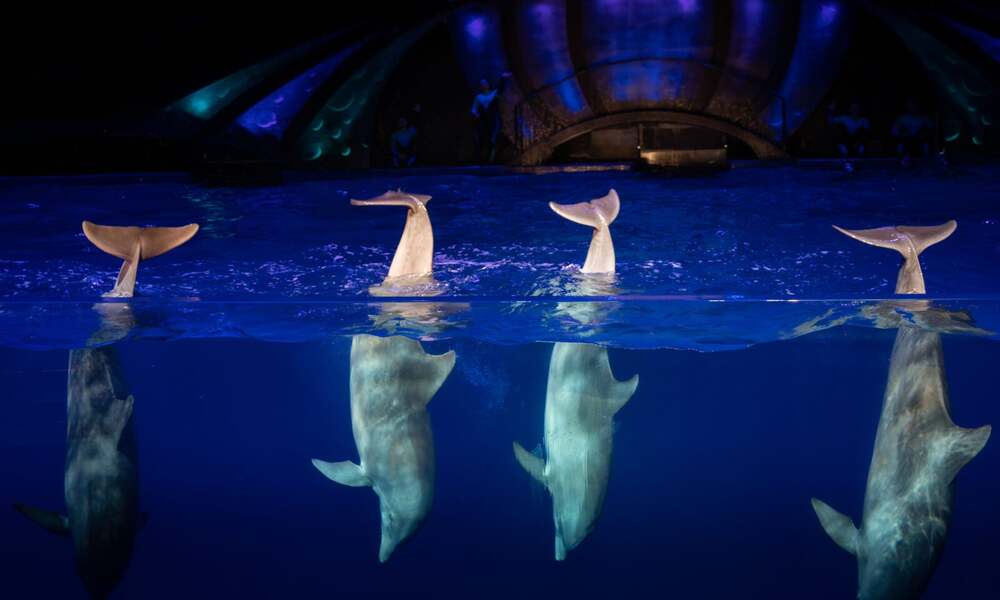
Dolphin Coast
A 1.8-million-gallon theater hosting daily dolphin presentations. Atlantic bottlenose dolphins perform alongside trainers in a show that emphasizes natural behaviors, conservation, and the dolphin-human bond.
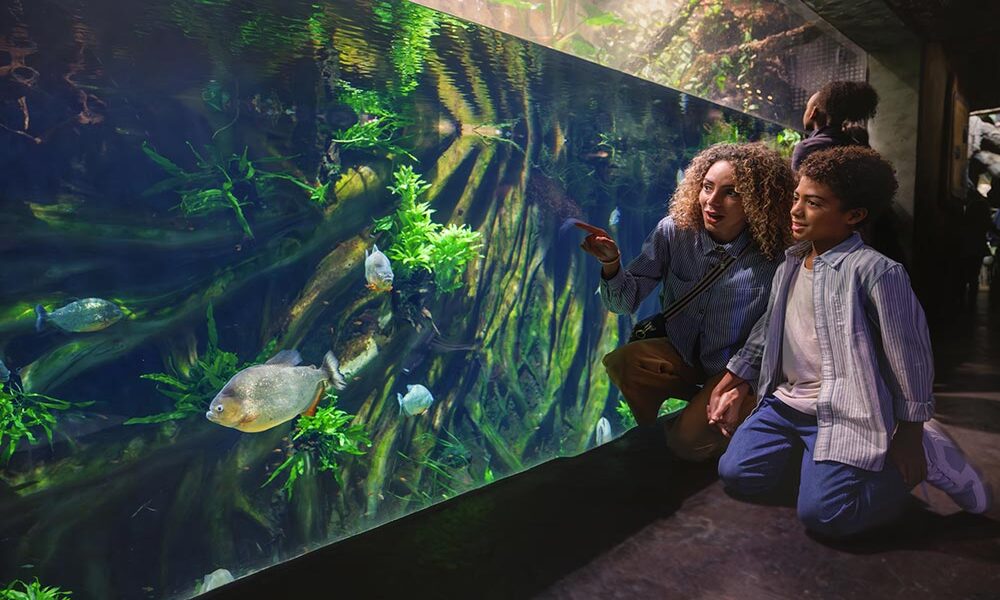
River Scout
An exploration of freshwater ecosystems worldwide. River otters, piranhas, electric eels, and an overhead river where fish swim above visitors. Great for younger children.
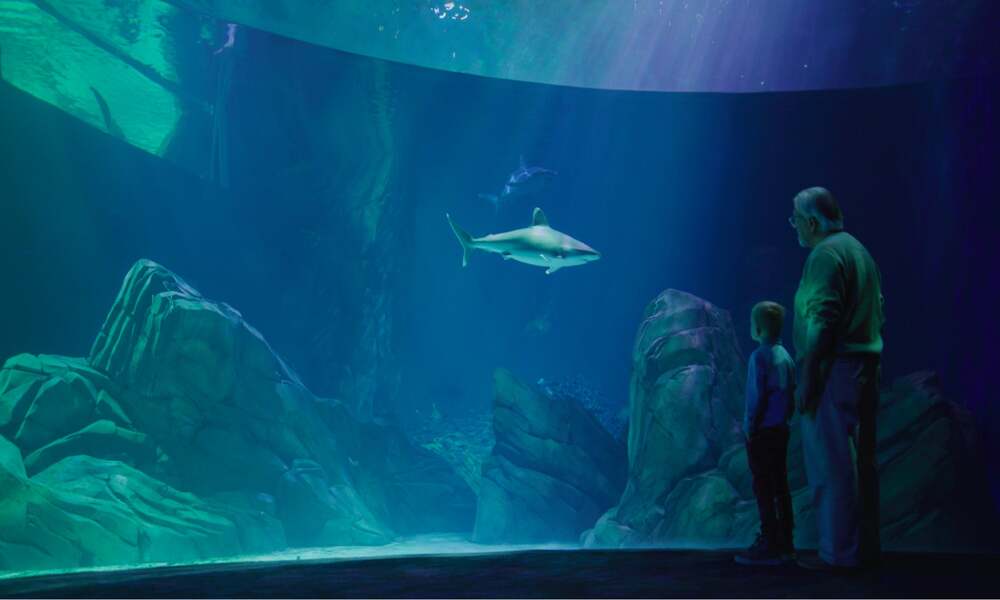
Sharks! Predators of the Deep
A newer gallery focused on shark conservation. Multiple species of sharks including hammerheads, tiger sharks, and silvertip sharks in a massive exhibit with floor-to-ceiling viewing.
Georgia Aquarium Strategy: Tickets, Timing, and Pro Tips
The Georgia Aquarium is one of Atlanta’s most popular attractions, and it fills up on weekends, holidays, and during summer. The single most important decision is buying tickets online in advance. The aquarium uses timed entry slots to manage capacity, and walk-up availability is not guaranteed, especially on weekends and during spring break. Choose the earliest time slot available — the aquarium is quietest in the first hour.
Ticket prices vary by day and season, with peak pricing on weekends and holidays. Children under two are admitted free. Atlanta residents can purchase annual passes that pay for themselves after two or three visits. Military discounts, senior rates, and group pricing are available. Check the aquarium’s website for current promotions — periodic discounts are offered during off-peak seasons, and combination tickets with other Atlanta attractions can offer savings.
Weekday mornings, particularly Tuesday through Thursday, are the least crowded times to visit. School groups are common on weekday mornings during the academic year, but they typically move through the exhibits in organized groups and clear out by early afternoon. Summer weekdays are busier due to camp groups and family vacations. If visiting on a weekend, Sunday mornings are generally less crowded than Saturdays. Avoid holiday weekends and the weeks surrounding spring break entirely if possible.
General admission covers access to all seven galleries and the dolphin presentation. Several premium add-ons are available. The Behind-the-Seas Tour takes small groups into the filtration systems and animal care areas. Animal encounters — including beluga whale interactions, penguin encounters, and shark cage dives — are available at additional cost and book up weeks in advance. The swim and dive programs in Ocean Voyager are some of the only opportunities in the world to be in the water with whale sharks. These are expensive and require advance booking and certification.
When purchasing tickets, note the difference between general admission and total experience packages. Some packages bundle admission with 4D theater experiences, behind-the-scenes tours, or special presentations. Evaluate whether the bundled experiences align with your interests — the 4D theater shows are brief films with environmental effects like wind, mist, and moving seats, and while entertaining for children, they may not justify the added expense for all visitors.
If you’re interested in animal encounters or premium experiences, book these first, then build your visit around those scheduled times. Encounters typically run at specific times throughout the day, and missing your scheduled slot means forfeiting the experience. Arrive at least 15 minutes before any scheduled encounter for check-in and preparation.
Plan your route to avoid backtracking. Start at Ocean Voyager to see the whale sharks before crowds build, then move through the galleries in order: Cold Water Quest, River Scout, Tropical Diver, and Sharks. The dolphin presentation runs several times daily — check the schedule on arrival and plan your route around a showtime.
The aquarium’s layout is primarily linear, though some galleries connect in ways that allow flexible routing. Grab a paper map at the entrance or download the aquarium’s mobile app, which includes interactive maps, exhibit descriptions, and feeding schedules. The app also provides real-time information on crowd levels in different galleries, helping you avoid bottlenecks.
Photography is permitted throughout the aquarium, but flash photography is prohibited in all galleries to avoid stressing the animals. The low-light conditions in many exhibits can be challenging for smartphone cameras. If you’re serious about photography, bring a camera with good low-light performance and a fast lens. The acrylic viewing panels can create reflections and glare — use a lens hood or press your lens against the acrylic to minimize reflections. The best photos often come from patience: wait for animals to approach the viewing windows and for other visitors to clear from your frame.
The aquarium is located in downtown Atlanta near Centennial Olympic Park. Parking is available on-site in the attached garage for $15–$20. The aquarium is also accessible by MARTA, Atlanta’s public transit system. Take the train to the Peachtree Center or CNN Center stations, both within walking distance. Ride-sharing services can drop off at the main entrance.
If driving, be aware that downtown Atlanta traffic can be heavy, especially during weekday rush hours and during major events at the nearby Mercedes-Benz Stadium or State Farm Arena. Allow extra time for traffic and parking. The attached garage can fill during peak times, requiring overflow parking in nearby lots. Arrive early to secure convenient parking.
For visitors staying in downtown Atlanta hotels, walking is often the easiest option. Many hotels are within a half-mile of the aquarium. The walk along Baker Street and through Centennial Olympic Park is pleasant and offers views of Atlanta’s skyline. In summer, however, Atlanta’s heat and humidity can make even short walks uncomfortable — plan accordingly and stay hydrated.
Dining inside the aquarium is adequate — Cafe Aquaria serves burgers, sandwiches, and salads. There are no outside restaurants inside the aquarium, but the surrounding area has many dining options within walking distance. Outside food and drinks are not permitted. Strollers are permitted but the aquarium can be crowded — a baby carrier is easier to navigate in tight spaces. The aquarium is fully accessible with elevators and ramps throughout.
Cafe Aquaria offers standard theme-park-style dining with predictably high prices. The food quality is acceptable but not exceptional. If you’re planning an all-day visit, consider eating a substantial breakfast before arrival and planning an early or late lunch to avoid peak dining times when the cafe can become congested. Alternatively, take a break mid-visit to leave the aquarium and dine at one of the many restaurants in the surrounding area — your ticket allows same-day re-entry with a hand stamp.
Nearby dining options include CNN Center’s food court, various restaurants along Centennial Olympic Park Drive, and the dining options in the World of Coca-Cola area. For higher-quality meals, consider walking to the Sweet Auburn Curb Market, a historic food hall about a half-mile away, or the dining options in the Fairlie-Poplar district.
The aquarium offers bottle service for infants, and nursing mothers can use the family restrooms for privacy. Water fountains and bottle-filling stations are located throughout the facility — bring a reusable water bottle to stay hydrated, especially in summer. Small snacks for young children are generally tolerated by staff, though officially outside food is prohibited.
For families with young children, the aquarium can be overwhelming. Consider breaking the visit into shorter segments with breaks in the quieter galleries like the jellyfish exhibit. The touch pools are excellent for engaging young children, and the staff supervising these areas are experienced in working with kids. The aquarium offers wagon rentals for children who tire of walking, and several seating areas are available throughout the facility for rest breaks.
Start your visit with the free Guided Bus Tour, which departs near the entrance and covers roughly 70% of the park in 35 minutes. It’s the best way to get oriented and spot animals you might otherwise miss. Use the Skyfari Aerial Tram to move between the front and back of the zoo while enjoying spectacular views of the park, Balboa Park, and downtown San Diego.
Download the San Diego Zoo app for an interactive map, show times, and feeding schedules. The zoo offers several dining options, from grab-and-go snacks to the full-service Albert’s Restaurant near the Lost Forest. Outside food and drinks are permitted, and bringing your own water bottle is highly recommended — refill stations are located throughout the park.
Must-Do Experiences at Georgia Aquarium
Ocean Voyager is the reason most visitors come to the Georgia Aquarium, and it exceeds expectations. The exhibit holds 6.3 million gallons of saltwater — equivalent to more than nine Olympic swimming pools. The 100-foot acrylic tunnel takes you through the center of the habitat with fish swimming on all sides. The main viewing window at the end is 23 feet tall and 61 feet wide, and rows of carpeted seating let visitors sit and watch the whale sharks glide past. The scale is hard to comprehend until you are standing in front of it. Plan to spend at least 30 minutes here. Many visitors stay much longer.
The exhibit’s design creates multiple viewing perspectives. The acrylic tunnel offers immersive 360-degree views as whale sharks, manta rays, and groupers glide overhead and alongside you. The tunnel moves on a slight curve, creating changing perspectives as you walk through. At the tunnel’s end, the massive viewing window provides an unobstructed panorama of the entire habitat. The seating area in front of the window is often full, but it’s worth waiting for a seat — watching the whale sharks approach the glass and turn gracefully away is mesmerizing.
The four whale sharks — each between 20 and 26 feet long and weighing several tons — are named Taroko, Yushan, Alice, and Trixie. These gentle giants are filter feeders, consuming plankton, small fish, and krill. Several times daily, divers enter the exhibit to hand-feed the whale sharks a nutritionally complete diet formulated by the aquarium’s veterinary team. Feeding times are not publicly announced to prevent overcrowding, but if you’re in Ocean Voyager when feeding occurs, you’ll witness an unforgettable spectacle.
The exhibit also houses four manta rays, each with a wingspan exceeding 12 feet, several species of hammerhead sharks, blacktip reef sharks, sawfish, goliath groupers weighing hundreds of pounds, and schools of jacks, pompano, and other pelagic species. The diversity creates a living replica of the open ocean, with predators, prey, and filter feeders coexisting in a balanced ecosystem.
Educational signage throughout Ocean Voyager explains whale shark biology, conservation status, and the threats these animals face in the wild. Whale sharks are listed as endangered due to targeted fishing, bycatch, and ship strikes. The Georgia Aquarium’s research team collaborates with scientists worldwide to study whale shark migrations, feeding behavior, and reproduction, contributing crucial data to conservation efforts.
The beluga whales in Cold Water Quest are the aquarium’s other stars. These Arctic marine mammals are highly social and curious. The underwater viewing area lets you watch them from below as they swim, play, and interact with enrichment toys. The beluga habitat is smaller than the massive Ocean Voyager, but the animals’ charisma and intelligence are magnetic.
Belugas are known for their vocalizations — they’re often called “canaries of the sea” for their wide range of chirps, clicks, and whistles. The underwater viewing area is equipped with hydrophones that broadcast beluga vocalizations, adding an auditory dimension to the experience. Watch as the belugas investigate visitors through the glass, make eye contact, and sometimes seem to pose for photographs. Their intelligence and apparent curiosity create genuine connections with visitors.
The Cold Water Quest gallery also features California sea otters, among the most entertaining animals in the aquarium. These energetic mammals spend their days foraging, grooming, and playing. Watch for feeding times when staff present the otters with puzzle feeders and other enrichment items designed to stimulate natural foraging behaviors. Sea otters use tools to crack open shellfish, and observing this behavior in person is a highlight for many visitors.
African penguins, a threatened species native to the coast of southern Africa, waddle and swim in a recreated rocky shore habitat. The colony includes breeding pairs, and if you visit during breeding season, you may see chicks in nesting boxes. The penguins’ daily feeding is a lively affair, with dozens of penguins diving and swimming after fish tossed by aquarium staff.
The dolphin presentation at Dolphin Coast is a 30-minute show in a 1.8-million-gallon theater. The presentation emphasizes natural behaviors — dolphins demonstrating their speed, agility, and intelligence alongside trainers who explain the science of dolphin communication and cognition. It is educational rather than theatrical, though the dolphins’ leaps and splashes are undeniably entertaining.
Unlike traditional marine mammal shows focused on tricks and spectacle, the Georgia Aquarium’s presentation integrates education on dolphin biology, echolocation, social structure, and conservation challenges. Trainers demonstrate how positive reinforcement training techniques are used in dolphin care and research, and the dolphins participate voluntarily in the presentation. The educational emphasis aligns with modern standards for marine mammal exhibitions that prioritize animal welfare and public education over entertainment.
Seating for the dolphin presentation is first-come, first-served, and the theater fills quickly. Arrive at least 15 minutes before showtime to secure good seats. Front-row seats may get splashed — this is part of the fun for some visitors but a consideration if you’re carrying cameras or prefer to stay dry.
The touch pools in the Tropical Diver and Sharks galleries let visitors gently touch stingrays, small sharks, and sea stars under the supervision of aquarium staff. The animals are accustomed to contact. The touch experiences are included with general admission and are particularly popular with children.
The stingrays glide gracefully through the shallow pool, and their skin feels smooth and slippery. Aquarium staff provide instructions on proper touching technique — use two fingers, touch gently on the back, avoid the tail. The rays are habituated to human interaction and often approach visitors, seemingly seeking contact. For children, and many adults, this is their first opportunity to touch a marine animal, creating a memorable connection to ocean life.
The shark touch pool features small bonnethead sharks and other docile species. Touching a shark dispels common misconceptions about these animals and fosters appreciation for their role in marine ecosystems. The staff members supervising the touch pools are knowledgeable and eager to answer questions, turning a tactile experience into an educational opportunity.
The jellyfish gallery in Tropical Diver is a quiet, meditative space with backlit tanks displaying several species of jellyfish in color-changing light. It is one of the most photographed areas and a calming contrast to the high-energy exhibits elsewhere. Take your time here.
The gallery features moon jellies, Pacific sea nettles, and other species suspended in gentle currents. The color-changing LED lighting cycles through blues, purples, and greens, creating an almost otherworldly ambiance. The jellies pulse rhythmically, their translucent bodies revealing intricate internal structures. The combination of movement, light, and the jellies’ alien beauty creates a hypnotic effect. Many visitors find the jellyfish gallery to be unexpectedly moving, a moment of calm and reflection in a busy visit.
Animal Encounters and Premium Experiences at Georgia Aquarium**
The Georgia Aquarium offers some of the most extraordinary animal encounter programs in the world. These are premium add-on experiences with additional cost and limited availability, and they sell out weeks or months in advance.
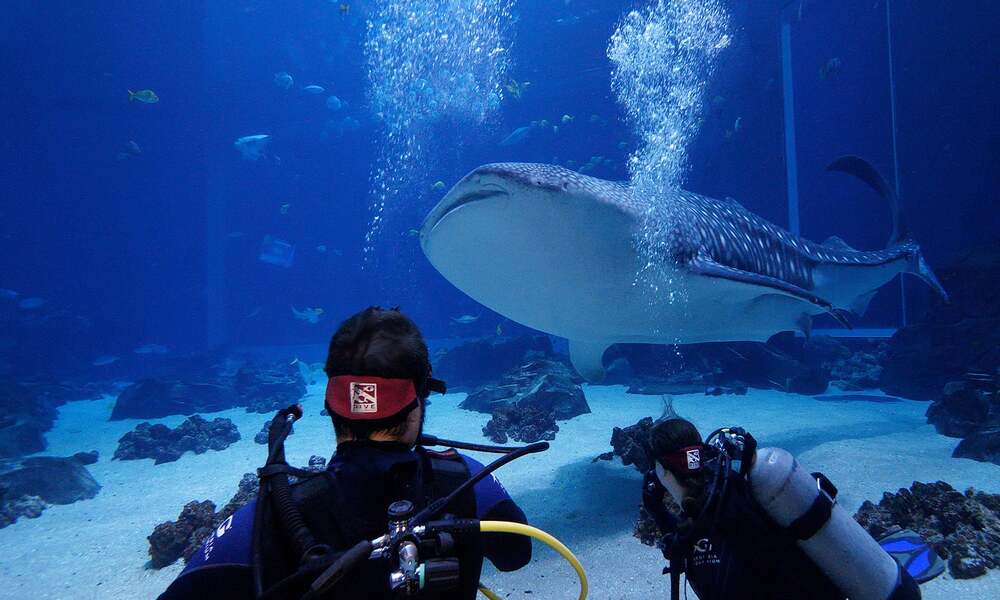
The Journey with Gentle Giants is the aquarium’s signature premium experience — a swim or dive program in the Ocean Voyager exhibit alongside whale sharks, manta rays, and thousands of fish. The swim program requires no SCUBA certification and uses a surface-supplied air system. Participants float on the surface with a breathing apparatus and a clear mask, watching the whale sharks pass beneath them. The dive program requires SCUBA certification. Both are expensive — $200 to $400 — and include admission, a behind-the-scenes tour, and a souvenir video. This is a once-in-a-lifetime experience for many visitors.
Participants in the Journey with Gentle Giants begin with a behind-the-scenes tour of Ocean Voyager’s life support systems, learning how the exhibit’s massive filtration and water quality systems operate. The group then suits up in wetsuits provided by the aquarium, receives a safety briefing, and enters the water from a platform hidden from public view. The experience lasts approximately 30 minutes in the water, with an additional hour for preparation and debriefing.
Being in the water with whale sharks is profoundly different from viewing them through glass. The sheer size of these animals becomes apparent when they glide past within arm’s reach. The sensation of weightlessness, combined with the presence of these gentle giants, creates an experience that many participants describe as spiritual. The dive program allows certified divers to descend to the bottom of the 30-foot-deep exhibit, observing the whale sharks from below as they cruise near the surface.
A professional photographer documents the experience, and participants receive a digital video and photos as souvenirs. For many, this is the highlight of a lifetime of travel.
The beluga whale encounter lets small groups interact with belugas from the edge of their habitat under trainer supervision. Participants learn about beluga care, help with a training session, and have a chance to touch and feed the whales. It is an intimate experience limited to a handful of participants per session.
The encounter begins with an educational presentation on beluga biology, the aquarium’s beluga conservation programs, and the daily care routines for these Arctic whales. Participants don waders and enter a shallow area at the edge of the beluga habitat. Under the trainer’s guidance, participants use hand signals to cue behaviors, offer fish as rewards, and touch the belugas’ smooth, rubbery skin. The belugas’ intelligence and responsiveness make the encounter deeply engaging.
Belugas are highly vocal, and during the encounter, you’ll hear their wide range of sounds up close. The trainers explain how researchers study beluga vocalizations and what different sounds mean. For animal lovers, this intimate interaction with such intelligent and charismatic creatures is unforgettable.
Penguin encounters and sea otter encounters operate on a similar model — small groups, behind-the-scenes access, and direct interaction with the animals. The shark cage dive puts participants in a cage inside the Sharks exhibit with hammerheads and other species. No SCUBA certification is required.
The penguin encounter takes participants into the penguin habitat’s back-of-house area, where they assist in feeding the colony and learn about penguin care and conservation. Participants get close enough to observe the penguins’ individual personalities and behaviors, and the aquarium’s penguin keeper shares stories and insights about each bird.
The sea otter encounter involves watching a training session, learning about sea otter ecology and conservation, and assisting in enrichment activities. Sea otters are among the most tool-using mammals, and observing their intelligence and dexterity at close range is captivating. The encounter also educates participants on the conservation success story of California sea otters, which were hunted nearly to extinction in the 19th century but have rebounded thanks to legal protection and conservation efforts.
The shark cage dive allows non-certified participants to experience the thrill of being submerged in the Sharks exhibit. Participants enter a specially designed cage that is lowered into the exhibit, providing close-up views of hammerhead sharks, sandbar sharks, and other species. The experience is thrilling and safe, offering a unique perspective on these often-misunderstood predators.
The Behind-the-Seas Tour is the most accessible and affordable premium experience. A guide takes a small group into the filtration rooms, veterinary facilities, and animal care areas that visitors never see. The tour explains how the aquarium maintains 11 million gallons of water, cares for its animals, and contributes to conservation worldwide. It is fascinating and changes how you see the exhibits.
The tour begins with an overview of the aquarium’s water systems — massive filtration tanks, protein skimmers, UV sterilizers, and the sophisticated monitoring systems that track water quality parameters 24/7. The guide explains how the aquarium maintains different water temperatures and chemistries for different exhibits, from the near-freezing water of Cold Water Quest to the tropical temperatures of the coral reef.
Visitors then tour the veterinary facilities, including examination rooms, surgical suites, and quarantine areas where new arrivals are evaluated before joining exhibit populations. The guide discusses the medical care provided to the aquarium’s animals, from routine health checks to complex surgeries. If you’re fortunate, you may observe veterinarians or animal care staff at work.
The tour also visits food preparation areas where the aquarium’s culinary team prepares specialized diets for hundreds of species. The variety and volume of food required daily — from plankton for filter feeders to whole fish for sharks — is staggering. The guide explains how nutritional needs are assessed and how the aquarium sources sustainable seafood for its animals.
Throughout the tour, the guide shares stories about individual animals, conservation successes, and the aquarium’s research initiatives. The Behind-the-Seas Tour provides context and depth that transforms a return visit to the public galleries, allowing you to appreciate the complexity and expertise required to operate a world-class aquarium.
All premium experiences should be booked as far in advance as possible. During peak seasons, Journey with Gentle Giants and beluga encounters can book months ahead. Check the aquarium’s website for availability and pricing, and book immediately once your travel dates are confirmed. Cancellation policies vary by experience, so review the terms before booking.
Frequently Asked Questions
How long does it take to see the Georgia Aquarium?
Most visitors spend 3 to 4 hours. A thorough visit with a dolphin show, all galleries, and time to sit and watch the whale sharks takes 4 to 5 hours. Add more time for animal encounters or premium experiences.
Is the Georgia Aquarium worth the price?
Yes, for the whale sharks alone — it is the only place in America to see them. The aquarium is expensive compared to other attractions, but the exhibits are world-class and the scale is breathtaking.
Can you really swim with whale sharks?
Yes. The Journey with Gentle Giants program lets visitors swim or dive in the Ocean Voyager exhibit. The swim program requires no diving certification. The dive program requires SCUBA certification. Both are expensive and book up far in advance.
Is the Georgia Aquarium good for toddlers?
Yes. The large viewing windows, colorful fish, and touch pools are engaging for very young children. Strollers are permitted but a baby carrier is easier in crowds. The dolphin show is great for all ages.
What is the best time to visit?
Weekday mornings, especially Tuesday through Thursday. The first time slot of the day is the quietest. Avoid weekends, summer afternoons, and school holidays if possible. Spring break and the week between Christmas and New Year’s are extremely crowded.
Is the Georgia Aquarium near other Atlanta attractions?
Yes. It is adjacent to Centennial Olympic Park, the World of Coca-Cola, and the Center for Civil and Human Rights. The College Football Hall of Fame is a short walk. The aquarium is walkable to the CNN Center and the Mercedes-Benz Stadium area.