
Dollywood: The Complete Guide to Dolly Parton's Smoky Mountain Paradise
Everything you need to know about Dollywood — world-class coasters, live entertainment, Smoky Mountain charm, festivals, hotels, and insider tips.
Live Entertainment Everywhere
Country, bluegrass, gospel, and Appalachian music fill the park daily — this is the soundtrack of Dollywood.
World-Class Coasters
Lightning Rod, Thunderhead, and Wild Eagle rank among the best coasters in the country — all set against mountain views.
Legendary Southern Food
Cinnamon bread from the Grist Mill, skillet-fried chicken, and fresh-made taffy — the food is a destination in itself.
Smoky Mountain Setting
Nestled in the foothills of the Great Smoky Mountains — one of the most beautiful backdrops of any theme park on Earth.
Dolly's Personal Touch
Dolly Parton's warmth, humor, and deep roots in East Tennessee infuse every corner of the park with authenticity.
- Entertainment & Atmosphere: 10/10
- Thrill Rides: 8/10
- Dining Options: 9/10
- Value for Money: 8/10
- Location: Pigeon Forge, Tennessee — in the foothills of the Great Smoky Mountains
- Opened: 1961 as Rebel Railroad; became Dollywood in 1986
- Highlight: Lightning Rod — the world's first launched wooden coaster and one of the most thrilling rides anywhere
- Best For: Families, coaster fans, music lovers, foodies
- Price Range: $90–$95 per day (multi-day discounts and season passes available)
- Season: Mid-March through early January (closed January–mid-March)
Dolly Parton's Mountain Dream — A Theme Park Like No Other
Dollywood is the most personal theme park in America. It bears the name, vision, and unmistakable warmth of its owner — Dolly Parton, the global music icon who grew up in these very mountains. Located in Pigeon Forge, Tennessee, just outside the Great Smoky Mountains National Park, Dollywood began its life in 1961 as a small Civil War-themed train attraction called Rebel Railroad. When Dolly partnered with the park in 1986 and lent it her name, she did more than rebrand — she infused it with the music, food, storytelling, and mountain values she grew up with.
The park’s transformation under Dolly’s ownership reflects her deep connection to the region. Born in a one-room cabin in nearby Sevier County, Dolly witnessed firsthand the hardships and beauty of Appalachian life. Her vision for Dollywood was never just about entertainment — it was about preserving the heritage of the Smoky Mountains, celebrating the craftsmanship and musical traditions of her childhood, and creating jobs in an economically struggling region. The park employs over 4,000 people during peak season, making it one of the largest employers in East Tennessee. Dolly has stated repeatedly that Dollywood is her way of giving back to the community that shaped her.
Today, Dollywood is a world-class theme park that somehow feels like a family reunion. The coaster lineup is shockingly good: Lightning Rod is a launched wooden coaster that tears through the forest at 73 mph, Thunderhead is a Golden Ticket Award-winning wooden twister, and Wild Eagle is America’s first wing coaster — riders sit on either side of the track with nothing above or below them, soaring over the mountain ridge. The park has invested heavily in thrill rides without sacrificing its soul. Over the past decade alone, Dollywood has poured more than $300 million into expansions, including the Wildwood Grove area that opened in 2019 with eleven new experiences and Big Bear Mountain in 2023. The commitment to quality is evident — these are not off-the-shelf carnival rides but custom-designed attractions that integrate seamlessly into the natural landscape.
But rides are only half the story. Live music fills the park at every turn — gospel quartets in the chapel, bluegrass pickers on the porch, country bands on the main stages. Craftsmen demonstrate blacksmithing, glassblowing, candle-making, and woodworking using techniques passed down for generations. Visitors can watch a blacksmith forge horseshoes using a coal-fired furnace, observe glassblowers shape molten glass into intricate sculptures, and purchase handmade dulcimers crafted in the park’s own workshop. These are not actors playing craftsmen — they are genuine artisans, many of whom learned their trades from family members and represent generations of Appalachian tradition. The Craftsman’s Valley section of the park serves as a living museum where endangered skills are preserved and passed on.
The food is legendary: cinnamon bread from the Grist Mill that draws lines longer than some coasters, skillet-fried chicken, fresh-churned ice cream, and more Southern comfort food than you can eat in a week. The park’s restaurants serve pulled pork sandwiches smoked on-site, stone-ground cornbread, country ham biscuits, and peach cobbler made with fruit from local orchards. Aunt Granny’s Restaurant offers all-you-can-eat Southern buffet dining with fried chicken, mashed potatoes, green beans cooked with bacon, macaroni and cheese, and biscuits with sawmill gravy. The quality far exceeds typical theme park fare, and prices remain surprisingly reasonable — a stark contrast to the dining costs at major Florida and California parks.
Dollywood’s seasonal festivals — the Flower & Food Festival in spring, Smoky Mountain Summer, the Harvest Festival with the Great Pumpkin LumiNights, and Smoky Mountain Christmas — each transform the park into something entirely new. The Flower & Food Festival runs from late March through May and features millions of blooming flowers, tulips lining pathways, azaleas cascading down hillsides, and food tastings highlighting Southern and international cuisine. Smoky Mountain Summer brings extended hours, special concerts, and evening entertainment. The Harvest Festival, running September through October, decorates the park with thousands of hand-carved pumpkins, features craft demonstrations focused on fall traditions, and culminates in the Great Pumpkin LumiNights — an after-dark experience with illuminated pumpkin displays that turn the park into a glowing autumn wonderland. Smoky Mountain Christmas is consistently ranked among America’s best theme park holiday events, with over five million lights, dozens of elaborately decorated Christmas trees representing different themes and countries, live nativity scenes, and a parade featuring larger-than-life puppets and floats.
Dollywood does not feel manufactured. It feels homegrown. Unlike corporate theme parks designed by committees in distant cities, Dollywood carries the personal stamp of someone who knows this land intimately. The park’s design respects the topography rather than flattening it — pathways wind along natural ridges, attractions nestle into wooded hillsides, and everywhere you look, the Smoky Mountains provide a breathtaking backdrop. There is an authenticity here that cannot be replicated, a sense that the park belongs to the mountains rather than being imposed upon them.
Whether you want to fly over London with Peter Pan, travel to a galaxy far, far away in Star Wars: Galaxy’s Edge, or eat and drink your way through eleven countries at Epcot, the sheer scale of experiences is unparalleled. Since opening in 1971, it has remained the world’s most visited vacation resort, drawing millions annually to its meticulously crafted lands.
Our guide is designed to help both first-timers and seasoned pros navigate the complexity of Genie+, dining reservations, and park hopping — so you can spend less time planning and more time enjoying the magic. Understanding Dollywood’s unique rhythm, knowing which attractions to prioritize, and making smart use of available tools will transform a good visit into an unforgettable one. The park rewards preparation — those who arrive with a plan consistently have better experiences than those who wander aimlessly.
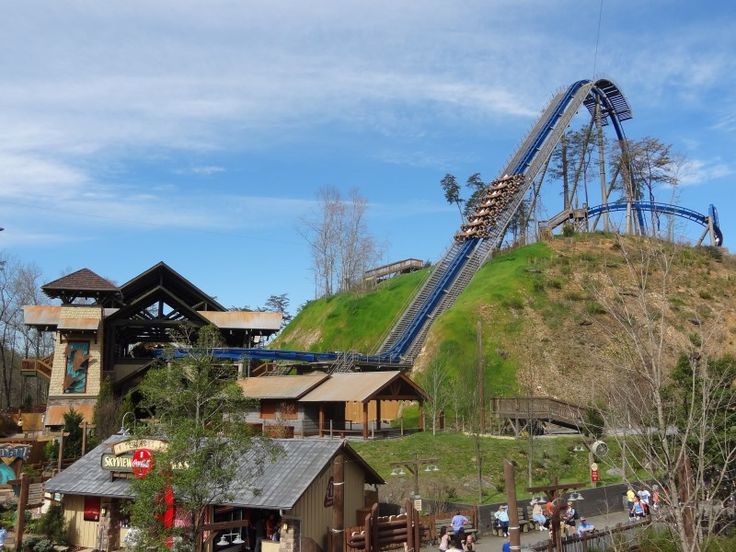
Explore the Lands and Seasons of Dollywood
Eleven themed areas and four massive seasonal festivals — every visit to Dollywood feels different.
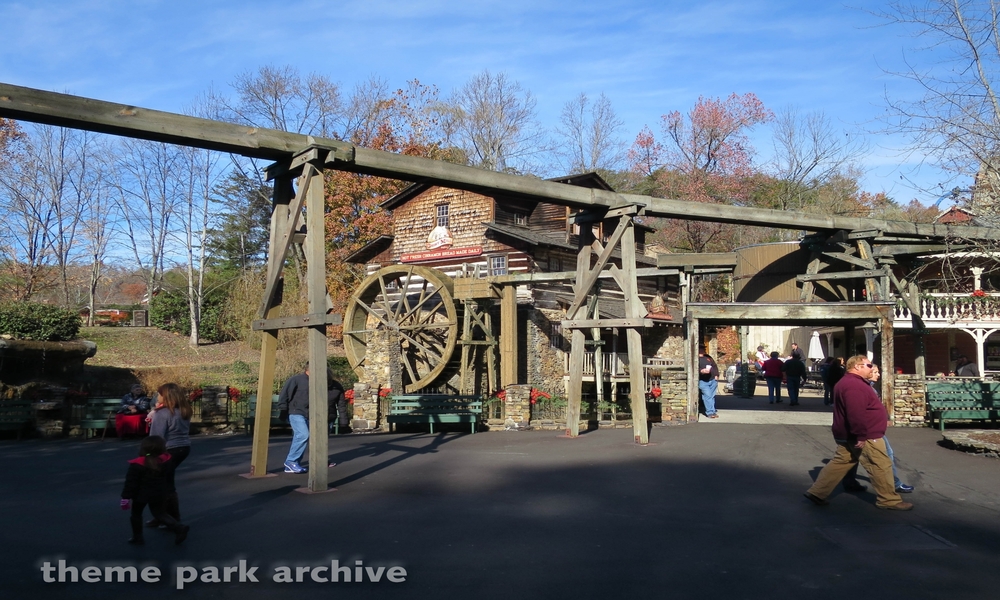
Craftsman's Valley
The heart of Dollywood's heritage. Watch blacksmiths forge iron, glassblowers shape molten glass, and candy makers pull taffy by hand. Home to the Grist Mill and its famous cinnamon bread.
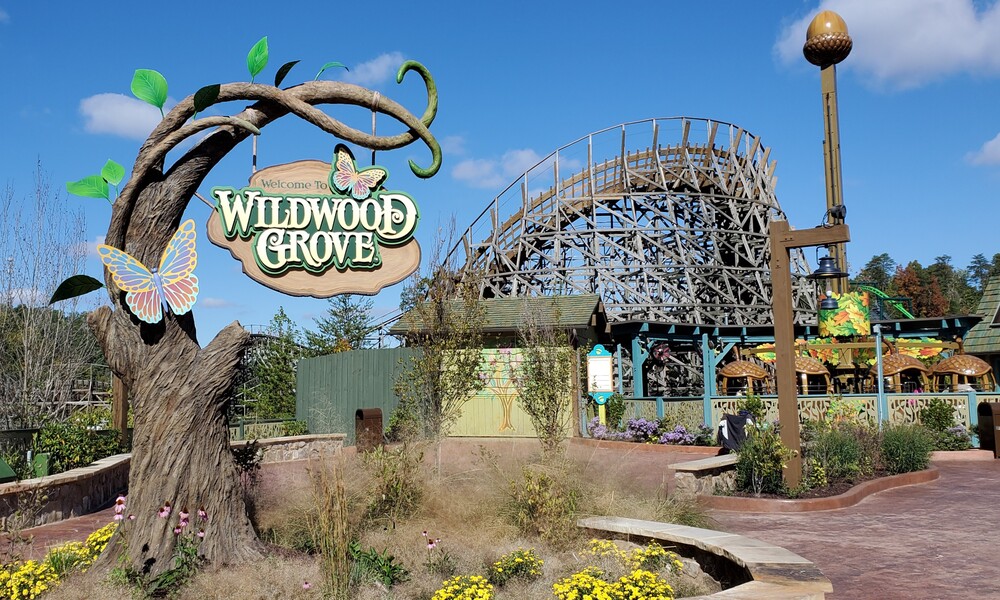
Wildwood Grove
The park's newest land — an enchanted forest filled with family rides including the Dragonflier suspended coaster. The Wildwood Tree comes alive with music and light at night. Dolly's childhood dreams made real.
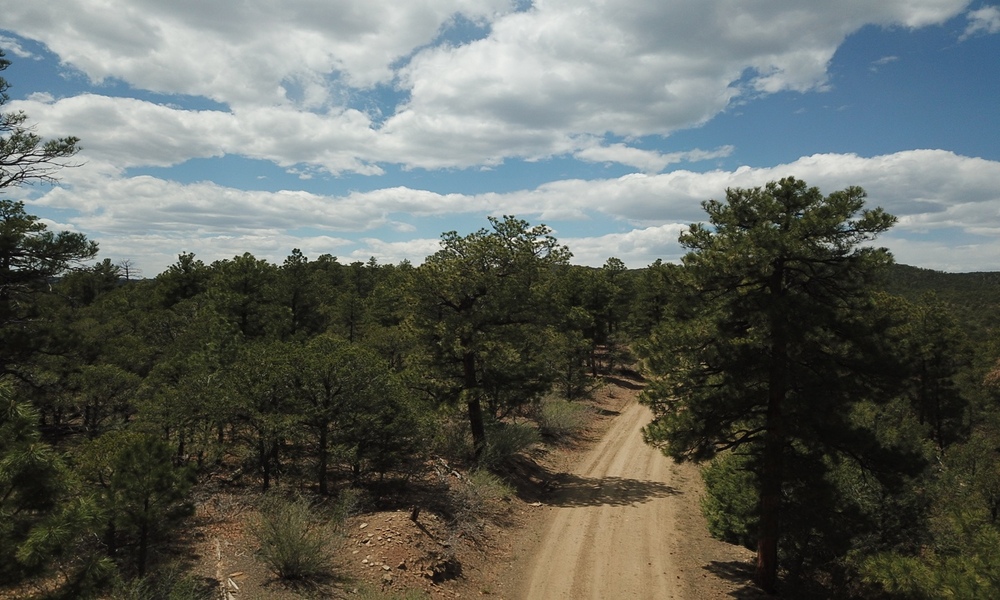
Timber Canyon & Wilderness Pass
The thrill-seeker zone. Lightning Rod launches through the woods, Thunderhead twists through the trees, and Wild Eagle soars 210 feet over the mountain ridge. The views alone are worth the climb.
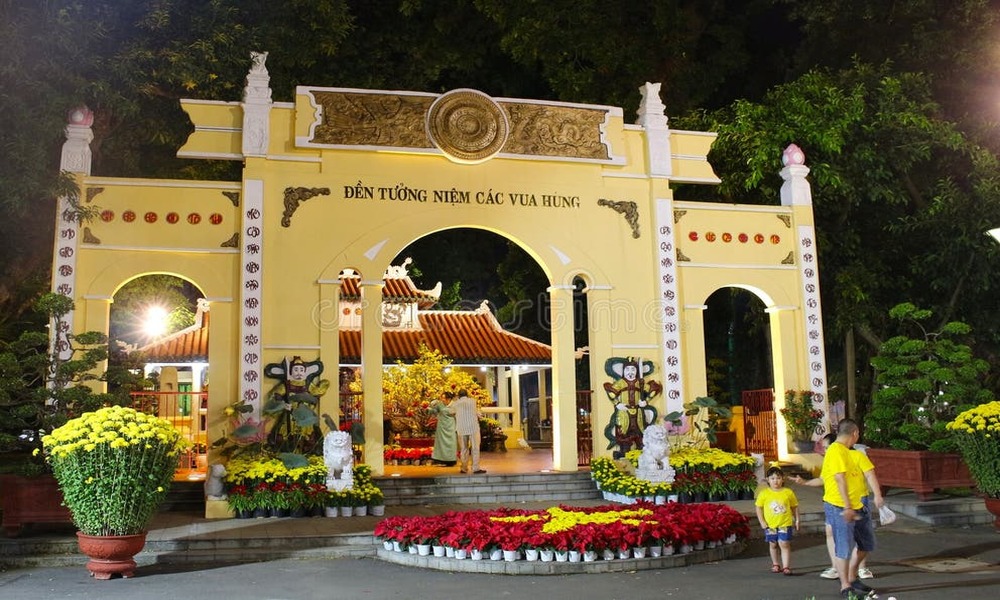
Flower & Food Festival (Spring)
Thousands of blooming flowers, living topiary sculptures, and exclusive food booths with small plates and drinks. The park is at its most colorful.
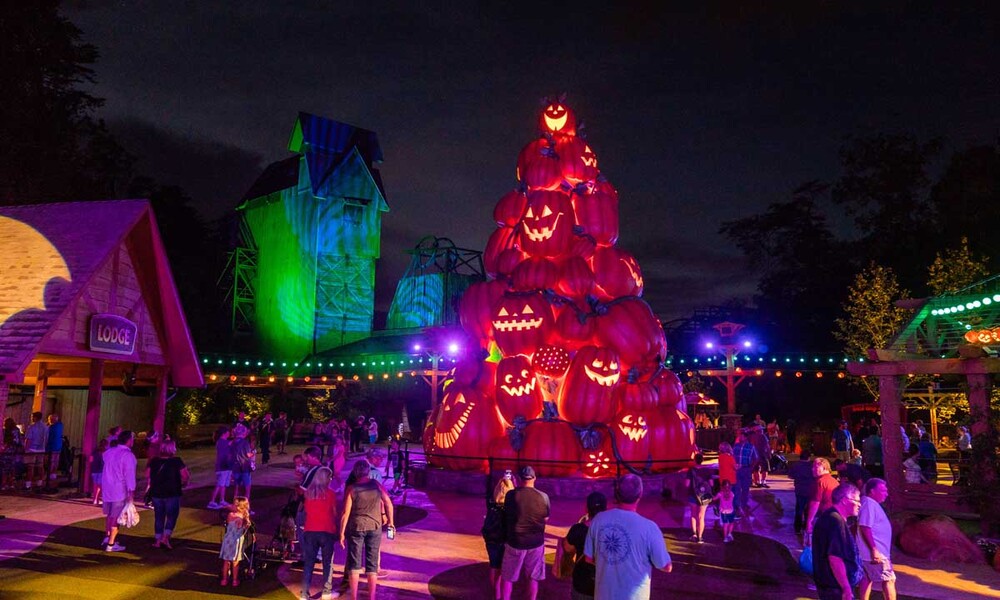
Harvest Festival & Great Pumpkin LumiNights (Fall)
The largest pumpkin festival in the South. Thousands of carved pumpkins, glowing displays after dark, and fall flavors throughout the park. A family favorite.
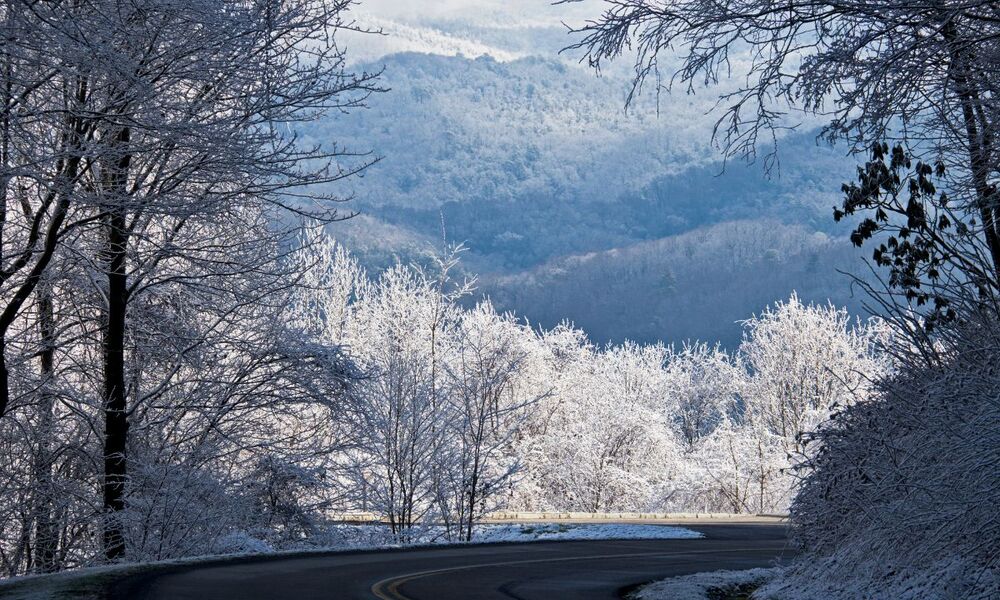
Smoky Mountain Christmas (Winter)
Over 6 million lights, holiday shows, a nightly parade, and snow on Town Square. Widely considered one of the best Christmas events at any theme park in the country.
Dollywood Strategy: Timesaver Pass, Parking, and Pro Tips**
Dollywood is built on a hillside in the Smoky Mountain foothills, and the terrain shapes every aspect of a visit. The park is larger than it appears on a map — bring comfortable walking shoes and be prepared for elevation changes. The layout is roughly a loop, with the entrance and Showstreet area at the bottom and Timber Canyon at the highest point. The elevation gain from the entrance to Lightning Rod is approximately 300 feet, equivalent to climbing a 30-story building. This vertical geography means strategic planning matters — heading uphill to major coasters early in the day, then working your way downhill as the afternoon progresses, conserves energy and keeps you fresh.
Timesaver Pass is Dollywood’s line-skip system and it works differently from other parks. Rather than immediate access, it acts as a virtual queue — you reserve a ride time, continue enjoying the park, and return during your window. Timesaver Unlimited allows multiple reservations at once and is the better choice on busy days. Prices vary by date, typically $30–$70 per person. Lightning Rod, Big Bear Mountain, and FireChaser Express are the priority Timesaver selections as they build the longest lines. The system does not guarantee walk-on access — even with Timesaver, expect a 5-15 minute wait — but it eliminates 45-90 minute standby queues. For families visiting during peak periods like summer weekends, fall festivals, or Smoky Mountain Christmas, Timesaver becomes nearly essential. The regular Timesaver allows one reservation at a time, meaning you must use or cancel your current reservation before booking another, while Timesaver Unlimited lets you stack reservations throughout the day.
Parking is $25–$30 for standard lots, with preferred and VIP options closer to the entrance. A tram system connects the parking lots to the main gate. The standard lots are large and well-organized, with clearly marked sections named after Dolly Parton songs — arrive early and you might park in “Jolene” or “9 to 5.” Preferred parking costs an additional $10-15 and places you in lots within a 5-minute walk of the entrance, eliminating tram wait times. VIP parking, available for approximately $35-40, provides covered spaces immediately adjacent to the entrance. For multi-day visits or families with young children, preferred or VIP parking proves worth the investment by saving 20-30 minutes at both arrival and departure.
Dollywood’s app provides show schedules, wait times, and a GPS-enabled map — essential for navigating the hilly terrain. Download it before your visit and familiarize yourself with the interface. The app’s map function shows your current location and provides walking directions to attractions, restaurants, and restrooms. Real-time wait times help you make informed decisions about which rides to tackle next. The show schedule feature ensures you do not miss limited-seating performances — some of the park’s best entertainment happens in small venues that fill to capacity 10-15 minutes before showtime.
The park operates seasonally from mid-March through early January, closing entirely for about two months in winter. Operating hours vary significantly: 10 AM to 6 PM on off-peak weekdays, extending to 10 AM to 9 PM during summer and festival weekends. The seasonal schedule means checking hours before your visit is critical — arriving on a day when the park closes at 6 PM versus 9 PM dramatically affects how much you can experience. Extended hours during festivals provide opportunities to enjoy attractions with shorter lines after dinner, when many families with young children have departed.
Arrive 30 minutes before opening. Head directly to Lightning Rod — it is in the back of the park at the highest elevation, and reliability has improved dramatically since its early years but lines build quickly. The walk from the entrance to Lightning Rod takes 15-20 minutes even at a brisk pace, winding uphill through multiple themed areas. Serious coaster enthusiasts should power-walk or jog this route at rope drop to secure a first-ride, then work backwards through the park hitting Thunderhead, Wild Eagle, and Tennessee Tornado before standby lines exceed 30 minutes. This strategy, known as “touring the park backwards,” capitalizes on the fact that most guests naturally progress from front to back, creating opportunities for minimal waits on major attractions by reversing the flow.
On hot summer days, the water rides — River Rampage and Daredevil Falls — are popular cooldown options. Bring a change of clothes or a poncho. River Rampage is a whitewater raft ride where getting soaked is virtually guaranteed, while Daredevil Falls combines a flume ride with a massive splashdown that drenches riders and spectators alike. The park offers dryers for $5-8 at each water ride, but savvy visitors bring waterproof bags for electronics, wear sandals or water shoes, and either embrace the wetness or pack a complete change of clothes in a locker.
Outside food is not permitted, but the park’s dining is both excellent and reasonably priced compared to most theme parks. The cinnamon bread alone is worth the trip. A counter-service meal typically costs $12-18 per person, while sit-down restaurants range from $15-25. These prices include substantial portions of genuinely good food — not the overpriced, underwhelming fare that plagues many theme parks. Guests with dietary restrictions will find vegetarian, vegan, and gluten-free options clearly marked on menus, and the park accommodates food allergies with advance notice.
Must-Do Coasters and Experiences at Dollywood
Lightning Rod: The world’s first launched wooden coaster and still one of the most intense rides on the planet. A linear synchronous motor launches trains up a 206-foot hill at 45 mph before the track takes over — 73 mph through the trees, over airtime hills, and around a massive turnaround. The ride recently switched to a steel track section on the most stressed portions, improving reliability and maintaining the wooden coaster feel. Ride in the back row for maximum airtime. The launch feels like being shot from a cannon, and the quad-down — a series of four consecutive airtime hills — delivers sustained weightlessness that ranks among the finest moments in modern coaster design. Lightning Rod’s location high on the mountain ridge means the track weaves between trees and rock formations, creating near-miss elements and a genuine sense of speed. Early mechanical issues plagued the ride’s first years, but recent upgrades have brought reliability above 95%. Height requirement: 48 inches. Intensity level: extreme.
Big Bear Mountain: Opened in 2023, this is the longest coaster at Dollywood at nearly 4,000 feet. A family launch coaster with speeds up to 48 mph, three separate launches, and a route through the woods of Wildwood Grove. On-board audio plays a bear-themed story. It is smooth, re-rideable, and perfect for families ready to graduate from kiddie coasters. The ride experience focuses on fun rather than fear, with gentle airtime, banked turns, and immersive theming that includes animated bear figures and scenic mountain landscapes. The triple-launch system means the coaster accelerates, slows, then launches again twice more during the circuit, building anticipation and maintaining momentum. This is the ideal “first big coaster” for children who have outgrown Dragonflier but are not ready for Lightning Rod’s intensity. Height requirement: 39 inches. Intensity level: moderate.
Thunderhead: A classic wooden twister that has won Golden Ticket Awards for Best Wooden Coaster multiple times. The compact layout crosses over and under itself 32 times — a record when it opened. The station fly-through is one of the great moments in wooden coaster design. It has aged beautifully and remains glass-smooth for a wooden coaster. Built by Great Coasters International in 2004, Thunderhead set new standards for wooden coaster design with its relentless pacing, creative use of terrain, and airtime-focused layout. The ride begins with a 100-foot drop, then races through a series of banked turns, surprise directional changes, and tunnels before roaring through the station at full speed. The moment when the train blasts through the station with riders screaming and onlookers cheering is pure theme park magic. Night rides during extended operating hours showcase Thunderhead at its best — the sensation of hurtling through darkness, wood structure groaning, wind rushing, is unforgettable. Height requirement: 48 inches. Intensity level: high.
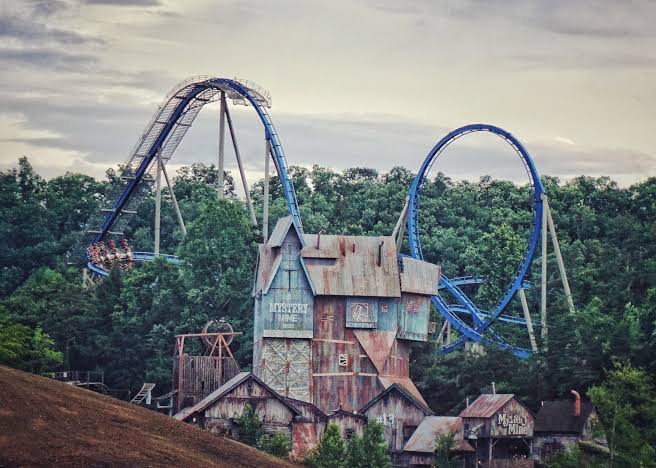
Wild Eagle: America’s first wing coaster, where riders sit on either side of the track with nothing above or below. The 135-foot first drop off the mountain ridge delivers a sensation of free flight, and the inversions are graceful rather than forceful. The views of the Smoky Mountains from the lift hill are worth the ride alone. Manufactured by Bolliger & Mabillard, Wild Eagle emphasizes elegance over aggression. The ride features four inversions — two inline twists and two barrel rolls — executed with the smoothness B&M is renowned for. The wing coaster design creates unique visuals: riders on the outside seats experience head-choppers as the wings pass close to rock formations and support structures, while inside seats offer unobstructed mountain views. The ride’s theming celebrates Appalachian wildlife, specifically the bald eagles that nest in the Smokies. Height requirement: 50 inches (48 inches with adult supervision). Intensity level: moderate-high.
The Dollywood Express: A genuine coal-fired steam train that runs a 20-minute loop through the Smoky Mountain foothills. The train was built in 1943 and served in Alaska during World War II before coming to Dollywood. The black smoke, the whistle echoing off the mountains, the conductors telling stories — this is not just a ride, it is living history. The park operates two steam locomotives, Klondike Katie and Cinderella, both meticulously maintained and fully functional. Riding the Dollywood Express offers a chance to rest your feet, enjoy air conditioning (or open-air cars in pleasant weather), and experience authentic railroading. The train winds through wooded areas inaccessible to pedestrians, crosses a trestle bridge, and provides commentary on both railroad history and the Smoky Mountain region. For railroad enthusiasts, vintage rail fans, and anyone who appreciates mechanical heritage, this is a must-do. The train also serves as practical transportation between the entrance and Timber Canyon, saving a significant uphill walk. No height requirement. Intensity level: none.
Cinnamon Bread from the Grist Mill: This is not an attraction in the traditional sense, but the line often rivals Lightning Rod. Fresh-baked pull-apart bread coated in cinnamon, butter, and sugar, served hot in a paper bag with apple butter and icing. The Grist Mill grinds its own flour. Buy two loaves — one to eat immediately and one for later. You will regret buying only one. The Grist Mill operates as a working mill, grinding wheat and corn using a water-powered wheel. Watching the stone grinder in action while waiting in line adds educational value to the experience. Each loaf weighs approximately a pound and serves 3-4 people, though families routinely purchase multiple loaves knowing they will consume them before leaving the park. The bread stays warm for 30-45 minutes, making it an excellent mid-morning or mid-afternoon snack. The accompanying apple butter and cream cheese icing elevate an already perfect food into something transcendent. Dollywood sells over one million loaves annually, and the recipe remains a closely guarded secret. No visit is complete without this experience.
On-Site Resorts and Where to Stay in the Smokies
Dollywood operates two on-site resorts, and both deliver the same warmth and quality that defines the park itself. Dollywood’s DreamMore Resort & Spa is the flagship — a 307-room hotel with mountain views, a beautiful outdoor pool and lazy river, a full-service spa, and a Southern restaurant. Guests receive free parking at the park, a complimentary Timesaver Pass for length-of-stay, and a shuttle to and from Dollywood. The resort feels like a warm embrace — rocking chairs on the porch, fire pits at night, and Dolly’s personal touches everywhere. Room rates typically range from $200-400 per night depending on season, with family suites accommodating up to eight guests. The included Timesaver Pass alone saves $40-70 per person, making the resort package competitive with off-site hotels once perks are factored in.
The Song & Hearth restaurant serves breakfast and dinner buffets featuring Southern classics and contemporary cuisine. The breakfast buffet includes made-to-order omelets, biscuits and gravy, fresh fruit, pastries, and grits, while dinner showcases rotisserie chicken, carved meats, seasonal vegetables, and house-made desserts. The spa offers massage, facials, body treatments, and a relaxation room with mountain views. For families spending multiple days at Dollywood, staying on-site eliminates driving, allows midday breaks for swimming or napping, and provides exclusive early park entry during select seasons.
Dollywood’s HeartSong Lodge & Resort opened in 2023 as the newest addition. Themed around the Great Smoky Mountains, the resort features a stunning three-story lobby with a massive stone fireplace, an indoor-outdoor pool, and nature trails. It is slightly more rustic than DreamMore, with design elements drawn from the surrounding national park. HeartSong contains 302 rooms, including family suites with bunk beds designed to appeal to children. The resort’s architecture incorporates reclaimed wood, stone, and nature-inspired artwork celebrating the flora and fauna of the Smokies. Nature trails wind through the property, connecting to the adjacent forest and providing opportunities for bird watching and peaceful morning walks. The indoor-outdoor pool concept allows year-round swimming with a section that extends from the climate-controlled interior to an outdoor deck. HeartSong’s restaurant focuses on farm-to-table ingredients sourced from Tennessee producers, with menus changing seasonally. Like DreamMore, HeartSong guests receive free theme park parking, shuttle service, and complimentary Timesaver Passes.
Pigeon Forge and neighboring Gatlinburg are packed with hotels, cabins, and vacation rentals at every price point. The area is a major tourist destination beyond just Dollywood — the Great Smoky Mountains National Park (America’s most visited national park) is minutes away. Cabin rentals are enormously popular and often include mountain views, hot tubs, game rooms, and full kitchens. For families spending several days, a cabin can be cheaper and more spacious than a hotel. Cabins range from one-bedroom romantic retreats to massive 10-bedroom lodges capable of hosting family reunions. Nightly rates vary from $100 for basic cabins to $1,000+ for luxury properties with theater rooms, multiple hot tubs, and panoramic views. Booking platforms like VRBO and Airbnb offer thousands of options, many within a 10-15 minute drive of Dollywood.
The Island in Pigeon Forge is a large entertainment complex with dining, shopping, and a Ferris wheel — a popular evening destination after the park closes. The Island features over 60 shops and restaurants arranged around a central plaza with a dancing fountain show set to music and lights. The Great Smoky Mountain Wheel, a 200-foot observation wheel with climate-controlled gondolas, provides stunning views of the surrounding mountains and Pigeon Forge cityscape, particularly beautiful at sunset. The Island also houses attractions like an arcade, escape rooms, ropes course, mirror maze, and live entertainment venues. It serves as an excellent option for evenings when the park closes early or for rest days between Dollywood visits.
Dollywood’s Splash Country, a 35-acre water park adjacent to the main park, operates seasonally from mid-May through September. Combo tickets and resort packages that include Splash Country offer the best value for summer visits. The water park features slides, a wave pool, a lazy river, and shaded cabana rentals. It is walkable from DreamMore Resort. Major attractions include Fire Tower Falls, a five-story water slide complex with multiple slides of varying intensity; Big Bear Plunge, a family raft ride; Bear Mountain Fire Tower, a massive water play structure; and SwiftWater Run, a winding lazy river that circles the park. Splash Country maintains the same attention to theming and quality that defines Dollywood — this is not a generic water park but a carefully designed experience celebrating mountain water culture. Cabana rentals provide shade, seating, lockers, and dedicated servers who deliver food and drinks, creating a resort-style experience within the water park. For families visiting during summer heat, splitting days between Dollywood and Splash Country maximizes comfort and variety.
Frequently Asked Questions
Is Dollywood worth visiting without kids?
Absolutely. The coaster lineup rivals dedicated thrill parks, the live music is outstanding, the food is among the best of any theme park, and the Smoky Mountain setting is stunning. Adult groups and couples will find plenty to fill a day.
How is Dollywood different from Dolly Parton's Stampede?
Dollywood is a full-size theme park with rides, shows, and crafts. Dolly Parton’s Stampede is a separate dinner attraction in Pigeon Forge — a four-course meal served during a live equestrian show. They are owned by different companies and require separate tickets.
How many days do you need at Dollywood?
Two days is ideal. One day covers the major rides and shows at a brisk pace. Two days lets you enjoy the crafts, take your time with meals, revisit favorite coasters, and catch shows you missed. Add a third day for Splash Country in summer.
When is the best time to visit Dollywood?
The Flower & Food Festival (April–May) offers beautiful weather and manageable crowds. Smoky Mountain Christmas (November–December) is magical with millions of lights but very busy on weekends. Weekdays during any season are quieter than weekends.
Is Dollywood part of a larger chain?
Dollywood is co-owned by Dolly Parton and Herschend Family Entertainment, which also operates Silver Dollar City in Missouri and several other attractions. It is not part of the Disney, Universal, Six Flags, or Cedar Fair chains.
Does Dolly Parton ever visit the park?
Occasionally, yes. Dolly typically visits for opening day each season and for special events. She does not make scheduled appearances, but her presence is felt everywhere. The Chasing Rainbows Museum inside the park tells her life story with costumes, awards, and personal artifacts.