
Best Museums in the USA: Art, Science, History & Beyond
Explore America's most fascinating museums — from world-class art collections to hands-on science centers and interactive historical exhibits.
World-Class Collections
From the Smithsonian to The Met — America's museums house treasures from every civilization.
Hands-On Science
Interactive exhibits make learning fun for all ages at science centers across the country.
Iconic Art Museums
Masterpieces from Van Gogh to Warhol in galleries that inspire and captivate.
Living History
Step back in time at museums that bring America's story to life through immersive exhibits.
Family-Friendly Fun
Dedicated children's museums and discovery zones spark curiosity in young minds.
- Educational Value: 10/10
- Family Appeal: 9/10
- Time Well Spent: 9/10
- Value for Money: 8/10
- Top Museum Cities: Washington DC, New York, Chicago, Los Angeles
- Best Time to Visit: Weekday mornings, off-peak seasons
- Price Range: Free to $30 (many offer free admission days)
- Best For: All ages — solo visitors, couples, and families
- Top Pick: Smithsonian National Air and Space Museum
- Average Visit: 2–4 hours
America's Museums: Where Curiosity Comes Alive
The United States is home to some of the world’s greatest museums — vast repositories of art, science, history, and culture that attract millions of visitors each year. From the marble halls of the Smithsonian Institution in Washington, D.C. to the cutting-edge interactive exhibits of San Francisco’s Exploratorium, America’s museum landscape is as diverse as the country itself.
These institutions serve as cultural anchors in their communities, preserving humanity’s greatest achievements while simultaneously pushing the boundaries of how we engage with knowledge. Whether housed in stunning architectural landmarks like Frank Lloyd Wright’s Guggenheim spiral or in repurposed industrial spaces that celebrate adaptive reuse, American museums represent democracy’s promise that culture and education belong to everyone. The museum experience has evolved dramatically over recent decades, moving beyond glass cases and “do not touch” signs toward immersive environments where visitors become active participants rather than passive observers.
Art lovers can lose themselves in the Metropolitan Museum of Art’s two million square feet of galleries, where collections span 5,000 years of world culture across every inhabited continent. Science enthusiasts can touch a piece of the Moon at the National Air and Space Museum or walk among dinosaurs at Chicago’s Field Museum, where paleontology meets cutting-edge research. History buffs can stand before the original Star-Spangled Banner or explore the civil rights movement at the National Museum of African American History and Culture, where the American story is told through voices often marginalized in traditional narratives.
Beyond these flagship institutions, America’s museum ecosystem includes extraordinary specialty collections: botanical gardens that preserve endangered plant species, maritime museums aboard historic vessels, presidential libraries that archive the nation’s leadership, folk art centers celebrating regional traditions, and children’s museums designed entirely around the principles of play-based learning. Regional museums offer insights into local heritage — the logging industry in the Pacific Northwest, cowboy culture in Texas, indigenous traditions across the Southwest — creating a rich tapestry of stories that together form the complex American identity.
What makes museums such a compelling travel experience is their ability to educate, inspire, and entertain simultaneously. They create connections across time and space, allowing you to stand before original works by Rembrandt and Picasso, examine artifacts from ancient civilizations, or understand complex scientific concepts through hands-on experimentation. Many of the nation’s top museums offer free admission as part of their public mission, and even those that charge are often considered among the best value attractions in their cities, offering entire days of exploration for the price of a movie ticket. Whether you’re planning a family vacation, a solo cultural deep-dive, a romantic weekend, or a rainy-day escape, this guide covers the museums that deserve a spot on your itinerary.
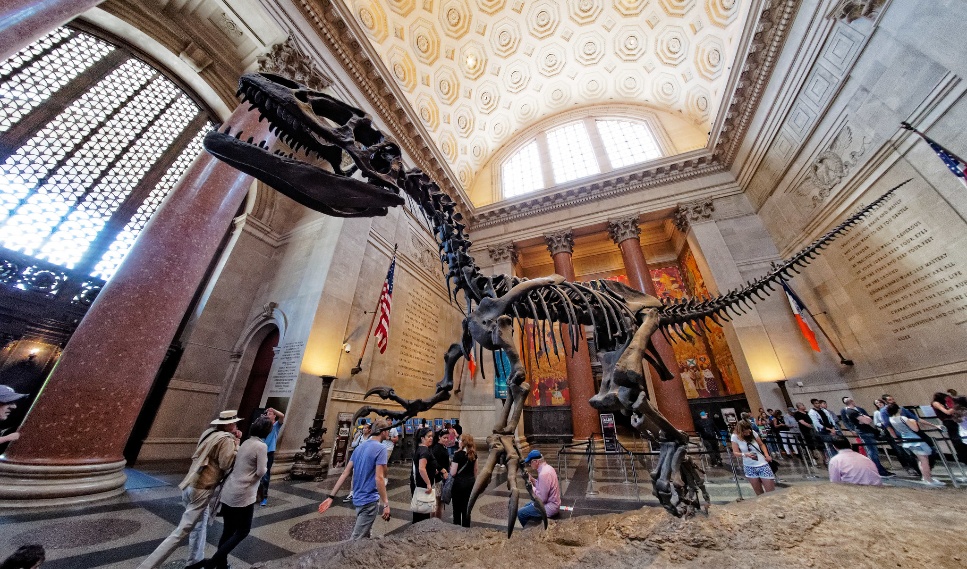
Top Museums Across America
From the National Mall to the Golden Gate — these are the museums worth planning a trip around.

Smithsonian National Air and Space Museum
The world's largest collection of aviation and space artifacts. See the Wright Brothers' plane, Apollo 11 command module, and touch a Moon rock. Free admission.

The Metropolitan Museum of Art
Over 5,000 years of art from every corner of the world. Ancient Egyptian temples, European masterpieces, and an incredible rooftop with Central Park views.
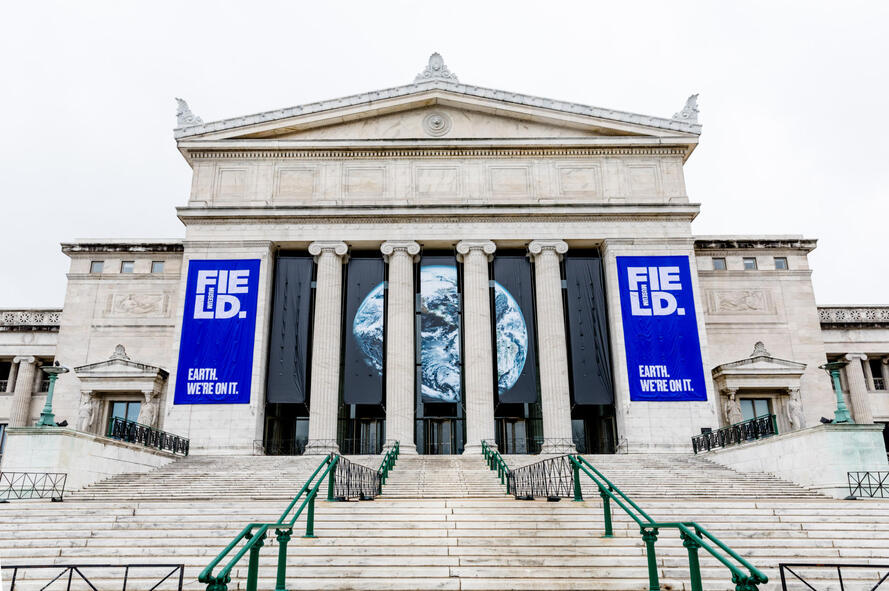
The Field Museum
Dinosaurs, ancient civilizations, and SUE — the most complete T. rex ever discovered. A Chicago must-see that brings natural history to life.

Exploratorium
San Francisco's hands-on science playground. Over 650 interactive exhibits exploring light, sound, motion, and human perception. A wonderland for curious minds.

National Museum of African American History and Culture
A powerful, moving journey through African American history. The Smithsonian's newest landmark is an architectural marvel and an essential American experience.
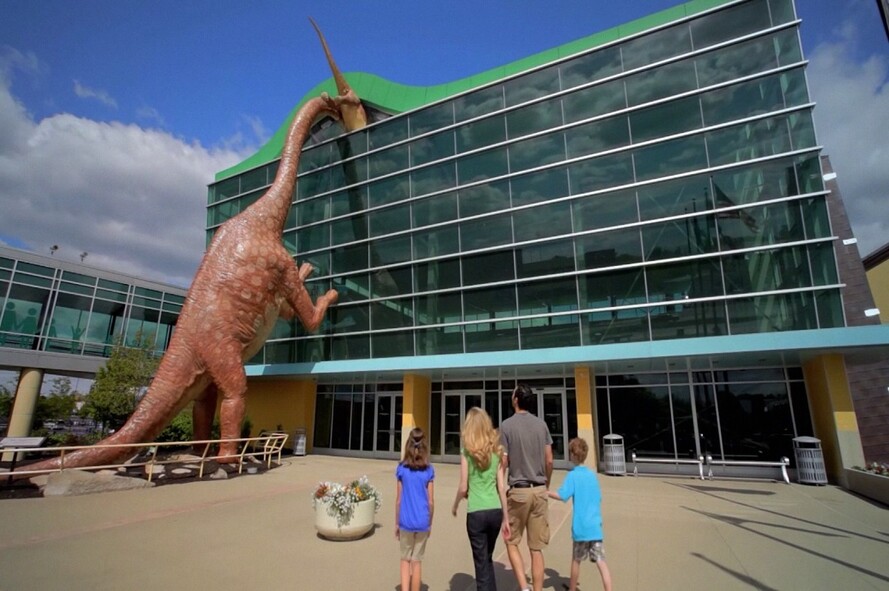
Children's Museum of Indianapolis
The largest children's museum in the world. Dinosaurs, a space mission exhibit, and hands-on science labs make this a family paradise.
Making the Most of Your Museum Visit
A great museum visit starts with a little planning. The biggest mistake visitors make is trying to see everything — even a modest museum can be overwhelming if you attempt to cover every gallery in a single visit. Instead, pick three to five must-see exhibits before you arrive and build your route around those highlights. Research these pieces or collections in advance to understand their significance and context, which will deepen your appreciation when you encounter them in person.
Arrive at opening time, especially on weekends and during tourist season. Major museums like The Met and the Air and Space Museum can draw enormous crowds by midday, with lines snaking around blocks and galleries becoming shoulder-to-shoulder. Weekday mornings are ideal for a quieter, more contemplative experience where you can actually spend time with artworks without jostling for position. Check the museum’s website before your visit — many offer free admission days, late-night hours with special programming including live music or gallery talks, or timed entry tickets that let you skip the general line and guarantee admission during peak periods.
Download the museum’s app or grab a paper map at the entrance. Most major museums have excellent self-guided tour options with curated routes organized by theme, time period, or visitor interest level. Audio guides are worth the small fee — they add context, tell backstories, and share curatorial insights that transform a walk through galleries into a rich storytelling experience narrated by experts, artists, or even the curators themselves. Some museums offer family-friendly audio tours with content designed specifically for younger ears.
Take breaks. Museum fatigue is real, and research shows that attention and retention plummet after about 90 minutes of continuous viewing. A coffee in the cafe or a stroll through the sculpture garden can reset your energy and attention, allowing you to return to the galleries refreshed. Many museum restaurants have evolved into dining destinations in their own right, offering menus that sometimes reflect the museum’s collection themes. Use restrooms when you find them — in sprawling institutions, facilities may be few and far between in certain wings.
Consider strategic timing for blockbuster exhibitions. Special shows often require separate tickets and can be impossibly crowded during their run. If possible, visit during the final week when the initial rush has subsided, or during late-night openings when museums extend hours specifically for popular exhibitions. Join a guided tour at least once during your visit. While self-guided exploration offers freedom, docent-led tours provide expert insights, point out details you’d otherwise miss, and answer questions in real-time, adding layers of understanding that enrich the entire experience.
Bucket List Museum Experiences
Stand Beneath a T. rex at The Field Museum: SUE is the largest, most complete Tyrannosaurus rex skeleton ever found — 40 feet long and 13 feet tall at the hip, with over 90% of the bones recovered intact. Standing beneath this apex predator is a humbling, unforgettable experience that connects you directly to the Cretaceous period 67 million years ago. The Field Museum’s exhibit explores how SUE lived, hunted, and died, incorporating the latest paleontological research. Children stand transfixed, adults feel small, and everyone leaves with a renewed sense of Earth’s deep history and the fragility of existence.
See the Wright Flyer at the Air and Space Museum: The original 1903 Wright Flyer hangs in the main hall of the Smithsonian’s most visited museum. It’s the actual aircraft that made history at Kitty Hawk on December 17, 1903, when Orville Wright piloted the first powered, controlled flight in human history — and it’s free for anyone to see. The fragile wood-and-fabric construction seems impossibly delicate to have changed the world so profoundly. Nearby exhibits trace aviation’s explosive evolution from those 12 seconds aloft to supersonic jets and space exploration, creating a narrative arc of human ingenuity compressed into barely over a century.
Walk Through an Egyptian Temple at The Met: The Temple of Dendur is an entire ancient Egyptian temple, dismantled stone by stone and rebuilt inside a sunlit gallery overlooking Central Park. It’s one of the most photographed museum exhibits in the world, and experiencing it in person reveals why — the temple’s massive sandstone blocks, covered in hieroglyphic inscriptions, create an atmosphere that transcends typical museum display. Built around 15 BC, the temple was a gift from Egypt to the United States in recognition of American assistance in saving archaeological sites threatened by the Aswan Dam. The reflecting pool and dramatic lighting evoke the Nile setting, creating a meditative space where ancient and modern worlds converge.
Explore the Tinkering Studio at the Exploratorium: This hands-on maker space lets visitors of all ages build circuits, create marble machines, experiment with light and shadow, and investigate real scientific phenomena through tactile exploration. It captures the playful, curious spirit that makes the Exploratorium legendary among science museums worldwide. There are no wrong answers here — failure is celebrated as part of the learning process. Staff members circulate to offer gentle guidance without directing outcomes, fostering genuine inquiry. The Tinkering Studio embodies the museum’s founding philosophy that understanding comes through doing, and that science is not a collection of facts but a way of asking questions about the world.
Reflect at the Contemplative Court in the African American History Museum: After moving through powerful galleries documenting enslavement, segregation, resistance, and resilience — after encountering Emmett Till’s casket, Harriet Tubman’s hymnal, and the lunch counter from the Greensboro sit-ins — this quiet space with water cascading from above offers a place for reflection and processing. It’s one of the most emotionally resonant museum experiences in the country, designed intentionally as a space for healing and contemplation. The sound of water, the filtered light, and the simple seating create an environment where visitors can sit with difficult emotions before continuing to the upper floors celebrating African American culture, achievement, and joy.
Visiting Museums with Kids: Tips & Tricks
Museums can be magical for children — but they can also be intimidating or overwhelming without the right approach. The key is matching the museum to your child’s age and interests rather than dragging them through adult-centered spaces that don’t speak to their developmental stage. Children’s museums and science centers are obvious starting points, purpose-built around interactive learning and designed at child scale. But even world-class art museums have family programs, scavenger hunts, hands-on activity centers, and specially designed gallery guides for young visitors.
Before your visit, explore the museum’s website together. Let kids pick one or two exhibits they’re excited about — whether it’s seeing real mummies, finding animals in paintings, or learning about volcanoes — giving them agency in the planning builds anticipation and engagement. This investment in the experience makes them active participants rather than reluctant tagalongs. Read a picture book about the museum topic beforehand to build background knowledge and vocabulary. A child who knows what to expect is a child prepared to learn.
Keep visits short, especially for first-timers. For children under 10, 90 minutes to two hours is usually the sweet spot before attention starts to fade and behavior deteriorates. Plan a snack break midway through — hunger is the enemy of learning, and many museums have family-friendly cafes or outdoor spaces where kids can recharge. Don’t try to see everything. Focus on quality over quantity, spending real time with fewer objects rather than rushing past hundreds.
Many museums offer family backpacks with activity cards, binoculars for examining details, sketch pads and drawing materials, puzzles, and themed games — ask at the information desk when you arrive. Photography is usually allowed in permanent collections (without flash), and giving kids a camera or phone to document their favorite objects turns passive viewing into active exploration and creative expression. Challenge them to photograph five things that are blue, or find the oldest object in a gallery, or capture something that makes them laugh.
Set clear behavioral expectations before entering: indoor voices, gentle hands, walking feet. But also give kids permission to respond authentically — museums aren’t libraries where silence is mandatory. Questions, observations, and age-appropriate excitement are all welcome. When children get restless, find the most interactive elements the museum offers, whether that’s a digital touchscreen, a hands-on discovery cart staffed by educators, or a sculpture courtyard where movement is acceptable.
Finally, don’t skip the gift shop. A small souvenir — a postcard of a favorite painting to hang in their bedroom, a polished rock from the geology exhibit, or an activity book related to what they’ve seen — helps cement the memory long after the visit ends and creates a tangible connection to the experience. The goal isn’t to create miniature art historians or scientists in a single visit, but to plant seeds of curiosity and build positive associations with cultural institutions that will grow throughout their lives.
Frequently Asked Questions
Are museums free in the USA?
Many Smithsonian museums in Washington, D.C. are always free. Other major museums have suggested donations, free admission days, or discounted evening hours. Check individual museum websites for details.
How much time should I plan for a museum visit?
Most visitors spend 2 to 4 hours. Large museums like The Met can easily fill an entire day. If you’re short on time, pick 3 to 5 highlights rather than trying to see everything.
Are museums good for young children?
Absolutely. Science centers and children’s museums are specifically designed for young visitors. Even traditional museums offer family programs, hands-on activity zones, and scavenger hunts.
Can I take photos inside museums?
| Photography without flash is generally allowed in permanent collections. Special exhibitions, however, often prohibit photography — check the signs at each gallery entrance. |
Should I buy tickets in advance?
Yes, especially for popular museums during peak seasons. Timed entry tickets guarantee admission and often let you skip the general line.
Are museums accessible for wheelchairs and strollers?
Most major museums are fully accessible with elevators, ramps, and wheelchair rentals. Strollers are generally permitted, though some crowded galleries may ask you to park them in designated areas.