
LEGOLAND Parks: The Ultimate Guide for Families
Built for kids, loved by all — everything you need to know about LEGOLAND resorts, rides, hotels, and ticket deals across the USA.
Built for Kids 2–12
Every ride, show, and attraction is designed specifically for young families — no "too scary" surprises.
Interactive LEGO Worlds
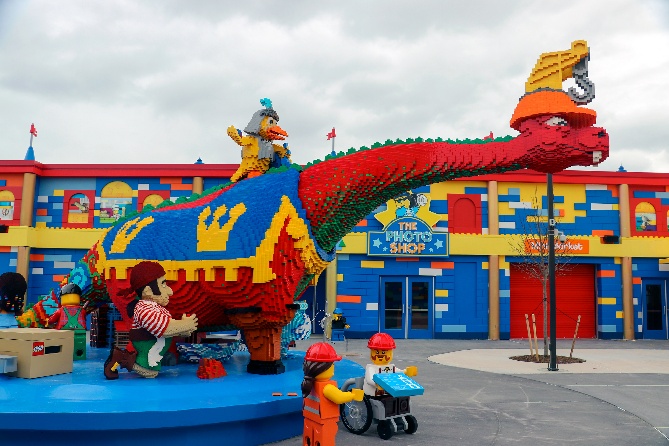
Hands-on building zones, LEGO-themed lands, and millions of bricks everywhere you look.
Water Parks Included
Many LEGOLAND resorts include adjacent water parks with slides, wave pools, and splash zones.
Themed Resort Hotels
Sleep in pirate, kingdom, or LEGO Friends-themed rooms just steps from the park gates.
Educational Fun
STEM workshops, driving schools, and creative building challenges disguise learning as pure fun.
- Kid-Friendly Factor: 10/10
- Family Appeal: 9/10
- Thrill Rides: 5/10
- Value for Money: 8/10
- Locations: California, Florida, New York
- Opened: First park in 1968 (Billund, Denmark); California in 1999
- Highlight: Miniland USA — iconic American cities built from millions of LEGO bricks
- Best For: Families with children ages 2–12
- Price Range: $85–$110 per person (discounts available online)
- Hours: Typically 10:00 AM – 5:00 PM (varies by season and location)
A Theme Park Built Brick by Brick
LEGOLAND is not just a theme park — it is an immersive world of creativity designed from the ground up for families with young children. Unlike parks that try to appeal to everyone, LEGOLAND unapologetically focuses on kids ages 2 to 12, creating an environment where everything is their size, their speed, and their idea of fun.
The parks are built around the iconic LEGO brick, and that spirit of building and imagination infuses every land, ride, and show. From driving your own LEGO car at Driving School to riding a real coaster through a LEGO dragon’s castle, the attractions balance gentle thrills with hands-on interactivity. Miniland USA — present at every LEGOLAND resort — recreates iconic American skylines entirely from LEGO bricks, and it is genuinely awe-inspiring for visitors of any age.
What sets LEGOLAND apart is its commitment to interactivity and creative play. The parks encourage children to build, imagine, and explore at their own pace. Nearly every attraction incorporates building stations, interactive play zones, or hands-on elements that transform passive riders into active participants. The Builder’s Workshop offers supervised LEGO building sessions led by Master Model Builders who share professional techniques. Kids can watch these experts construct impressive models piece by piece, then try their hand at similar challenges. The atmosphere is deliberately unhurried, recognizing that children need time to engage with experiences rather than rush from one attraction to the next.
The scale of LEGOLAND parks makes them ideal for families who find larger theme parks overwhelming. Most LEGOLAND properties can be thoroughly explored in one or two days, eliminating the multi-day commitment and expense required at mega-resorts. Walking distances between attractions are manageable for small children, and the park layout is intuitive with clear sightlines and navigation. Stroller parking is plentiful, bathrooms are frequent and well-maintained, and nursing rooms provide comfortable spaces for parents with infants. The food offerings, while typical theme park fare, include healthy options and accommodate common allergies with clearly marked menus.
In the United States, LEGOLAND operates three distinct destinations: the flagship LEGOLAND California Resort in Carlsbad, the tropical LEGOLAND Florida Resort in Winter Haven, and the newest addition — LEGOLAND New York Resort in Goshen. Each park features a water park, a themed hotel, and unique attractions you will not find at the other locations. Whether you are planning a first trip or adding a new LEGOLAND to your collection, our guide covers everything you need to know.
The California location, opened in 1999, was built on the former site of the historic Belmont Park and benefits from San Diego’s year-round mild climate. The Florida resort, which debuted in 2011, occupies the former Cypress Gardens property and incorporates botanical gardens with century-old banyan trees throughout the park. The New York resort, opened in 2021, was purpose-built from scratch and represents the most modern iteration of the LEGOLAND concept with cutting-edge ride technology. Each location reflects its regional setting — California celebrates the West Coast, Florida embraces its tropical environment with extensive outdoor water features, and New
York showcases Hudson Valley theming with seasonal considerations built into attraction design.
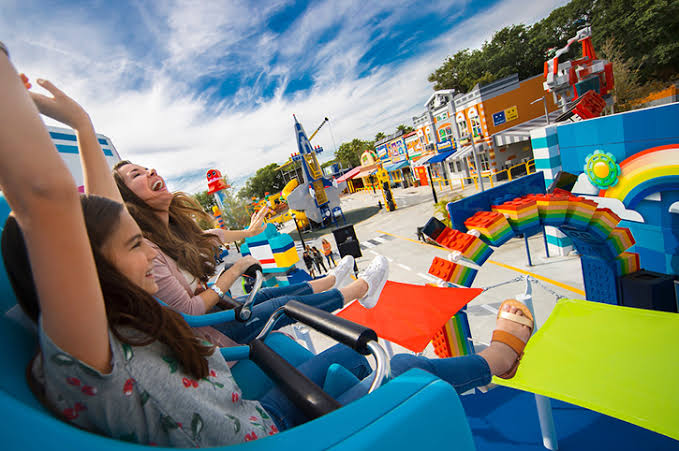
Explore LEGOLAND Parks in the USA
Three unique resorts, one brick-tastic experience. Each park has its own personality and exclusive attractions.
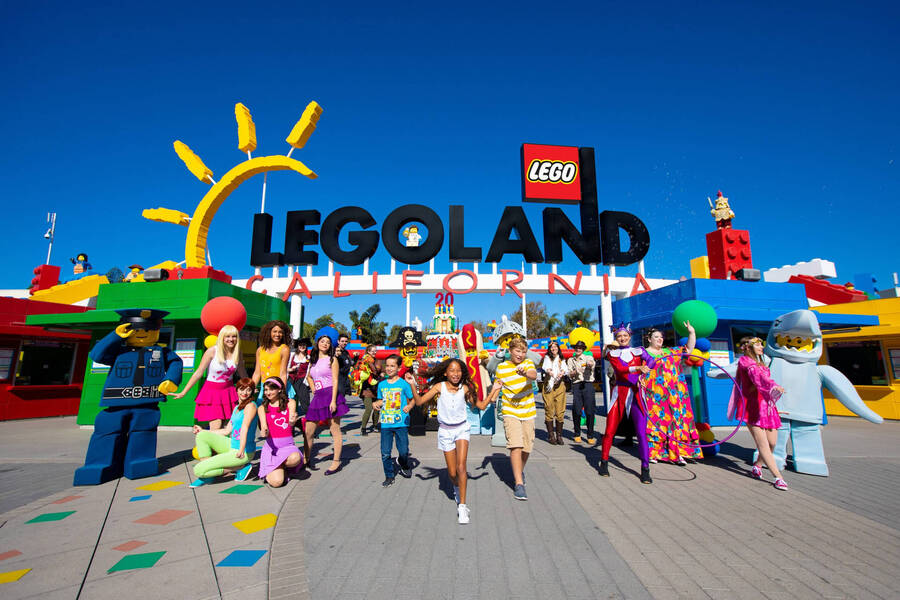
LEGOLAND California
The original American LEGOLAND. Features the new Dino Valley land, Ninjago World, and a massive Sea Life Aquarium. The adjacent water park and LEGOLAND Castle Hotel make it a multi-day destination.
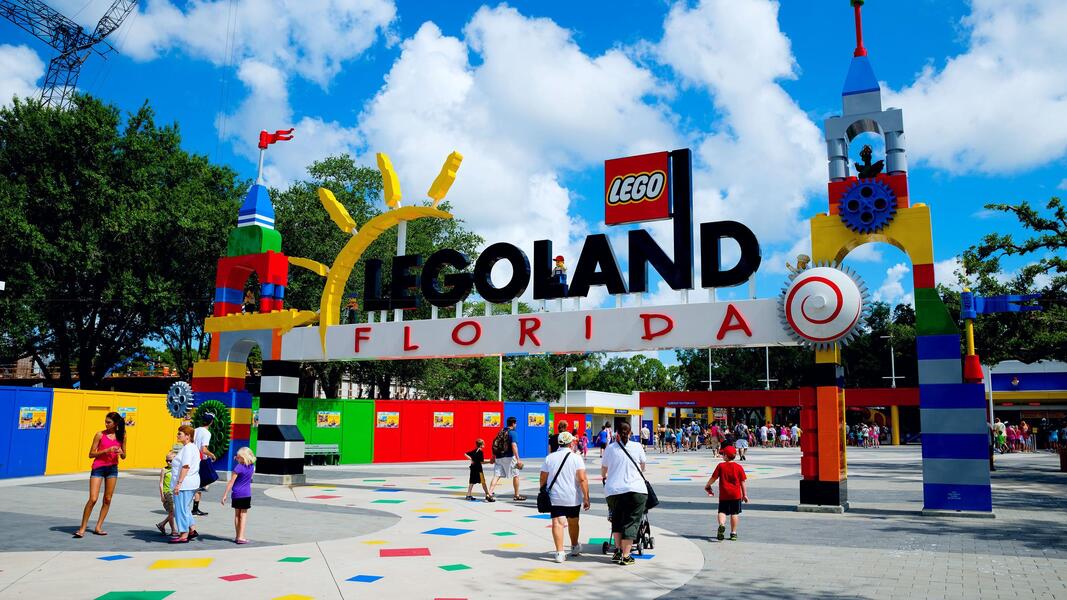
LEGOLAND Florida
Set on the historic Cypress Gardens grounds, this park blends botanical beauty with LEGO fun. Home to the LEGO Movie World, a beautiful water park, and the Pirate Island Hotel.
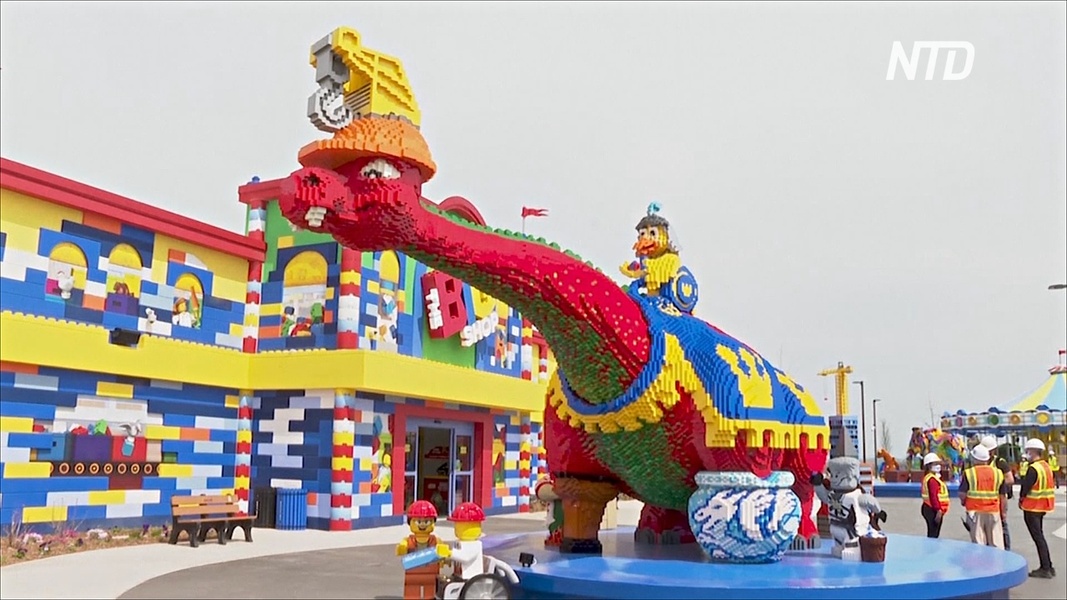
LEGOLAND New York
The newest US park, opened in 2021. Features seven themed lands including LEGO City, Brick Street, and a unique Miniland showcasing East Coast landmarks.
Tips for the Perfect LEGOLAND Day
LEGOLAND parks are smaller and more manageable than the mega-parks of Disney and Universal — and that is precisely their strength with young children. You can experience most attractions in a single day without exhausting little legs or burning out on long lines.
Arrive 15 to 20 minutes before the published opening time. The gates often open slightly early, and the first hour is the quietest. Head to the back of the park first — most families stop at the first rides they see. At LEGOLAND California, make a beeline for Dino Valley or The Dragon coaster. At LEGOLAND Florida, start with the LEGO Movie World attractions before they build a wait. At LEGOLAND New York, the LEGO Factory Adventure Ride draws the longest lines.
Strategic planning transforms a good day into an exceptional one. Pack your own snacks and water bottles — LEGOLAND allows outside food, unlike many competitors. This saves money and ensures picky eaters have familiar options. Bring a change of clothes for young children, as many attractions incorporate water elements that leave kids soaked. Sunscreen and hats are essential even on overcast days, particularly in California and Florida where UV exposure is significant.
Download the LEGOLAND app for ride wait times, show schedules, and an interactive map. Unlike Disney and Universal, LEGOLAND does not use a virtual queue or line-skip system — everything is standby. The parks are highly seasonal, with many operating on a limited schedule during winter months. Weekdays outside of school holidays are your best bet for minimal crowds.
The app also features a digital scavenger hunt that leads families to hidden details throughout the park, adding an extra layer of engagement beyond the attractions themselves. Reserve-N-Ride, when available during peak periods at certain locations, allows you to reserve return times for select attractions through the app — essentially creating your own FastPass schedule without additional cost. Check the app the night before your visit for any maintenance closures or special events that might affect your plans.
Pace yourself with strategic breaks. The LEGO-themed playground areas scattered throughout each park provide excellent opportunities for children to burn energy while parents rest on nearby benches. These play zones are climate-controlled at the Florida location and shaded at California. Schedule your visit to Miniland during the hottest part of the day, as it provides shade and requires less physical activity than rides. Indoor attractions like LEGO Ninjago or submarine rides offer air-conditioned respite during summer visits.
Consider the park + water park combo ticket. LEGOLAND water parks are excellent for young children, with gentle slides and splash zones alongside a few family thrill rides. Even on a hot day, the water park rarely feels as overwhelmingly crowded as larger competitors.
The water parks typically open later than the main park (usually 10 or 11 AM) and are included with upgraded tickets or can be added to standard admission. They feature buildable LEGO rafts at the Build-A-Raft River, duplo-themed splash areas for toddlers, and family slides where parents and children ride together. Lockers, changing rooms, and towel rentals are available but come at additional cost — bring your own beach towels to save money. The water parks close earlier than the main park, so plan to visit the water attractions mid-day and return to dry rides in the late afternoon when water park crowds thin out the main park queues.
Must-Do Rides and Experiences at LEGOLAND
Miniland USA: Every LEGOLAND park has a Miniland, and it is the heart of the experience. Entire American cities — San Francisco, New York, Las Vegas, Washington D.C. — recreated in stunning detail from millions of LEGO bricks. Look for interactive buttons that animate scenes and moving vehicles weaving through the miniature streets. This is where kids and adults alike stop and stare.
The level of detail in Miniland is staggering. Master Model Builders spend thousands of hours constructing each building, incorporating working lights, moving elements, and hidden jokes throughout the displays. At LEGOLAND Florida, Miniland includes recreations of Kennedy Space Center complete with a launching shuttle, while California’s version features a bustling San Francisco with cable cars climbing the hills and boats moving through the bay. The New York location naturally emphasizes Empire State landmarks with Times Square, the Statue of Liberty, and Brooklyn Bridge rendered in miniature.
Day-to-night transition shows occur throughout the day at Miniland, where lighting effects transform the displays as street lights illuminate, building windows glow, and the entire cityscape comes alive. These shows typically run every 30-45 minutes and last about five minutes. Parents appreciate that Miniland has no height restrictions and provides comfortable viewing areas where everyone in the family can participate equally. The photo opportunities are exceptional — the forced perspective angles allow for creative pictures of children “holding” skyscrapers or standing among the tiny buildings.
The Dragon Coaster: A perfect “first roller coaster” for young riders. This indoor-outdoor coaster takes you through a LEGO castle filled with animated dragons, knights, and treasure before a gentle outdoor section with just enough speed to thrill without terrorizing. Height requirement is usually 40 inches, making it accessible to many 4-year-olds.
The coaster’s genius lies in its graduated thrills. The indoor section builds anticipation with medieval theming and glowing eyes peering from the darkness, while the outdoor portion delivers just enough speed and small drops to feel exciting without overwhelming nervous first-timers. The entire ride lasts approximately two minutes, long enough to feel substantial but short enough that anxious children do not have time to work themselves into panic. Parents under 56 inches must ride, allowing nervous children to have a trusted adult beside them. Many families ride Dragon multiple times once initial apprehension fades, using it as a gateway to more intense coasters elsewhere in the park.
Driving School: Kids get behind the wheel of their own LEGO car and navigate a mini city with traffic lights, intersections, and stop signs. At the end, they receive an official LEGOLAND driver’s license. A junior version is available for younger children. It is consistently the most requested repeat attraction.
The Driving School experience is genuinely educational while remaining entertaining. Children learn basic traffic rules, practice stopping at red lights, and navigate around other drivers in electric cars that reach about 3 mph. The course includes recognizable road features like crosswalks, yield signs, and lane markings. Instructors provide brief safety talks before releasing young drivers onto the course, and the cars are programmed to automatically stop if children drive off-course or create unsafe situations. The driver’s license photo opportunity at the end allows children to pose with their newly earned credential, creating a memorable souvenir. Lines for Driving School can stretch to 45 minutes during peak times, so visit early or during meal times when waits drop significantly.
LEGO Ninjago The Ride: An interactive dark ride where hand gestures — no wands or triggers — launch fireballs at enemies on screen. Riders compete in teams of four. It is surprisingly exhausting and endlessly replayable, as kids try to beat their high score.
The motion-tracking technology in Ninjago represents a significant technological achievement. Cameras and sensors detect hand movements and translate them into on-screen actions with minimal lag. The ride accommodates different skill levels — wild flailing works for young children while precise movements yield higher scores for older kids and adults who develop technique. Each of the four riding positions offers slightly different gameplay with unique abilities, encouraging families to ride multiple times and experience different roles. The queue includes training sessions where children practice hand movements before boarding, and post-ride score displays spark friendly competition. The attraction is fully air-conditioned, making it a welcome respite during hot weather, and the 48-inch height requirement is one of the park’s more restrictive, ensuring riders have sufficient coordination for the interactive elements.
LEGO Factory Adventure Ride (New York exclusive): An innovative trackless dark ride that transforms riders into LEGO minifigures through on-ride motion tracking technology. Professor Brick guides you through the factory, and at the end, you see your minifigure self on screen. It is one of the most technologically impressive attractions in any LEGOLAND worldwide.
The Factory Adventure showcases LEGOLAND’s commitment to innovation at its newest property. The trackless ride system allows vehicles to move independently, creating the illusion of chaos and spontaneity as ride vehicles split apart, move sideways, and reunite in choreographed patterns. The personalization element — seeing yourself rendered as a LEGO minifigure — delights children and adults equally. The ride uses facial scanning technology during the queue, then processes those images throughout your journey before revealing customized minifigures on a final screen where guests can see themselves transformed. The technology occasionally falters during peak times when queue lines move quickly, but Cast Members can typically rescan guests who missed the initial capture. The ride’s story takes guests through various factory departments including design, testing, and packaging, providing an entertaining behind-the-scenes look at LEGO production with exaggerated comedic elements.
Sleep Inside a World of LEGO: On-Site Hotels
LEGOLAND resort hotels are attractions in their own right. Each property is drenched in LEGO theming, from giant brick sculptures in the lobby to in-room treasure hunts that unlock a surprise. The hotels are steps from the park entrance, and Early Access — a 30-minute head start on select rides — is included for hotel guests.
LEGOLAND Castle Hotel (California) transports families into a world of knights, wizards, and dragons, with themed rooms that separate kids’ sleeping areas with bunk beds and their own TV. LEGOLAND Hotel (Florida) features rooms themed around pirates, kingdoms, LEGO Friends, and Ninjago, with nightly children’s entertainment in the lobby. The Pirate Island Hotel (Florida) is a newer addition with swashbuckling decor and a pool deck overlooking Lake Dexter. LEGOLAND Hotel (New York) opened alongside the park with similar themed room categories and a pool.
All LEGOLAND hotels include free breakfast, nightly LEGO building competitions, character meet-and-greets, and separate sleeping areas for kids — a small touch that makes a huge difference for family comfort. Off-property hotels in the surrounding areas are cheaper but lack the immersive LEGO experience and early park access.
The in-room treasure hunts deserve special mention as they epitomize the attention to detail LEGOLAND brings to the hotel experience. Upon check-in, families receive clues leading to hidden safes or compartments within their rooms. Children search for numbered codes, solve riddles, and explore every nook of the themed space before unlocking a small LEGO set prize. This simple addition keeps children entertained during downtime and makes the hotel room itself an attraction rather than just a place to sleep.
Breakfast buffets at LEGOLAND hotels cater specifically to children with kid-height serving stations, familiar foods like waffles and fruit, and occasional character appearances from LEGO Friends or Ninjago characters. The breakfast setup reduces morning stress for parents — children can serve themselves age-appropriate portions while adults enjoy coffee and plan the day. Dietary restrictions are accommodated with clearly labeled allergen information and staff trained to assist families with special needs.
The pools at LEGOLAND hotels feature interactive elements that extend the LEGO theme into recreational swimming. DUPLO play areas provide safe splash zones for toddlers, while older children enjoy diving for LEGO pieces or building floating creations on special tables. The pool areas never feel overcrowded due to capacity limits enforced by lifeguard staff, and the shallow entry sections allow even non-swimming children to participate safely. Poolside activities including LEGO building contests and games are scheduled throughout the day, led by energetic hotel staff who keep children engaged.
Evening entertainment transforms hotel lobbies into community spaces where families gather after park close. Dance parties, building challenges, and character interactions provide structured activities that give parents a break while children socialize with other young guests. The entertainment is optional — families can retreat to rooms whenever needed — but it adds value to the hotel stay and helps children wind down after stimulating park days. Many families report that their children request staying at the LEGOLAND hotel specifically for these evening activities rather than any specific park attraction.
Room rates at LEGOLAND hotels are comparable to mid-range Disney or Universal properties but include more perks like breakfast and early park access. Off-peak pricing during weekdays and non-holiday periods can make on-site stays surprisingly affordable, sometimes only marginally more expensive than nearby chain hotels when the included benefits are factored into total vacation cost. Booking directly through LEGOLAND’s website often yields better rates than third-party travel sites, and annual passholders receive additional discounts. The proximity to park gates cannot be overstated — families can return to rooms for midday naps or forgotten items within minutes, a luxury that off-property hotels cannot match.
Frequently Asked Questions
What age is LEGOLAND best for?
Children ages 2 to 12 get the most out of LEGOLAND. Most rides are designed with a 40-inch height requirement or lower, making them accessible to preschoolers. Teenagers and adults without kids may find the park too gentle compared to larger theme parks.
How is LEGOLAND different from Disney or Universal?
LEGOLAND is intentionally smaller, less crowded, and geared toward younger children. There are no big thrill rides, fewer dining reservations to stress about, and no complex line-skip system to navigate. It is a more relaxed, hands-on experience focused on creativity and play.
Can you visit LEGOLAND in one day?
Yes. All three US parks are comfortably doable in one full day, especially if you arrive at opening. Adding the water park extends the visit to two days, which is common for families on vacation.
Is there a LEGOLAND for adults?
Adults who love LEGO will appreciate Miniland and the building workshops, but the rides are aimed squarely at children. Adult-only groups are rare. LEGOLAND Discovery Centers — smaller indoor attractions in various cities — sometimes host adult nights with building competitions and no kids allowed.
Do LEGOLAND hotels include park tickets?
Room-only bookings do not include tickets, but vacation packages bundle hotel, tickets, breakfast, and sometimes water park access at a discount. Packages are usually the better value.
Is LEGOLAND open year-round?
LEGOLAND California and Florida operate year-round with reduced hours in off-peak months. LEGOLAND New York closes during winter and reopens in spring. Always check the operating calendar before planning your trip.