
Best Observation Decks in the USA: Sky-High Views Across America
Discover the most breathtaking observation decks in the United States — from iconic skyscrapers to mountain-top viewpoints with panoramic city and natural vistas.
Iconic Skyscrapers
Stand atop the Empire State Building, Willis Tower, and Space Needle — America's most famous landmarks.
Unforgettable Photo Opportunities
Glass floors, open-air terraces, and 360-degree panoramas create once-in-a-lifetime images.
Sunset & Night Views
The best observation decks transform at golden hour and after dark when city lights stretch to the horizon.
Thrilling Glass Experiences
Walk on air at The Ledge in Chicago, lean out at Edge in New York, or ride a glass elevator 100 stories up.
Interactive Exhibits
Many decks include history exhibits, digital guides, and educational displays about architecture and the city below.
- View Quality: 10/10
- Wow Factor: 10/10
- Experience Length: 1–2 hours typically
- Value for Money: 7/10
- Top Cities: New York, Chicago, Seattle, Los Angeles, Las Vegas
- Price Range: $25–$75 per person
- Best For: Couples, photographers, first-time city visitors, families
- Highlight: Summit One Vanderbilt in New York — floor-to-ceiling mirrors, glass elevators, and an outdoor terrace 1,200 feet above Manhattan
- Best Time to Visit: One hour before sunset — catch daylight, golden hour, and city lights
Above It All — America's Greatest Observation Decks
There is something fundamentally thrilling about seeing a city from above. The cars become toys, the buildings become a forest of geometry, and the horizon stretches farther than seems possible. Observation decks distill that experience into a single, perfectly framed moment — step out of the elevator, walk to the edge, and look down at the world you were just walking through.
The United States is home to some of the most extraordinary observation decks on the planet. New York City alone has five world-class sky-high experiences, each offering a different perspective on the most famous skyline in the world. Chicago’s Willis Tower and 360 Chicago face off across the Loop, creating a rivalry that has pushed both to innovate with glass platforms and augmented reality features. Seattle’s Space Needle remains an icon of the Pacific Northwest, freshly reimagined with modern materials that honor its 1962 World’s Fair heritage. Los Angeles, Las Vegas, and Philadelphia have joined the observation deck race with stunning new venues that showcase their unique urban landscapes and natural surroundings.
The modern observation deck is not just a view — it is an experience. Summit One Vanderbilt in New York fills entire floors with mirrored art installations that blur the line between art gallery and observation platform, creating an otherworldly environment where you and the skyline multiply into infinity. The Edge at Hudson Yards features a triangular glass platform suspended 1,100 feet above the street, jutting out into space like the prow of a ship. Skydeck Chicago offers The Ledge — glass boxes that extend 4.3 feet out from the 103rd floor with nothing but air beneath your feet, creating a sensation that challenges even the most confident visitors. These are not passive viewpoints. They are attractions designed to quicken your pulse, to make you remember the moment your brain reconciled the safety you know with the exposure you see.
Beyond the thrills, observation decks serve as urban classrooms. Interactive exhibits explain how cities grow, how skyscrapers are built, and how weather patterns move across regions. Touchscreen displays identify landmarks in every direction. Historical photographs show the skyline’s evolution decade by decade. Many decks have adopted sustainability narratives, explaining green building practices and energy efficiency measures that make these towers possible. The educational component transforms what could be a simple photo opportunity into a deeper understanding of the city itself.
Our guide covers the best observation decks across America — what makes each one unique, when to visit for the best light, how to save on tickets, and what to expect when you arrive. Whether you are a first-time visitor to a city or a local who has never looked down, these sky-high experiences belong on your list. Each deck offers not just altitude, but a carefully curated perspective that captures something essential about the city it overlooks.
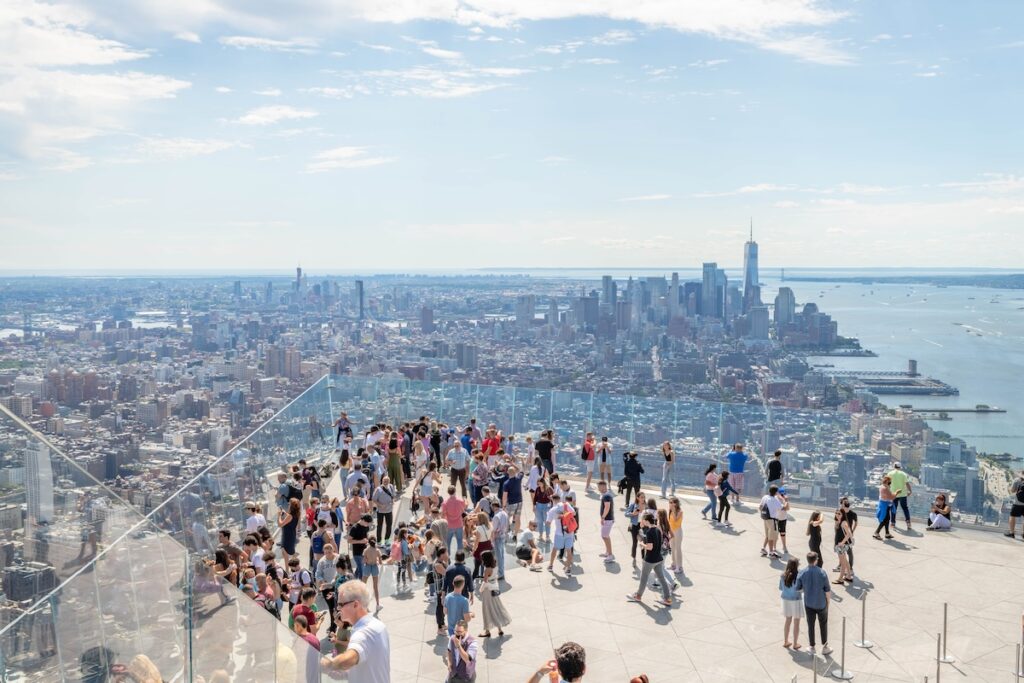
Top Observation Decks in America
From the East Coast to the West — the most breathtaking views in the United States.
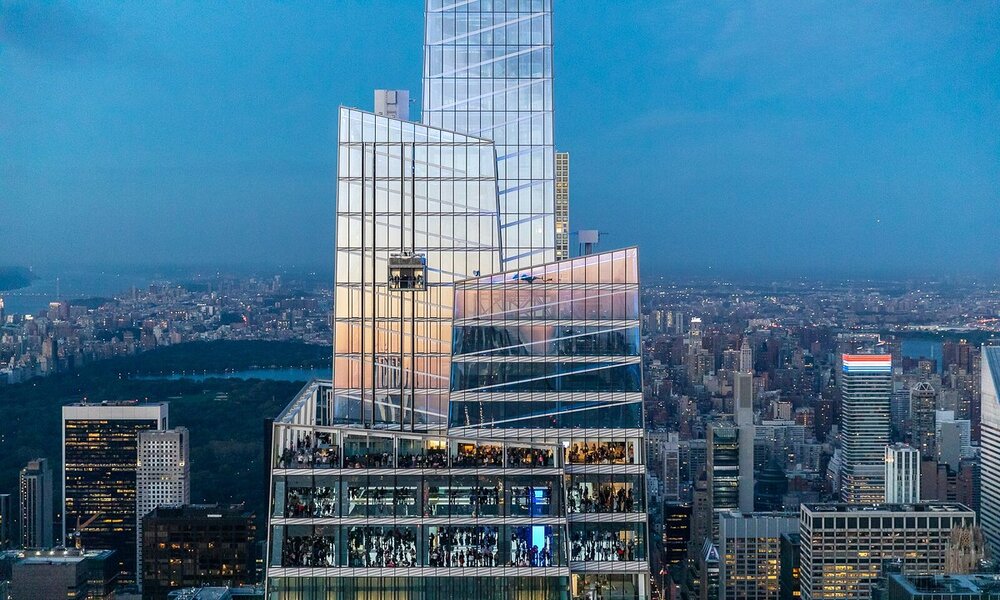
Summit One Vanderbilt — New York, NY
The newest and most innovative observation deck in Manhattan. Floor-to-ceiling mirrors, a glass elevator that climbs 1,200 feet, and an outdoor terrace with panoramic views of the Empire State Building and Central Park. The silver balloon room by artist Yayoi Kusama is a highlight.
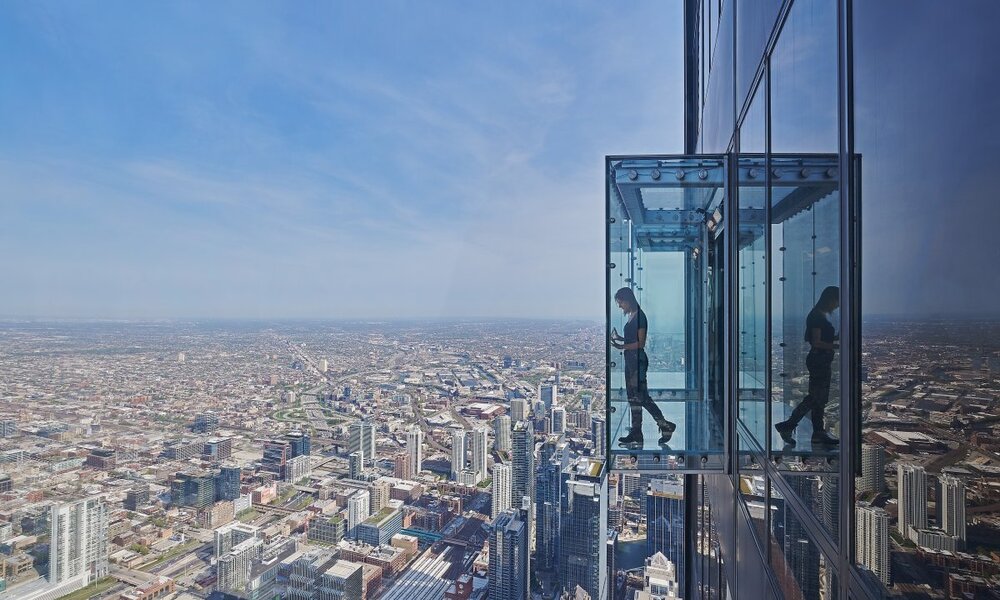
Skydeck Chicago — Willis Tower, IL
Stand on the 103rd floor of the tallest building in Chicago. The Ledge is a series of glass boxes that extend over the street — stand on clear glass and look straight down 1,353 feet. The view across Lake Michigan on a clear day is extraordinary.
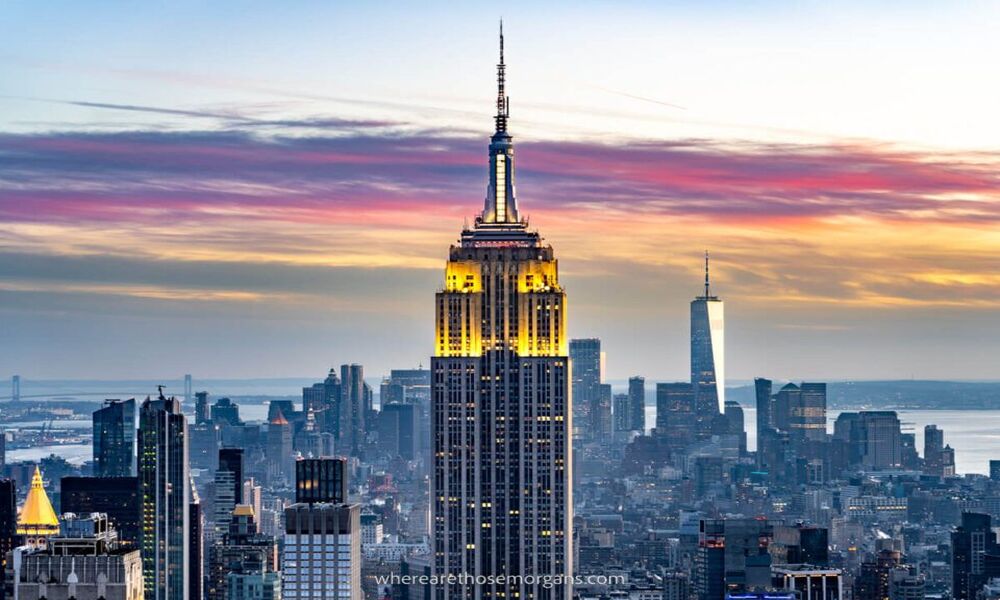
Empire State Building — New York, NY
The classic. Open since 1931, the 86th-floor open-air observatory and 102nd-floor indoor deck have welcomed hundreds of millions of visitors. Recently renovated with new exhibits. The view south toward One World Trade Center and north toward Central Park is iconic.
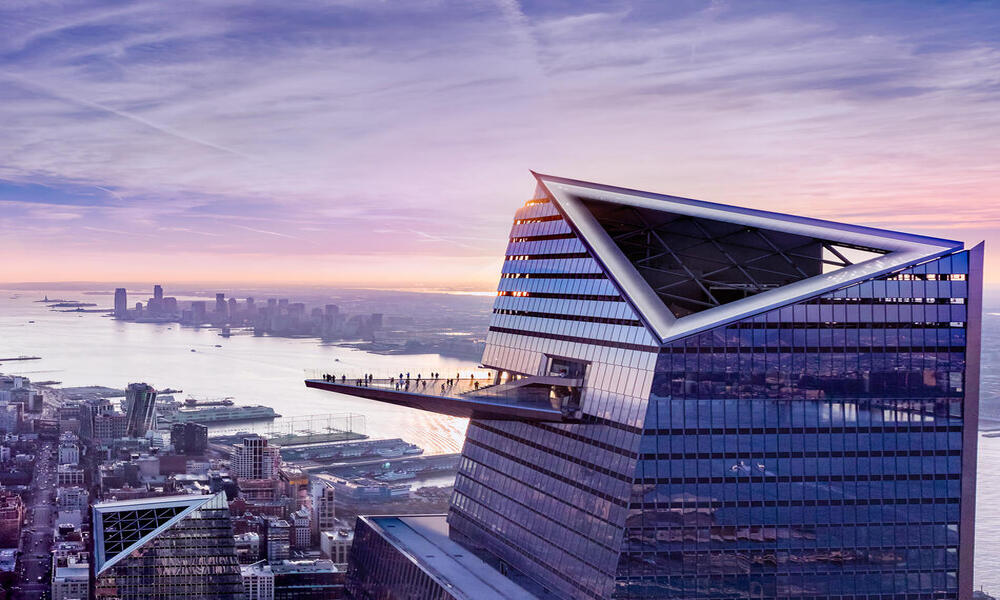
The Edge at Hudson Yards — New York, NY
The highest outdoor sky deck in the Western Hemisphere at 1,100 feet. The triangular platform extends out from the building with a glass floor section. Leaning out over the edge provides a unique perspective looking straight down.
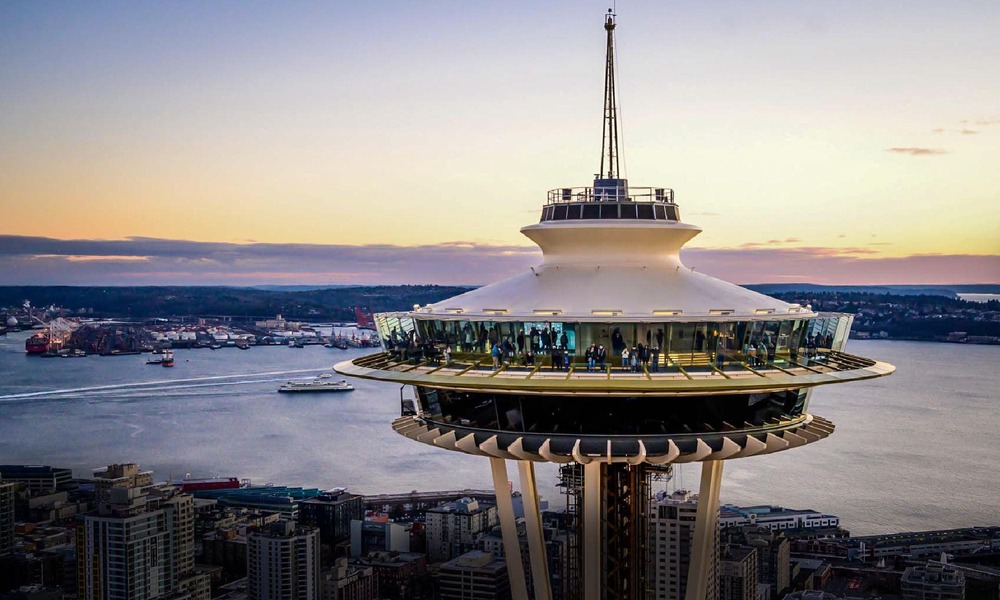
Space Needle — Seattle, WA
Seattle's defining landmark since the 1962 World's Fair. The 520-foot observation deck features floor-to-ceiling glass, an open-air deck with glass benches, and the world's first rotating glass floor. Views of Puget Sound, Mount Rainier, and the Seattle skyline.
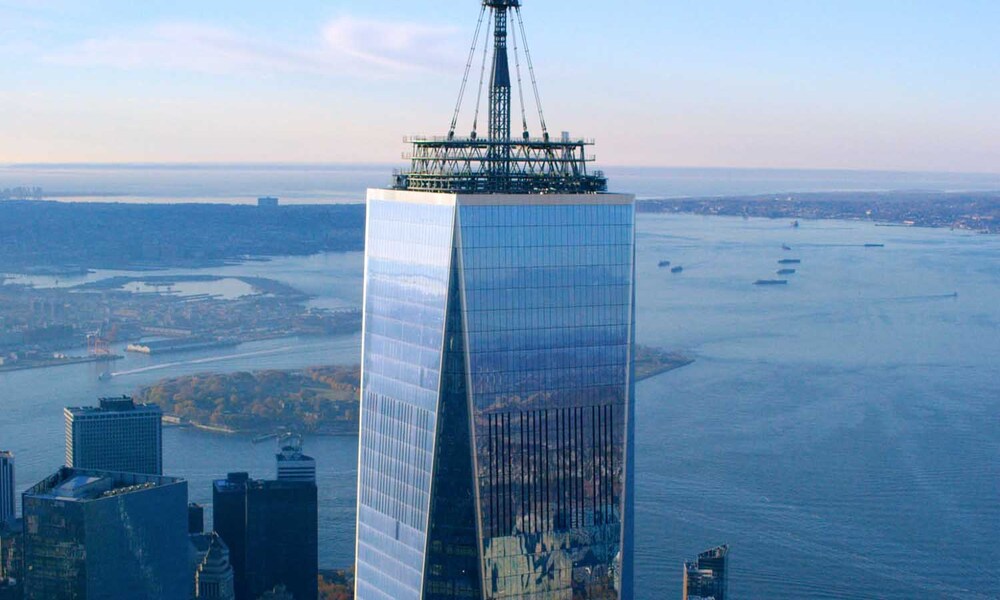
One World Observatory — New York, NY
Atop One World Trade Center on the 100th to 102nd floors. The elevator ride up shows a time-lapse of Manhattan's development. The See Forever Theater reveals the view dramatically. Panoramic views of the harbor, Brooklyn, and the Statue of Liberty.
Observation Deck Strategy: Timing, Tickets, and Pro Tips
The single most important decision for visiting an observation deck is timing. The best time to go is one hour before sunset. You will arrive in daylight, watch the sun sink below the horizon, and see the city lights come on. This window gives you three distinct experiences in one visit: golden hour, sunset, and nighttime city views. It is the most popular time slot at every observation deck in the world, so book in advance — often several days or even weeks ahead for weekend sunset slots during peak tourist seasons.
For those who prefer fewer crowds, early morning visits offer exceptional clarity. The air is cleanest before the day’s heat creates haze, and photographers often find the softest light between 8 and 10 AM. Midday visits work well in winter when the sun is lower and shadows add dimension to the urban landscape. Late-night visits, where available, provide a different energy — the city quieter, the lights sharper, the experience more contemplative.
Buy tickets online before your visit. Every major observation deck uses timed-entry slots, and walk-up tickets are more expensive and often sold out, especially for sunset slots. Most decks offer flexible-date tickets at a premium — typically $5 to $10 more than standard admission, but valuable insurance if your travel plans might change. Combo tickets that include multiple New York observation decks or city passes like CityPASS and Go City can save 20 to 40 percent if you plan to visit multiple attractions. Do the math before purchasing: a New York Pass might cost $130 but include $200 worth of individual admissions if you use it strategically.
Some observation decks offer package upgrades that include skip-the-line access, priority elevator boarding, or access to VIP lounges with complimentary beverages. Evaluate whether these premium options match your schedule and preferences. For popular decks during busy seasons, skip-the-line access can save 30 to 60 minutes of waiting. For others on slower days, the standard ticket moves quickly enough that premium access adds little value.
Weather matters. A cloudy or foggy day can ruin an observation deck experience. Most decks have live camera feeds on their websites — check the visibility before you go. If you have flexibility in your schedule, choose a clear day. Some observation decks allow date changes with advance notice, though policies vary widely. Winter tends to have the clearest skies in New York and Chicago, but it is also cold on outdoor decks — dress in layers and bring gloves if you plan to stay outside for more than a few minutes. Summer offers warmth and longer daylight but also higher humidity that can reduce visibility to a few miles instead of the 50-plus miles possible on crisp autumn days.
Wind is another factor, especially on open-air decks. Observation platforms typically close outdoor sections when winds exceed 40 to 50 mph for safety reasons. Check the forecast for high wind warnings. If you are visiting during unpredictable weather, call ahead to confirm that all sections of the deck will be accessible.
Arrive with time to explore. The best observation decks are more than just a viewpoint. Summit One Vanderbilt has multiple art installations that require time to experience fully — the mirrored rooms, the glass elevator ascent, the outdoor terrace, and the transparent lift to the highest point. One World Observatory has an immersive elevator ride with floor-to-ceiling video screens that show the rise of New York from bedrock to skyline, plus a multimedia theater that projects images across the room in a spatial introduction to the city. Skydeck Chicago has exhibits about the building’s history, engineering diagrams, and interactive displays about Chicago’s architectural legacy. Budget 60 to 90 minutes for the full experience, not just a quick look out the window.
Photography tips: clean your phone lens before you go — smudges and fingerprints turn city lights into blurry halos. Shoot through glass at an angle to minimize reflections, or use your hand or a jacket as a lens hood pressed against the glass. For open-air decks, hold your phone securely — drops happen, and observation decks have seen phones, sunglasses, and hats disappear into the void below. Tripods and selfie sticks are generally prohibited for safety and crowd management reasons. The best photos are often taken during blue hour — the 20 to 30 minutes after sunset when the sky is deep blue and the city lights are fully illuminated, creating a perfect balance of ambient light and artificial glow that flatters both landscape and portrait shots.
Consider bringing binoculars or downloading augmented reality apps that identify buildings and landmarks when you point your phone at them. Many observation decks provide these tools, but having your own enhances the freedom to explore at your own pace.
Which New York Observation Deck Is Right for You?
New York City has five major observation decks, each offering a completely different experience. Choosing the right one depends on what you want from your sky-high visit, your budget, and how much spectacle versus tradition you prefer.
Summit One Vanderbilt is the newest and most innovative, opened in 2021 adjacent to Grand Central Terminal. The mirrored rooms create infinite reflections of yourself and the skyline, a surreal environment where floor, ceiling, and walls disappear into shimmering repetitions. The glass elevator on the outside of the building is thrilling — you ascend exposed to the skyline, watching the city drop away beneath transparent floors. The outdoor terrace has the best view of the Empire State Building, framed perfectly to the south. It is the most Instagram-friendly deck, designed with social media moments built into every corner. The experience is highly designed — some visitors find it overwhelming, more art installation than observation deck, and the timed flow through rooms can feel rushed. If you want spectacle, cutting-edge design, and a multisensory experience that goes beyond just looking at buildings, choose Summit.
The Empire State Building is the classic, the observation deck that defines the category. The 86th-floor open-air deck is wrapped in a cage that has appeared in countless movies, from *Sleepless in Seattle* to *King Kong*. The 102nd-floor indoor deck is smaller and more intimate, with floor-to-ceiling windows that curve around the pinnacle of the building. The recently renovated exhibits on the way up are excellent, covering the building’s construction, its place in popular culture, and its role in New York’s identity. Expect crowds, especially at sunset — this is the most visited observation deck in the city. If you want history, that iconic New York moment, and the feeling of standing where millions have stood before, choose the Empire State Building. Note that lines can be significant even with timed tickets; express passes are worth considering during peak times.
Top of the Rock has the best unobstructed views. The three levels of outdoor terraces at Rockefeller Center have clear glass panels that do not block photos — no cages, no wire mesh, just clean sightlines in every direction. The view of the Empire State Building framed by Central Park is the definitive New York photograph, the image that appears on postcards and travel guides. The experience is more relaxed and less crowded than the other decks, partly because Rockefeller Center controls visitor flow more carefully and partly because the space is generous and well-designed. The deck also provides excellent views of Midtown’s architectural canyon, giving you a sense of being within the city rather than above it. If you want the best photos, a calmer atmosphere, and the quintessential Manhattan vista, choose Top of the Rock.
The Edge at Hudson Yards offers the highest outdoor deck in the Western Hemisphere at 1,131 feet and the glass floor section — a thrilling novelty that lets you look straight down at the streets of Chelsea and the Hudson River below. The triangular platform juts out 80 feet from the building, creating a floating sensation. The views are focused on the Hudson River, New Jersey, and downtown Manhattan, offering a different orientation than the Midtown-centric decks. It is farther from classic landmarks, which some visitors find disappointing, but the perspective of the river, the Statue of Liberty in the distance, and the sweep of the West Side is unique. The champagne bar and seating areas make it easy to linger. If you want the outdoor thrill, the highest vantage point, and a quieter, more sophisticated atmosphere, choose The Edge.
One World Observatory has the most dramatic elevator ride — called Sky Pod, the elevators use floor-to-ceiling video screens to show a time-lapse of New York’s development from the 1500s to today as you ascend 102 floors in 47 seconds. The highest indoor view in the city provides sweeping panoramas of the harbor, Brooklyn, and the entire metropolitan area. The windows are angled outward, creating an immersive effect but sometimes complicating photography. The experience feels more controlled and narrative-driven, with exhibits and multimedia presentations that contextualize the Freedom Tower’s symbolic importance. If you want the World Trade Center connection, the emotional resonance of standing where the Twin Towers once stood, and a highly produced experience, choose One World Observatory.
For visitors with time to experience more than one, the combination of Top of the Rock and Summit One Vanderbilt offers the best balance of classic views and modern innovation. Empire State Building and One World Observatory together provide historical continuity and downtown-uptown contrast.
Hidden Gems — Observation Experiences Beyond Skyscrapers
Not every great view in America requires a skyscraper. Some of the most memorable observation experiences come from natural settings and unique structures that offer a different kind of perspective, blending landscape, history, and architecture in unexpected ways.
The Gateway Arch in St. Louis is an engineering marvel and a National Park. A tiny tram capsule — five people squeezed into a pod that feels more like a spacecraft than an elevator — takes you to the top of the 630-foot stainless steel arch designed by Eero Saarinen. The curved windows look down on the Mississippi River and the city grid, offering a rare symmetrical view framed by the arch’s interior. The tram ride is an experience in itself, climbing the curved structure with a gentle rocking motion, and the visitor center below is newly renovated with exhibits on westward expansion, indigenous history, and the arch’s construction. The observation area at the top is narrow and can feel claustrophobic, but the view and the journey make it unforgettable. Tickets sell out during summer weekends; book ahead.
Griffith Observatory in Los Angeles is free, a rare gift in the world of observation experiences. The hilltop location in Griffith Park provides views of the Hollywood Sign, the LA basin sprawling to the Pacific, and the downtown skyline rising in the distance. The observatory’s Art Deco building is beautiful, a 1930s icon that has appeared in films from *Rebel Without a Cause* to *La La Land*. Go at sunset when the city lights come on and the sky shifts through shades of orange and purple. The planetarium shows are excellent and affordable, and the public telescopes allow nighttime stargazing. Parking is challenging on weekends; consider taking a rideshare or hiking up from the neighborhood below.
The Space Needle in Seattle underwent a $100 million renovation that added floor-to-ceiling glass, replacing the old wire cage with seamless views, an open-air deck with glass barriers, and the world’s first rotating glass floor on the lower level called The Loupe. The glass benches on the upper deck tilt outward, creating a floating sensation that rivals any skyscraper ledge experience. The view of Mount Rainier on a clear day is breathtaking, the massive volcano appearing to hover above the city. Elliott Bay, the Olympic Mountains, and the Cascade Range complete a 360-degree panorama that showcases the Pacific Northwest’s dramatic geography. The Space Needle also offers morning yoga sessions and private event rentals that transform the deck into a unique venue.
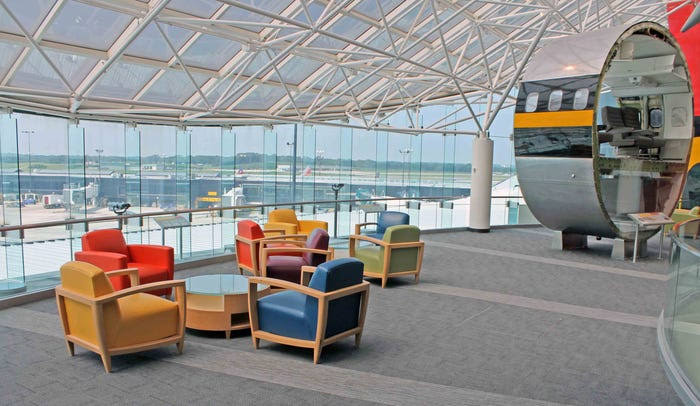
Cliff House and the Lands End Lookout in San Francisco offer dramatic Pacific Ocean views without a ticket, perched on the edge of the continent where the city meets the sea. The observation deck at Denver International Airport’s Jeppesen Terminal provides mountain views for arriving passengers — free and accessible without going through security, showcasing the Front Range of the Rockies in a way few airport experiences can match. The Skydeck at Chicago’s Willis Tower and 360 Chicago at the Hancock Center compete for the best skyline view in America, and both are worth experiencing on different visits. Willis offers The Ledge and the pure height of 103 floors; 360 Chicago provides TILT, a glass-enclosed platform that tilts outward at a 30-degree angle, and a more intimate, less touristy atmosphere with stunning lake and river views.
Other notable mentions include the High Roller observation wheel in Las Vegas, the tallest Ferris wheel in North America, offering 30-minute rotations with views of the Strip and the desert beyond. Philadelphia’s One Liberty Observation Deck provides sweeping views of Independence Hall, the Schuylkill River, and the surrounding region from the 57th floor. San Antonio’s Tower of the Americas, built for the 1968 World’s Fair, remains the tallest observation tower in Texas and includes a rotating restaurant. Each of these hidden gems offers something distinct — a regional perspective, a historical connection, or a unique architectural approach to viewing the world from above.
Frequently Asked Questions
What is the best observation deck in New York?
Summit One Vanderbilt for innovation and spectacle. Top of the Rock for the best unobstructed photos. Empire State Building for history and the classic New York experience. All three are excellent for different reasons.
When is the best time to visit an observation deck?
One hour before sunset. You experience daylight, golden hour, sunset, and the city lights coming on — all in one visit. This time slot sells out first at every deck.
Should I buy tickets in advance?
Yes. Timed-entry slots sell out, especially for sunset. Online tickets are cheaper than walk-up prices. City passes like CityPASS and Go City can save money if you plan to visit multiple attractions.
Are observation decks worth the cost?
For most visitors, yes. The views are genuinely spectacular, and the best decks offer experiences beyond just looking out a window. If budget is tight, some cities have free or cheaper alternatives — Rockefeller Center’s street-level plaza, Brooklyn Bridge Park, or the Staten Island Ferry in New York, for example.
Can I visit an observation deck in bad weather?
You can, but you might not see much. Fog and low clouds obscure views. Most decks remain open in rain. Check the live webcam on the deck’s website before booking if weather is a concern.
Are observation decks accessible for wheelchairs and strollers?
Yes. Every major observation deck in the United States is fully accessible with elevators to all viewing areas. Strollers are permitted. Some outdoor decks have uneven surfaces. Check specific venue websites for detailed accessibility information.