
Best Water Parks in the USA: The Ultimate Ranking and Guide
Discover America's top water parks with detailed reviews, insider tips, ticket savings, and family-friendly recommendations for your next splash-filled vacation.
Expert Rankings
Our team has visited every park on this list — honest ratings based on firsthand experience, not marketing copy.
Slides for Every Age
From gentle splash pads for toddlers to 120-foot free-fall drops for adrenaline junkies.
Cabanas & Relaxation
Premium seating, shaded lounging, and server service at the best parks for those who want a break from the action.
Ticket Savings
Many parks offer online discounts, combo passes, and seasonal deals — never pay gate price.
Indoor & Outdoor Options
Year-round water parks in every climate, from Florida's tropical resorts to indoor water park hotels in the Midwest.
- Selection Variety: 10/10
- Thrill Factor: 9/10
- Family Appeal: 10/10
- Value for Money: 8/10
- Top Water Park States: Florida, Texas, Wisconsin, California, Pennsylvania
- Peak Season: Memorial Day through Labor Day (year-round at indoor parks)
- Price Range: $30–$80 per person (significant online discounts available)
- Best For: Families, thrill-seekers, anyone looking to beat the heat
- Top Pick: Universal's Volcano Bay, Orlando
America's Best Water Parks — Ranked and Reviewed
Water parks are the ultimate summer playground — places where gravity meets gallons of water, where families cool off together, and where the only schedule that matters is the next slide, the next wave, and the next lazy river loop. The United States is home to some of the best water parks in the world, from massive outdoor complexes with record-breaking slides to immersive indoor resorts where summer never ends.
These aquatic wonderlands have evolved far beyond simple swimming pools with a slide or two. Modern water parks are sophisticated entertainment destinations that blend cutting-edge engineering, theatrical theming, and genuine hospitality to create experiences that rival traditional theme parks in scope and ambition. They represent billions of dollars in investment, employ thousands of seasonal workers, and attract tens of millions of visitors annually. For many American families, the annual water park trip has become as traditional as Fourth of July fireworks or Thanksgiving dinner.
The diversity of water park experiences across the United States is remarkable. You can ride a water coaster that launches you uphill using magnetic propulsion technology, float through a lazy river that winds through actual animal habitats, plunge down a slide inside a nearly-vertical loop, or simply bob in a wave pool that generates six-foot swells every ten minutes. Some parks sprawl across dozens of acres with enough slides to fill an entire day; others focus on quality over quantity with a curated selection of standout attractions.
Florida and Texas dominate the outdoor water park scene. Universal’s Volcano Bay in Orlando reimagined what a water park could be with its TapuTapu virtual queue system, eliminating the need to stand in line for slides. This wearable device lets guests reserve their place in a virtual queue while they enjoy other attractions, the wave pool, or the lazy river — a game-changing innovation that addresses the biggest complaint about water parks: waiting in wet, uncomfortable lines. The park’s centerpiece, a 200-foot volcano, anchors a Polynesian-themed landscape that feels more like a South Pacific resort than a Central Florida attraction. Disney’s Typhoon Lagoon and Blizzard Beach bring Disney-level theming to water attractions. Typhoon Lagoon’s backstory involves a tropical storm that stranded a shrimp boat atop a volcano, while Blizzard Beach imagines a freak Florida snowstorm that led to a ski resort — which then melted into a water park. Both parks feature meticulous landscaping, storytelling details, and that signature Disney polish that extends from the pavement cleanliness to the cheerful cast member interactions.
Schlitterbahn in New Braunfels, Texas, spans over 70 acres and is regularly voted the best water park in the world by industry publications and travelers alike. What sets Schlitterbahn apart is its use of the natural Comal River, which flows through the park and feeds many of its attractions with cool, spring-fed water — a refreshing contrast to the heavily chlorinated water common at most parks. The park pioneered the uphill water coaster concept and continues to innovate with attractions that blend natural beauty with engineering creativity. Aquatica, SeaWorld’s colorful water park brand, combines thrilling slides with animal encounters. You can ride Dolphin Plunge, which sends you through a clear tube surrounded by Commerson’s dolphins, or float down a river that passes through a habitat filled with tropical fish. This integration of marine life and water attractions creates a unique hybrid experience that appeals to animal lovers and thrill-seekers in equal measure.
Indoor water parks have revolutionized the concept of a water-based vacation. Great Wolf Lodge, with over a dozen locations across North America, brought the water park experience indoors and made it a year-round family getaway. Each lodge is designed as a self-contained resort where families can arrive, check in, and never leave the property for the duration of their stay. The brand has perfected a formula that works: moderately-sized indoor water parks with enough variety to entertain for a full day, themed suites that kids love (many feature bunk bed areas designed to look like log cabins or caves), and additional attractions like MagiQuest that extend the entertainment value beyond just water slides. Wisconsin Dells — the self-proclaimed Water Park Capital of the World — is home to the largest concentration of indoor and outdoor water parks anywhere, including Noah’s Ark, the largest outdoor water park in America. This small town in central Wisconsin transformed itself from a modest river tourism destination into a water park mecca that attracts millions of visitors annually. The Dells offers an unmatched density of water-based entertainment: you could visit a different water park every day for a week and still not experience them all.
Our rankings are based on firsthand visits, not press releases. We evaluate slide variety, theming, family-friendliness, value for money, cleanliness, and that intangible feeling of wanting to come back. Whether you are planning a dedicated water park vacation or adding a water park day to an Orlando theme park trip, this guide covers the best of the best. We have personally tested hundreds of water slides, floated countless lazy river miles, and weathered numerous wave pool cycles to bring you informed, honest assessments of America’s top water parks.
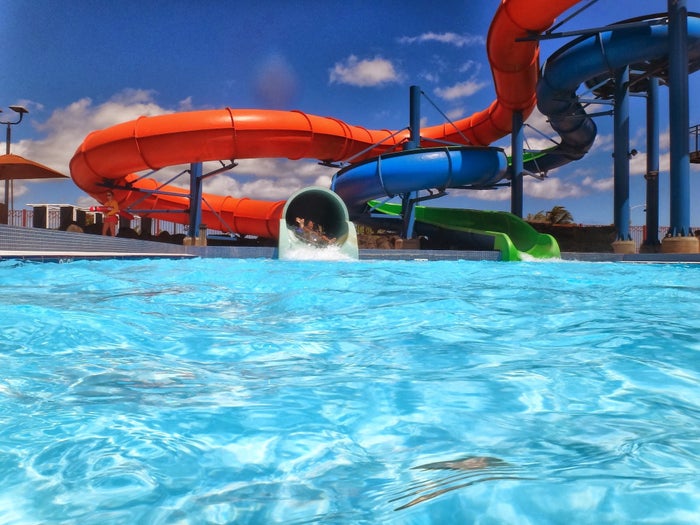
Top 9 Water Parks in America
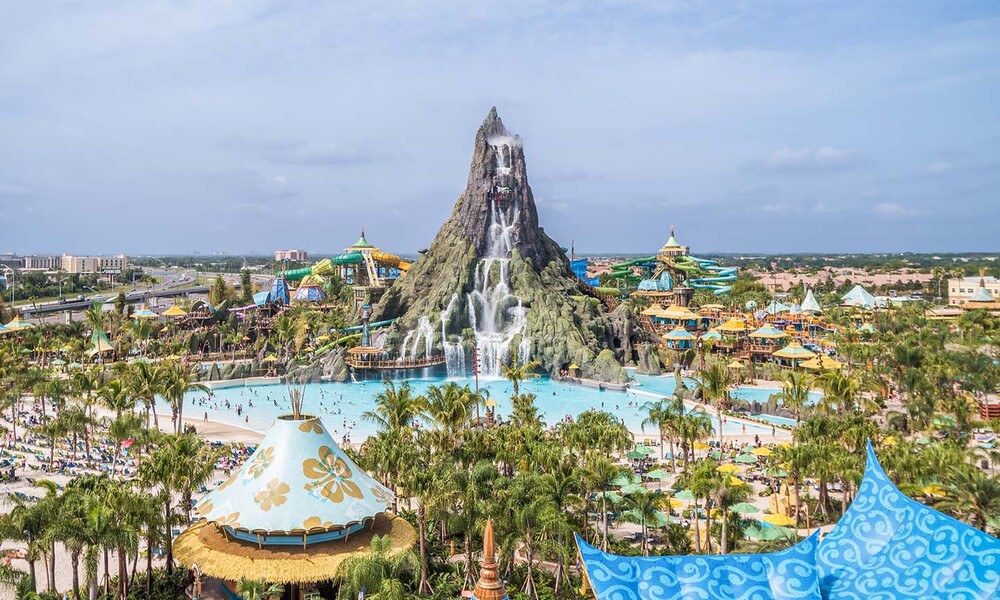
Universal's Volcano Bay — Orlando, FL
The gold standard. A South Pacific-themed water park with the TapuTapu virtual queue system, meaning no standing in line. The Ko'okiri Body Plunge drops through a trapdoor 70 degrees down the center of a 200-foot volcano. Krakatau Aqua Coaster propels rafts uphill through a dark tunnel. The lazy river winds through caves and waterfalls. Unmatched theming and innovation.
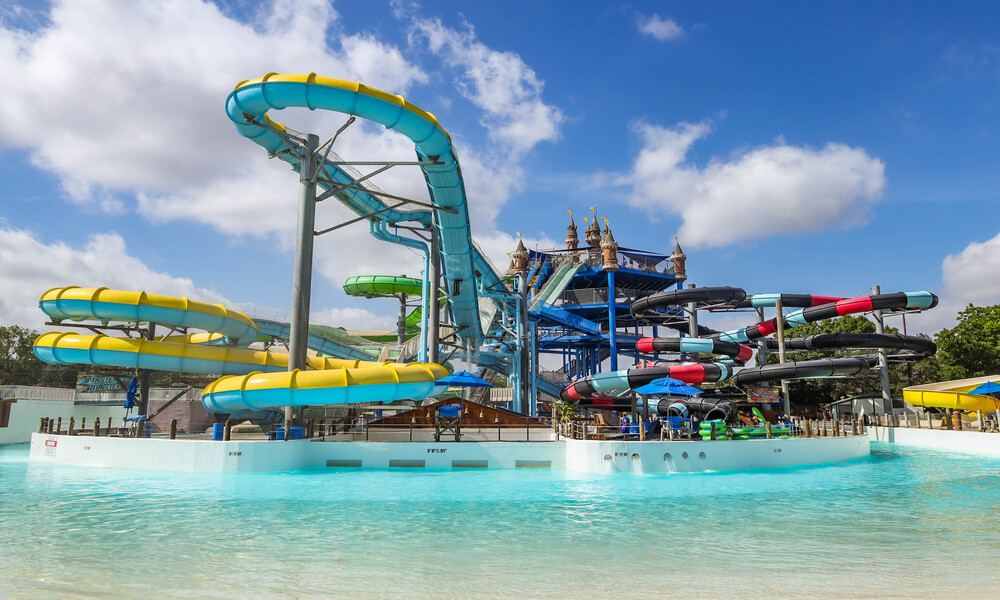
Schlitterbahn — New Braunfels, TX
A Texas legend spanning 70 acres with over 50 attractions. The Master Blaster uphill water coaster defies gravity. The natural river-fed sections use water from the Comal River. Miles of interconnected waterways let you float between attractions. Multiple parks in one, with old-school charm and cutting-edge thrills.
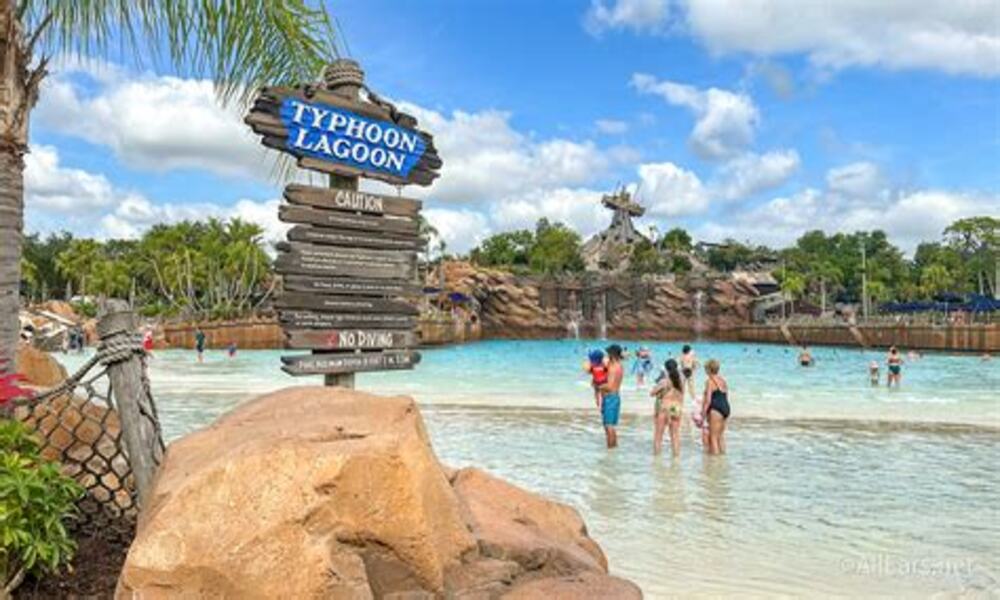
Disney's Typhoon Lagoon — Orlando, FL
A tropical paradise with the world's largest outdoor wave pool generating six-foot swells. Crush 'n' Gusher is a water coaster that propels rafts uphill. The lazy river encircles the entire park. Disney-level theming throughout — a shrimp boat marooned on a mountain sets the scene.
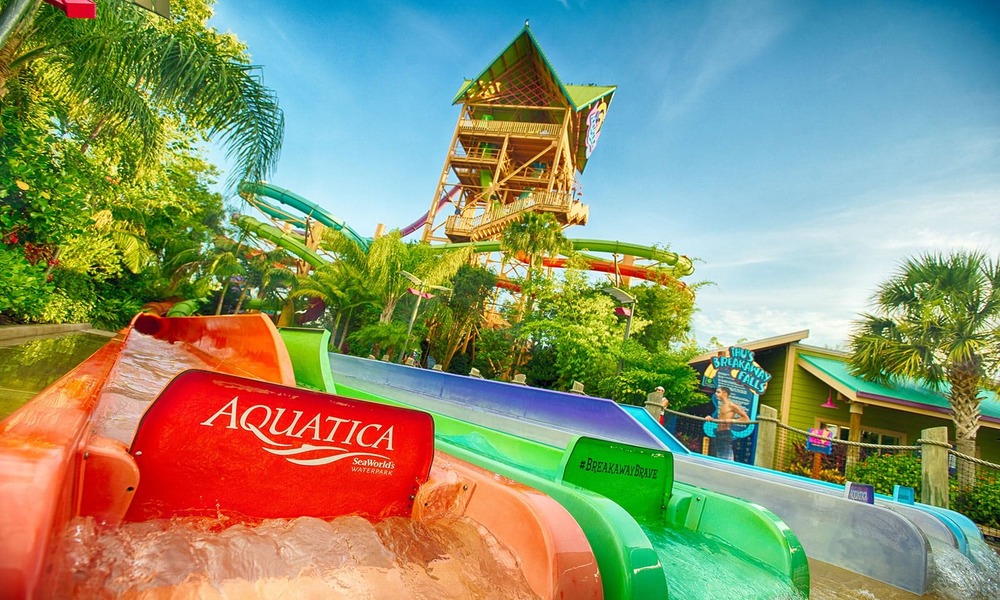
Aquatica Orlando — Orlando, FL
SeaWorld's colorful water park with 42 slides, two wave pools, and a lazy river. Dolphin Plunge sends riders through a clear tube surrounded by dolphins. Ihu's Breakaway Falls is a multi-drop tower with trapdoor releases. Sandy beaches and tropical landscaping throughout.
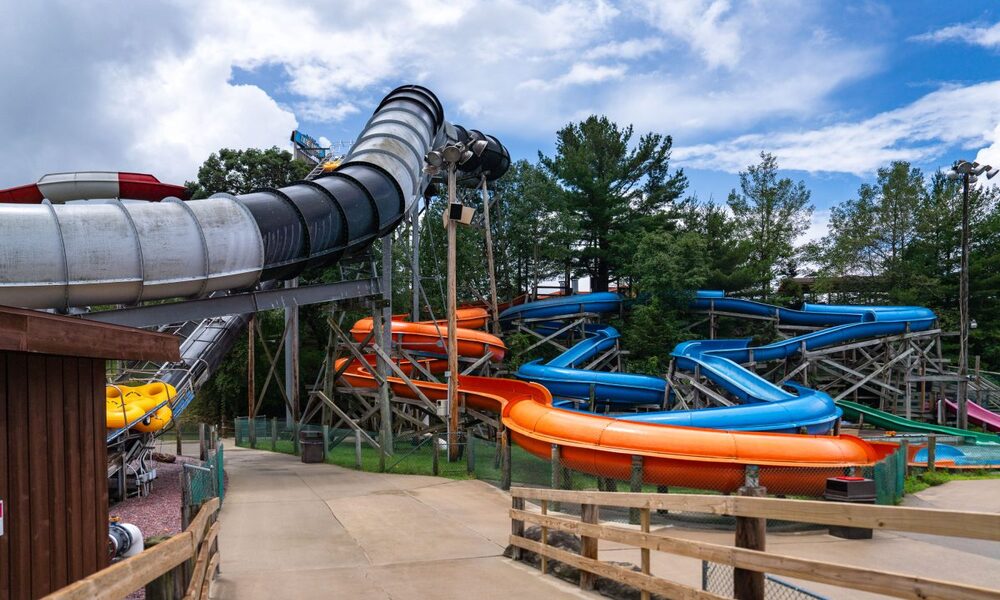
Noah's Ark — Wisconsin Dells, WI
The largest outdoor water park in America at 70 acres. Over 50 slides including the Black Anaconda water coaster and Scorpion's Tail looping slide. Two wave pools, four children's areas, and a lazy river. The heart of the Wisconsin Dells water park capital.
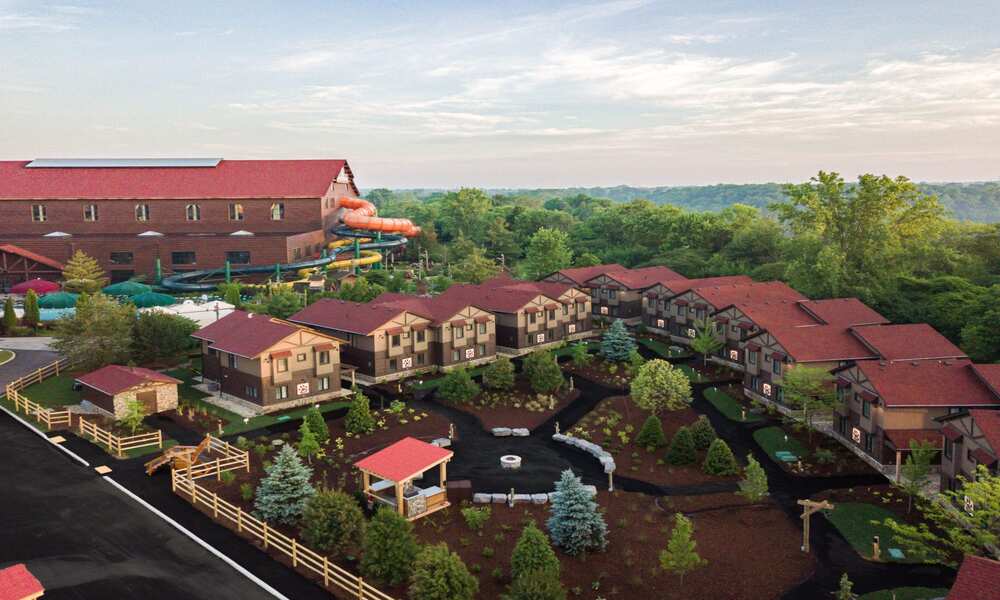
Great Wolf Lodge — Multiple Locations
America's largest chain of indoor water park resorts. Over a dozen locations across the US and Canada. Included exclusively for hotel guests. Wave pools, slides, splash zones, and water coasters under one roof. Perfect for winter getaways. MagiQuest interactive game adds another layer of fun.
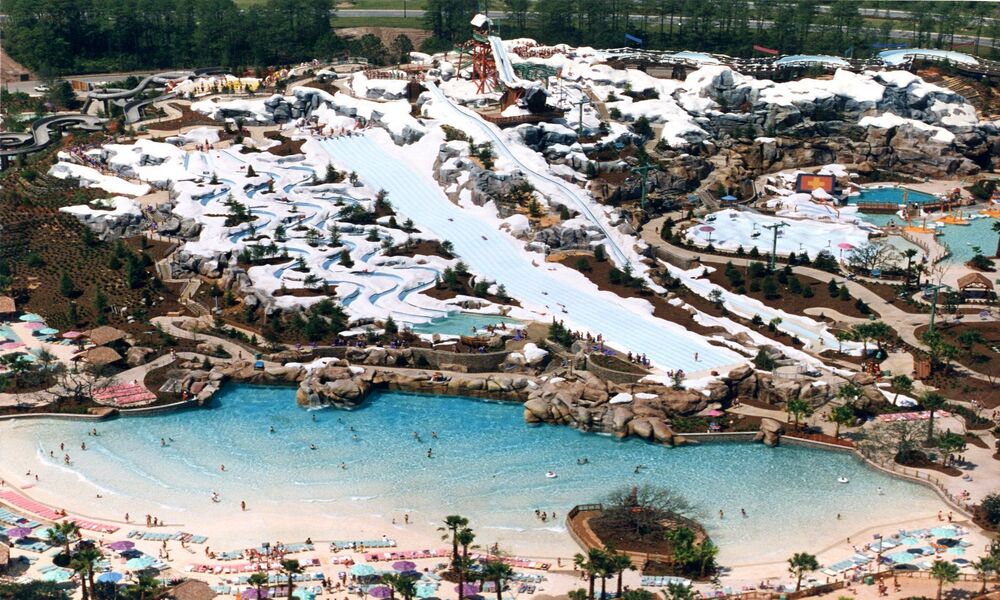
Disney's Blizzard Beach — Orlando, FL
A melting ski resort turned water park with the iconic Summit Plummet — a 120-foot free-fall body slide reaching 60 mph. Teamboat Springs is one of the world's longest family raft rides. The chairlift carries guests to the summit with park views.
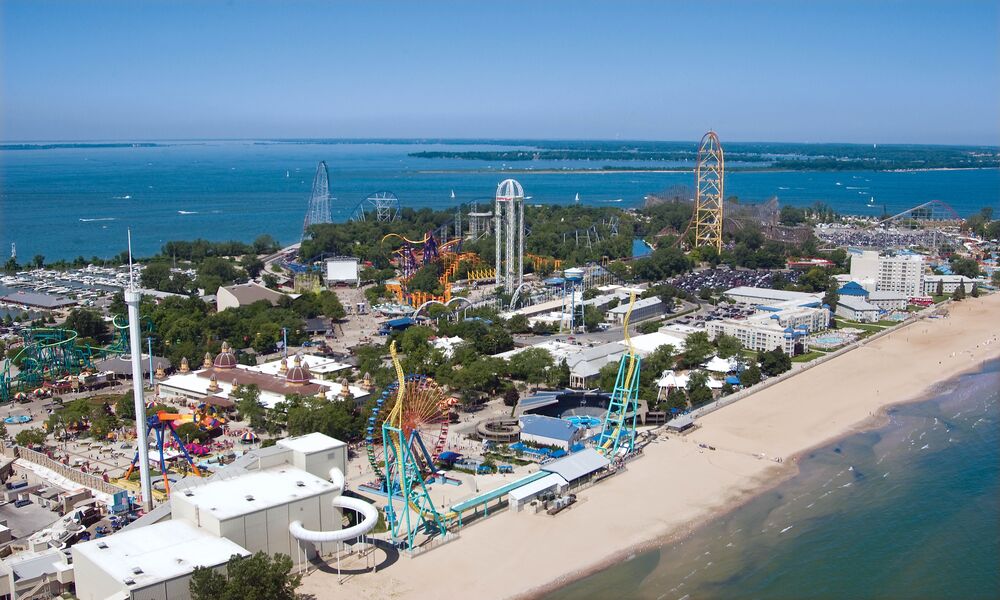
Cedar Point Shores — Sandusky, OH
Attached to the Roller Coaster Capital of the World. Point Plummet is a six-story drop capsule. The water park is included with some Cedar Point ticket packages and on-site hotel stays. A perfect cooldown day between coaster marathons.
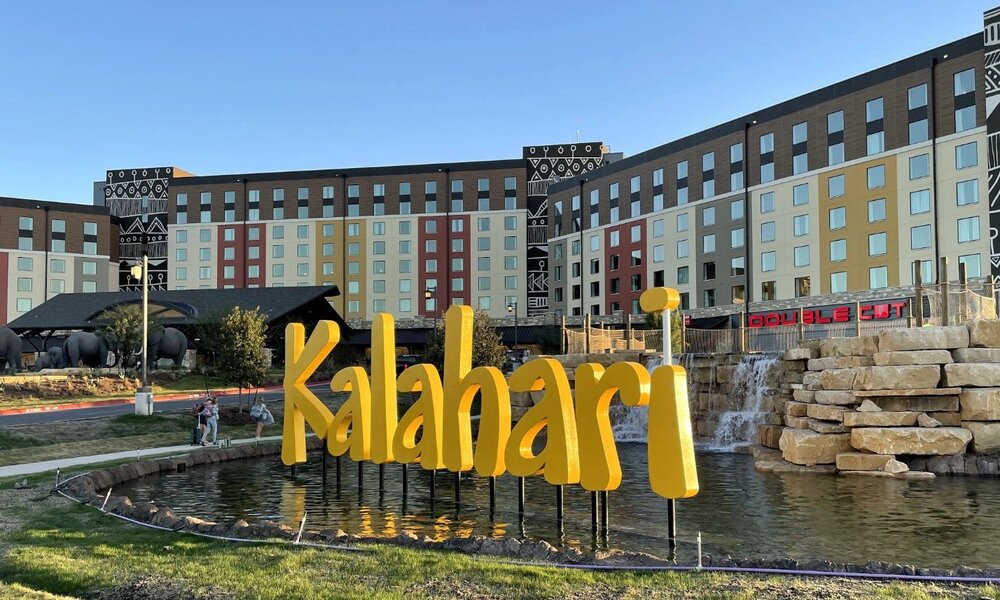
Kalahari Resorts — Multiple Locations
America's largest indoor water parks at resorts in Wisconsin Dells, Sandusky, and the Poconos. Massive wave pools, uphill water coasters, and FlowRider surf simulators. The resorts include theme parks, spas, and extensive dining.
Our Ranking Methodology — What Makes a Great Water Park
Our rankings are not based on TripAdvisor aggregates or marketing materials. Every park on this list has been visited by our team at least once, and the top five have been visited multiple times across different seasons. We evaluate water parks on six criteria, weighted for what matters most to families and thrill-seekers alike. This methodology has been refined over years of water park coverage and represents what we have learned matters most to actual visitors planning real trips with real budgets.
Slide variety and quality is the most important factor. A great water park needs a mix of body slides, tube slides, raft rides, and water coasters that appeal to different age groups and thrill tolerances. A single headliner slide does not make a great park — depth of lineup matters. We look for parks that offer something for everyone: gentle slides for nervous first-timers and young children, intermediate attractions for tweens and casual thrill-seekers, and genuinely intense rides that challenge even experienced water park enthusiasts. The best parks also rotate slide experiences — offering enclosed tube slides with complete darkness, open flume slides with scenic views, multi-person raft rides that facilitate family bonding, and competitive racing slides where friends can challenge each other. We also evaluate slide maintenance and flow rates. A great slide concept executed with poor water flow or rough seams in the fiberglass becomes an uncomfortable experience rather than an exciting one.
Theming and atmosphere separate the good from the great. Volcano Bay and Typhoon Lagoon transport you to another world. The best parks feel like destinations, not just collections of fiberglass slides in a concrete lot. Landscaping matters — shade, greenery, and thoughtful design elevate the experience. When you enter a well-themed water park, you should feel like you have traveled somewhere special, whether that is a Caribbean island, a Polynesian village, or a tropical rainforest. This means attention to details like thatched roof structures, tropical plantings, thematic music that changes between different areas of the park, and even the design of trash cans and signage. Parks that invest in mature trees and strategic shade structures demonstrate a commitment to guest comfort that pays dividends during hot summer afternoons. Conversely, parks with exposed concrete, minimal landscaping, and generic slide names feel forgettable and utilitarian.
Family-friendliness is essential. The best parks have dedicated children’s areas with safe, shallow water and scaled-down slides, plus family raft rides that everyone can enjoy together. We deduct points for parks that neglect the youngest visitors. A truly family-friendly water park recognizes that families often include children ranging from toddlers to teenagers, plus adults who may or may not want to ride thrill slides. This means providing robust kiddie areas with interactive water features, small slides appropriate for preschoolers, and zero-depth entry pools where parents can comfortably supervise from the water. It also means offering numerous family raft rides that accommodate parents and children together, creating shared experiences rather than separating families by age and courage level. We observe how lifeguards interact with children, whether changing facilities include family restrooms, and if the park provides amenities like life jacket rentals at no additional charge.
Value for money considers ticket price, parking fees, locker rentals, and food costs. The most expensive parks are not always the best, and some mid-range parks deliver exceptional value. We factor in online discounts, combo tickets, and season pass value. A day at a water park involves more than just the admission ticket. Parking can add $25 or more, lockers often cost $15-30, and a family meal can easily exceed $60. When we assess value, we calculate the total cost of a family visit and weigh that against the quality and quantity of attractions offered. Parks that nickel-and-dime guests with fees for every amenity receive lower value scores, even if the base admission is competitive. We also consider season pass value for locals — some parks offer passes that pay for themselves in just two visits, making them exceptional values for families who live within an hour’s drive. Combo tickets that bundle water park admission with other attractions can also represent significant savings for visitors planning multi-day vacations.
Cleanliness, operations, and lifeguard attentiveness are baseline requirements. We notice when bathrooms are dirty, when slides are closed without explanation, and when lifeguards are distracted. The best parks maintain high standards across all three. Cleanliness in a water park environment is challenging — thousands of wet guests track water, sunscreen, and debris throughout the facility all day long. Parks that deploy roaming cleaning crews, maintain spotless restrooms even during peak hours, and keep pathways free of litter demonstrate operational excellence. We also evaluate how parks handle slide closures and maintenance. Rides break down — that is inevitable in any attraction-based business — but the best parks communicate clearly about closures, estimated reopening times, and alternative attractions to enjoy. Lifeguard attentiveness is a safety issue we take seriously. We observe whether lifeguards remain focused on their zones, if they rotate positions regularly to prevent fatigue, and how quickly they respond to minor incidents.
Finally, that intangible feeling of wanting to come back — the re-rideability factor — is the ultimate test. A great water park stays with you long after you towel off. This is the measure that separates memorable experiences from forgettable ones. When you leave a truly outstanding water park, you find yourself already planning your return visit, remembering favorite slides, and recommending the park to friends. This feeling comes from a combination of all the previous factors executed at a high level, plus that indefinable sense that the park genuinely cares about creating magical moments for its guests.
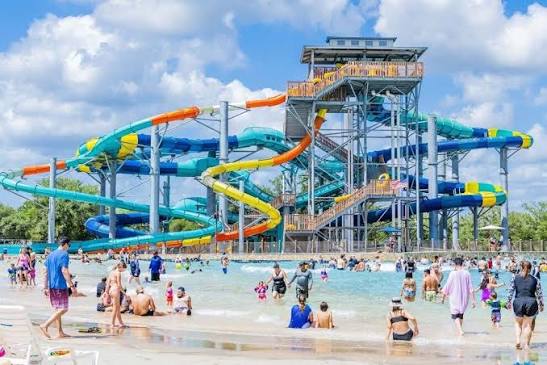
Water Park Tips: What to Bring, When to Arrive, and How to Save
A successful water park visit starts before you leave the hotel. Arrive at least 30 minutes before the posted opening time. The parking lot, ticketing, and locker areas open earlier than the slides, and the first hour is almost always the quietest. Head directly to the most popular slides first — they will have hour-long waits by midday. This strategy, known as “rope drop” in theme park circles, applies equally to water parks. While other guests are still applying sunscreen in the parking lot or waiting in line for lockers, you can be riding your first slide. At major parks like Volcano Bay or Typhoon Lagoon, arriving early can mean riding three or four major attractions before the lunch rush even begins.
What to bring: reef-safe sunscreen (many parks require it), a reusable water bottle (hydration is constant), water shoes (pavement gets painfully hot), a waterproof phone pouch, and a small cooler with snacks if the park permits outside food. Leave valuables at the hotel. Lockers are available at every park, but they are small and expensive. Pack light. Reef-safe sunscreen is increasingly mandatory at parks that feature marine animal habitats or environmentally-sensitive waterways. Traditional sunscreens containing oxybenzone and octinoxate can harm aquatic ecosystems, so many parks now require mineral-based alternatives. Reusable water bottles are essential — water parks are deliberately designed to make you sweat, and dehydration comes on quickly. Most parks provide free water fountains and bottle refill stations. Water shoes protect your feet from scorching pavement (which can easily exceed 140°F in direct summer sun) and provide grip on wet surfaces. A waterproof phone pouch lets you capture memories without risking a $1,000 device to water damage.
Cabanas and premium seating sell out in advance at popular parks. If you want guaranteed shade, a dedicated server, and a home base, book online before your visit — do not expect walk-up availability on summer weekends. Cabanas are most valuable for families with young children who need nap breaks and shade. Premium seating options vary by park but typically include private shaded structures, cushioned lounge chairs, a small table, and amenities like mini-refrigerators, fans, and dedicated wait service for food and beverages. Prices range from $150 to over $500 depending on the park, the season, and the size of the cabana. While expensive, cabanas can transform a water park visit from exhausting to relaxing, especially for multi-generational groups or families with infants and toddlers who need a home base for diaper changes, feeding, and rest periods.
The midday sun between 11 AM and 2 PM is the hottest and most crowded window. This is a good time for the lazy river, wave pool, or a sit-down lunch in air conditioning. Many families with young children leave by 3 PM, making late afternoon surprisingly pleasant. Experienced water park visitors learn to work with the crowd flow rather than against it. The surge of guests between late morning and early afternoon creates the longest waits at major slides, but it also means the lazy river, wave pool, and splash zones are at their most vibrant and energetic. If you have tackled the major slides during the early morning, midday is perfect for relaxed attractions and meals. The late afternoon period, particularly after 4 PM, often brings shorter waits as families with young children head back to hotels for naps and dinner. This is an excellent time to re-ride your favorite slides or try attractions you skipped earlier.
Rain policies vary by park. Light rain does not close water parks, but lightning within a specified radius triggers mandatory evacuation of all pools and slides. Staff clear the water immediately. Wait for the all-clear — Florida storms often pass in under an hour. Indoor water parks, obviously, are immune to weather. Understanding rain policies can prevent disappointment and help you plan accordingly. In Florida, summer afternoon thunderstorms are virtually guaranteed — they typically arrive between 2 PM and 5 PM, dump heavy rain for 30-45 minutes, then dissipate. Most parks monitor lightning detection systems and will sound alarms when lightning is detected within a specified radius (usually 10-15 miles). All guests must exit the water and seek shelter until the all-clear is given. Slides, pools, and lazy rivers close during lightning events, but many parks keep their restaurants, arcades, and gift shops open, giving guests somewhere to wait out the storm. Some parks offer rain checks or partial refunds if lightning closes the park for extended periods, but policies vary widely.
Year-Round Splashes: The Best Indoor Water Park Resorts
Indoor water parks have transformed the family vacation landscape, particularly in the Midwest and Northeast where outdoor parks close for half the year. These resort-based parks maintain tropical temperatures inside massive climate-controlled buildings, making it possible to ride a water coaster in January while snow falls outside. The concept addresses one of the fundamental limitations of traditional water parks: seasonality. By creating controlled environments where the temperature remains a constant 84 degrees year-round, indoor water park resorts have turned what was once a summer-only activity into a four-season vacation option.
Great Wolf Lodge is the market leader with over a dozen locations across the United States and Canada. Every lodge features a large indoor water park included exclusively for hotel guests, with a wave pool, multiple slides, splash zones for toddlers, and a water fort with a tipping bucket. The lodges also offer MagiQuest, an interactive wand-based game, plus arcades, spas, and themed suites. Great Wolf Lodge has perfected the family resort model by creating an all-inclusive environment where parents can pay one price and know that their children have access to a full day of entertainment without nickel-and-diming for every activity. The water parks are sized appropriately for the hotel — typically featuring 6-10 water slides, a wave pool, a lazy river, and an elaborate multi-level water fort with water cannons, dumping buckets, and interactive features. The signature element is the massive tipping bucket that fills with hundreds of gallons of water before dramatically dumping on squealing children below. Beyond the water park, Great Wolf Lodge properties include character dining experiences, story times, dance parties, and the addictive MagiQuest game that has children exploring the entire lodge with magic wands searching for hidden runes and completing quests.
Kalahari Resorts operates three massive properties in Wisconsin Dells, Sandusky, and the Pocono Mountains. Their indoor water parks are among the largest in the country. The resorts include extensive dry attractions as well — indoor theme parks, zip lines, mini golf, escape rooms, and full-service spas. Kalahari caters to families, couples, and groups equally well. Where Great Wolf Lodge focuses tightly on the family market, Kalahari has expanded its appeal to include couples’ weekends, corporate retreats, and group events. The Kalahari properties in the Dells and Sandusky feature indoor water parks exceeding 200,000 square feet — massive facilities with dozens of slides, multiple wave pools, indoor/outdoor pools that allow guests to swim between climate zones, and elaborate theming inspired by African safari aesthetics. The dry entertainment offerings are equally impressive, with indoor ropes courses, virtual reality experiences, full-service spas offering couples’ massages, and convention facilities that host business meetings and weddings.
The Wilderness Resort in Wisconsin Dells is the largest water park resort in America with four indoor and four outdoor water parks spanning over 500,000 square feet. It is the crown jewel of the Dells, a town with more water parks per capita than anywhere on Earth. The Wilderness is not a single hotel but a sprawling complex of multiple lodging buildings, each with its own personality and price point, all connected by corridors and skywalks to the various water parks. Guests at any Wilderness hotel have access to all eight water parks, creating an almost overwhelming variety of aquatic entertainment. The property also includes go-kart tracks, laser tag arenas, mini golf courses, and numerous restaurants. A week-long stay at the Wilderness could easily be filled without ever leaving the property or exhausting the available activities.
Indoor water park resorts sell almost exclusively as hotel-and-water-park packages. Day passes are available at some locations but are limited and expensive. The best value is always a midweek stay — weekend rates can double. Book directly through the resort website for the best deals and package inclusions. Understanding the pricing model is essential for getting good value. Most indoor water park resorts restrict water park access to registered hotel guests, ensuring that the parks never become overcrowded and that families feel they are getting an exclusive experience. This means you cannot simply buy a day pass and drive to the park — you must book a room. Rates fluctuate dramatically based on day of week and season. A winter weeknight stay might cost $150 per night including water park access, while a summer Saturday night could exceed $400 for the same room. The best deals are typically found by booking midweek stays during shoulder seasons (September through November, January through March excluding holidays and spring break). Many resorts offer package deals that bundle room, water park access, dining credits, and activity passes at a discount compared to purchasing each component separately.
Frequently Asked Questions
What is the best water park in the USA?
Universal’s Volcano Bay in Orlando tops our ranking for its innovative virtual queue system, stunning theming, and excellent slide variety. Schlitterbahn New Braunfels and Disney’s Typhoon Lagoon are close contenders depending on what you prioritize.
What should I wear to a water park?
Proper swimwear is required on all slides. Avoid clothing with zippers, buttons, or metal parts. Rash guards and swim shirts provide sun protection. Water shoes are strongly recommended. Many parks prohibit cotton clothing on slides for safety reasons.
Can I bring my own food to a water park?
Policies vary. Disney water parks and most independently owned parks allow small coolers with snacks and water. Some corporate parks restrict outside food to one water bottle per person. Check the specific park’s website before packing a picnic.
Are water parks open during rain?
Light rain does not close water parks. Lightning within a specified radius triggers mandatory evacuation of all pools and slides. Florida afternoon storms typically pass in 30 to 60 minutes. Indoor water parks are unaffected by weather.
How is an indoor water park different from an outdoor one?
Indoor water parks maintain tropical temperatures year-round inside climate-controlled buildings. They are typically attached to resort hotels and are not open to day guests. The slide variety is generally smaller than major outdoor parks, but the convenience and weather-proofing make them extremely popular for winter getaways.