
Bronx Zoo: The Complete Guide to America's Largest Urban Zoo
Everything you need to know about visiting the Bronx Zoo — 265 acres of wildlife, award-winning exhibits, family attractions, and insider tips for the ultimate New York City zoo experience.
Congo Gorilla Forest
One of the best gorilla exhibits in the world — an immersive 6.5-acre African rainforest with two troops of western lowland gorillas.
265 Acres of Wildlife
The largest metropolitan zoo in the United States — home to over 10,000 animals representing more than 700 species.
Children's Zoo & Nature Trek
Hands-on animal encounters, a petting zoo, climbing structures, and splash pads designed specifically for young children.
Wild Asia Monorail
A narrated monorail ride through 38 acres of Asian habitats with tigers, rhinos, elephants, and red pandas roaming below.
Wildlife Conservation Society
Run by the WCS, which manages over 500 conservation projects in more than 60 countries — your visit supports global wildlife protection.
- Animal Exhibits: 9/10
- Family Appeal: 9/10
- Atmosphere & Size: 10/10
- Value for Money: 7/10
- Location: Bronx, New York City
- Opened: 1899 — one of the oldest zoos in the United States
- Hours: 10:00 AM – 5:00 PM (weekdays), until 5:30 PM (weekends and holidays) — seasonal variations
- Admission: Adults $33–$41, Children $23–$31 (free on Wednesdays by suggested donation)
- Best For: Families, animal lovers, anyone visiting New York City
- Highlight: Congo Gorilla Forest — an award-winning exhibit with two families of gorillas in a lush, naturalistic habitat
A World of Wildlife in the Heart of New York City
The Bronx Zoo is not just the largest zoo in New York City — it is the largest metropolitan zoo in the United States. Spanning 265 acres of hardwood forest, riverfront, and carefully designed habitats, the zoo is home to more than 10,000 animals representing over 700 species. It opened in 1899 and has been operated since its founding by the Wildlife Conservation Society, one of the most respected conservation organizations in the world.
Located in the northern reaches of the Bronx, the zoo occupies a landscape that was once part of the vast forests that covered the region before European settlement. The founding vision was ambitious: create a zoological park that would educate the public, advance scientific understanding of animal behavior and biology, and ultimately contribute to the preservation of species in the wild. More than a century later, that mission remains central to everything the zoo does.
The zoo’s scale is staggering. Many visitors do not realize that the Bronx Zoo is large enough to contain entire ecosystems within its boundaries. The Congo Gorilla Forest is a 6.5-acre immersive African rainforest with two troops of western lowland gorillas, okapi, mandrills, and a walk-through aviary. The Wild Asia Monorail takes visitors on a narrated journey through 38 acres of Asian habitats where tigers, Indian rhinos, Asian elephants, and Przewalski’s horses roam in large, naturalistic enclosures. Tiger Mountain recreates the Russian Far East with Siberian tigers in a rocky, forested landscape.
Beyond these flagship exhibits, the zoo houses African Plains, a sprawling savanna where lions, zebras, giraffes, and gazelles share open grasslands designed to mimic the Serengeti. The Himalayan Highlands features snow leopards and red pandas in mountainous terrain with rocky outcrops and bamboo groves. Madagascar showcases lemurs in a lush indoor-outdoor habitat that replicates the island’s unique ecosystems. The World of Birds is a historic indoor aviary with hundreds of bird species in naturalistic settings, from tropical rainforests to temperate woodlands. Sea Bird Colony and Aquatic Bird House offer close encounters with penguins, puffins, and other seabirds in climate-controlled environments.
The zoo balances world-class animal care with family-friendly attractions. The Children’s Zoo has a petting area, feeding opportunities, and gentle encounters with domestic animals. Nature Trek is a multi-level climbing structure with a ropes course and elevated walkways. The Bug Carousel is a whimsical ride where children sit on oversized beetles and praying mantises instead of horses.
The animal collection represents biodiversity from every continent except Antarctica. Visitors can see bison and grizzly bears from North America, giant anteaters and harpy eagles from South America, African wild dogs and meerkats from Africa, Komodo dragons and gharials from Asia, and kangaroos from Australia. The reptile house features king cobras, Gaboon vipers, and monitor lizards. The MouseHouse displays small mammals like naked mole rats and elephant shrews in innovative exhibits that allow close observation of their natural behaviors.
The Bronx Zoo is a full-day destination. It takes hours to walk from one end to the other, and the layout rewards wandering. Paths wind through wooded areas, past ponds, and into immersive exhibits that feel far removed from the surrounding city. For visitors to New York City, the zoo offers a wildlife experience that rivals — and in many ways exceeds — zoos in far more remote locations.
What sets the Bronx Zoo apart from other major urban zoos is its commitment to conservation fieldwork. WCS scientists work in more than 60 countries protecting wildlife and wild places. Revenue from zoo admissions directly supports tiger conservation in Russia, gorilla protection in central Africa, snow leopard research in Mongolia, and marine conservation in the world’s oceans. When you visit the Bronx Zoo, you are supporting global conservation efforts that make a measurable difference in protecting endangered species and their habitats.
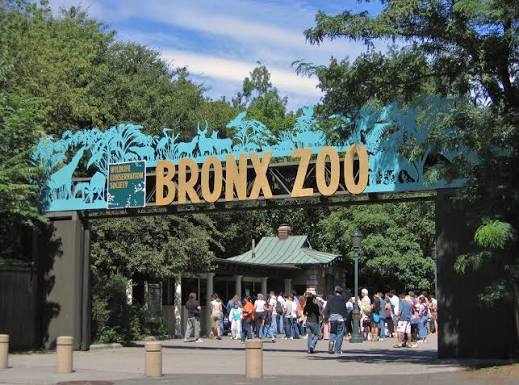
Must-See Exhibits at the Bronx Zoo
With over 260 acres and hundreds of species, these are the exhibits that define the Bronx Zoo experience.
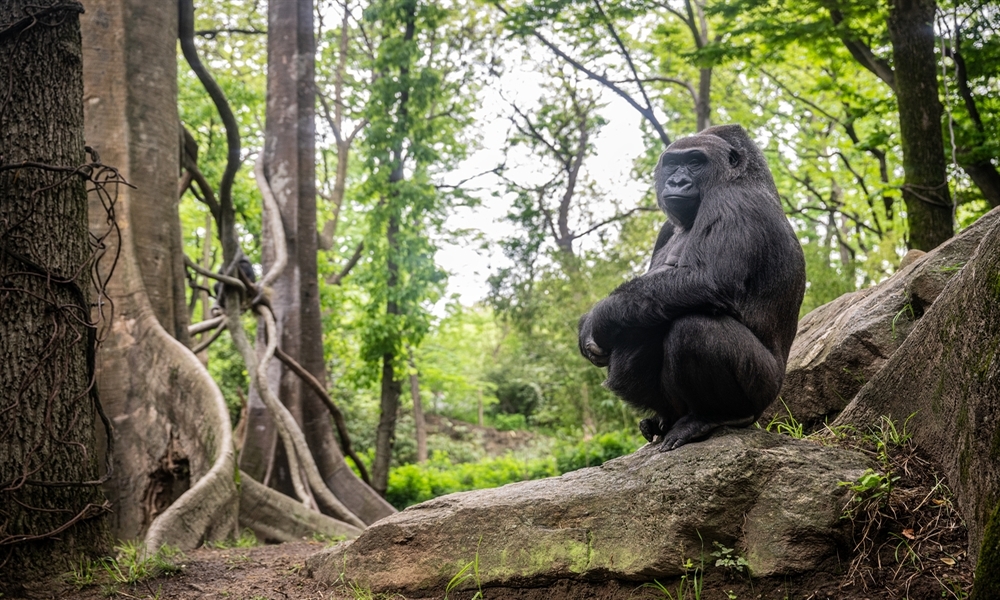
Congo Gorilla Forest
An award-winning 6.5-acre African rainforest. Two troops of western lowland gorillas, okapi, mandrills, and red river hogs. The walk-through aviary has free-flying birds. Glass viewing areas bring you face-to-face with gorillas.
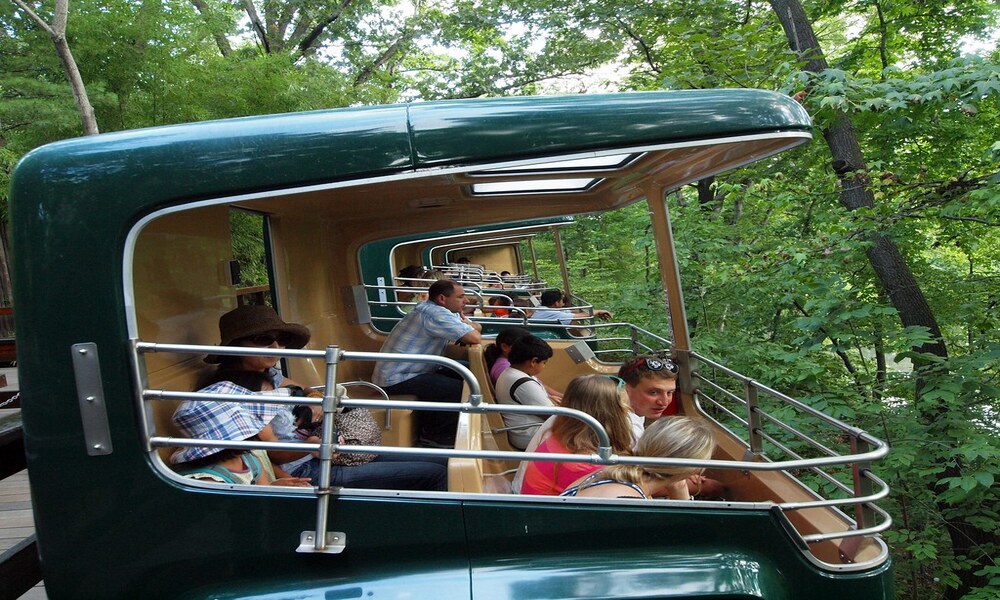
Wild Asia Monorail
A narrated ride through 38 acres of Asian habitats. See tigers, Indian rhinos, Asian elephants, red pandas, and Przewalski's horses in large, naturalistic enclosures. The best way to see large mammals at the zoo. Additional ticket required.
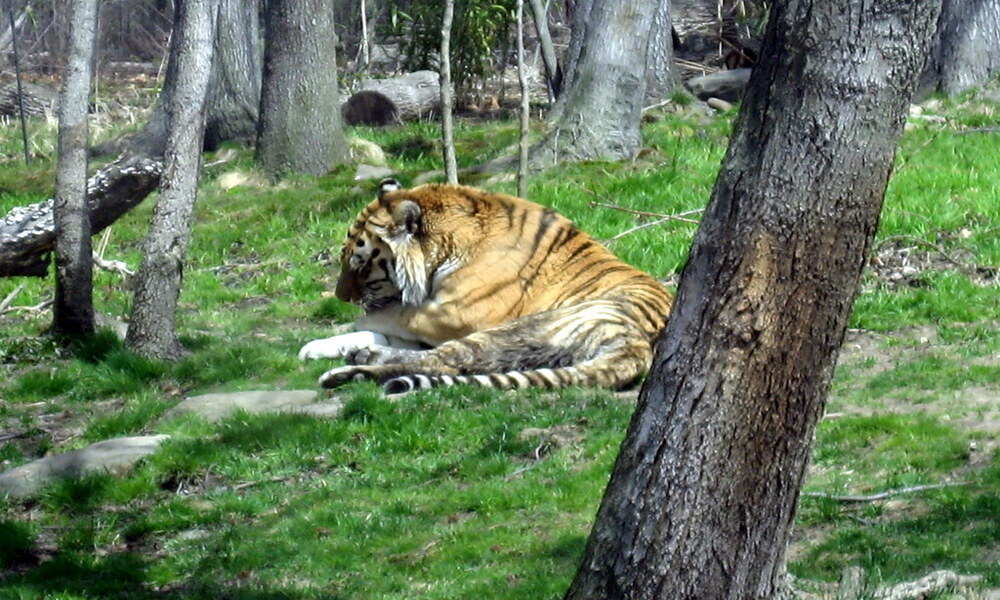
Tiger Mountain
An immersive recreation of the Russian Far East. Siberian tigers roam a rocky, forested landscape with a waterfall and stream. The exhibit shows the work of WCS scientists studying tigers in the wild.
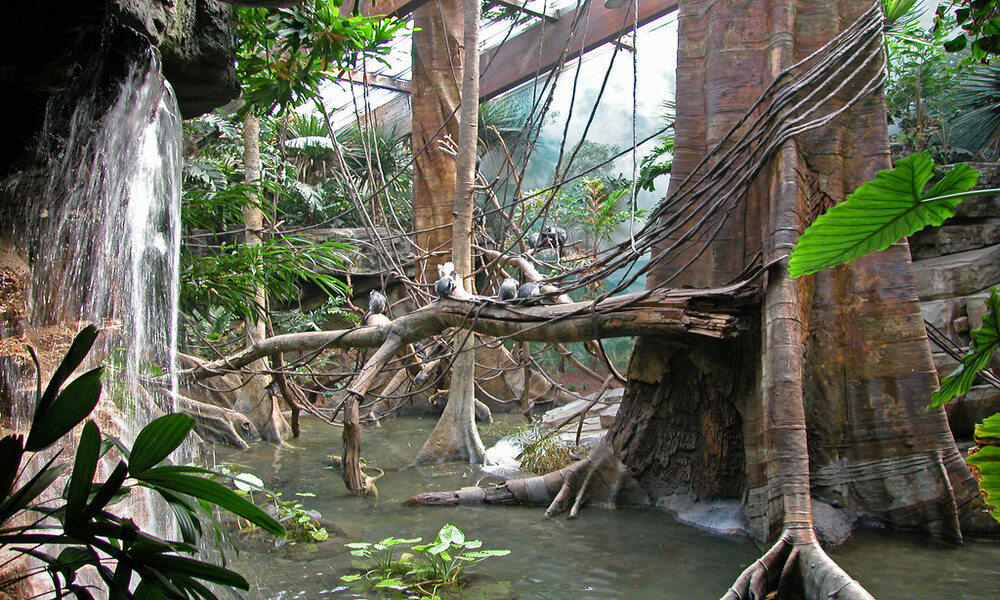
JungleWorld
An indoor Asian rainforest with free-flying birds, gibbons swinging through the canopy, otters swimming in streams, and a tapir wandering the forest floor. Lush, warm, and humid — a tropical escape year-round.
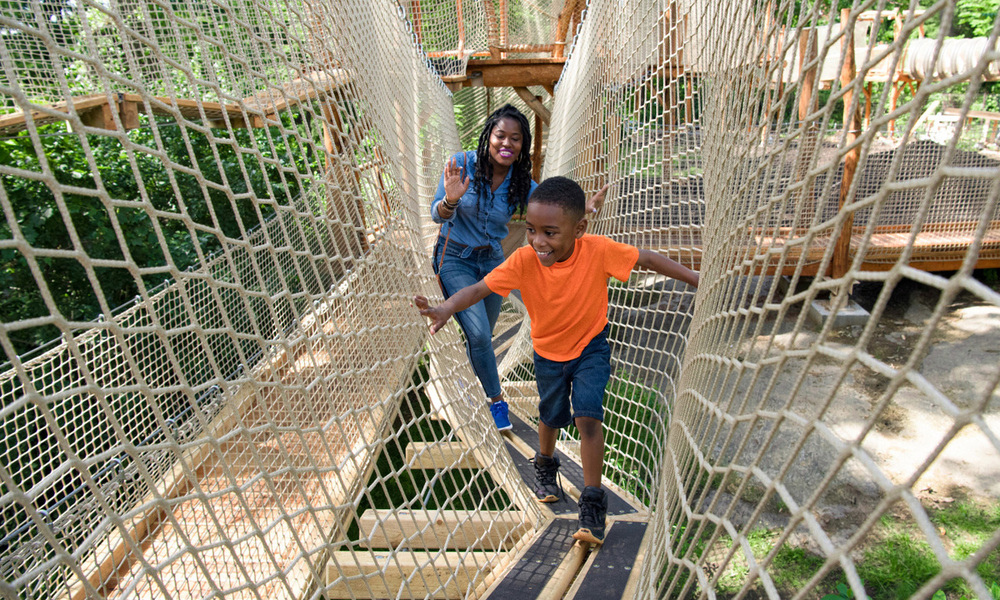
Children's Zoo & Nature Trek
A petting zoo with goats and sheep, feeding stations, and a multi-level climbing structure with elevated walkways and a ropes course. Designed for children to interact with animals and explore nature.
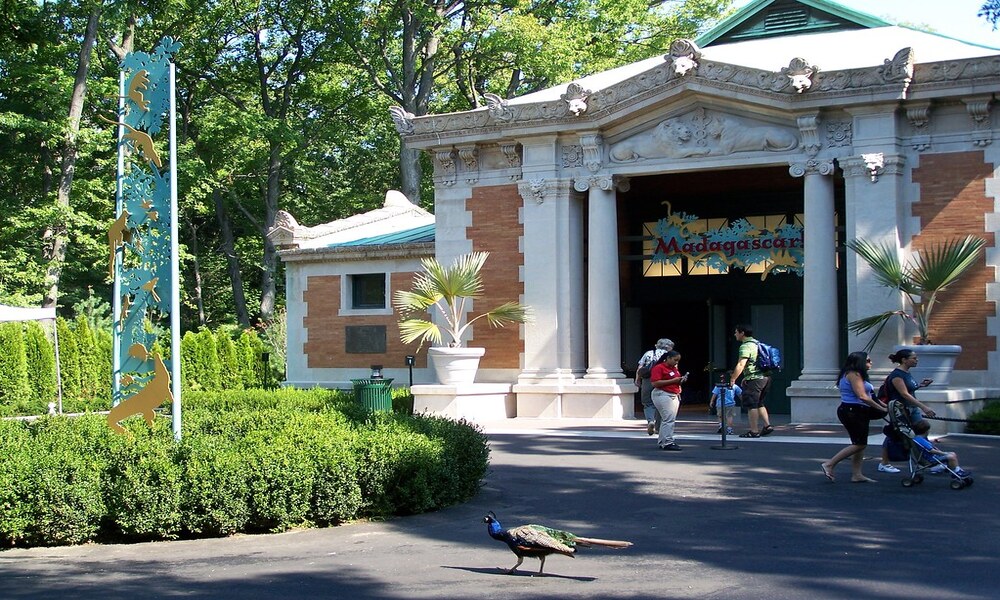
Madagascar!
An indoor-outdoor exhibit dedicated to the wildlife of Madagascar. Ring-tailed lemurs, red-ruffed lemurs, and radiated tortoises in a walk-through enclosure. The fossa — Madagascar's top predator — is a highlight.
Bronx Zoo Strategy: Tickets, Timing, and Pro Tips
The Bronx Zoo is enormous, and a successful visit requires some planning. The zoo is open year-round with seasonal hours. Summer weekends are the busiest. Wednesdays are free admission with a suggested donation — and therefore the most crowded day of the week. Arrive at opening time regardless of when you visit.
Spring and fall offer the best visiting conditions. Temperatures are comfortable for walking long distances, animals are often more active than in summer heat, and crowds are smaller than during peak summer vacation weeks. Early morning visits, especially on weekdays, provide the most peaceful experience and the best animal viewing. Many species are most active in the cooler morning hours before midday heat sets in.
Winter visits have their own advantages. Crowds are minimal, lines for premium exhibits are nonexistent, and cold-weather species like snow leopards, red pandas, and tigers are especially active. Many indoor exhibits like JungleWorld, Madagascar, and the World of Birds provide warm refuges. The zoo’s landscape covered in snow is beautiful and offers a completely different perspective than summer visits. Dress in layers and plan indoor exhibit breaks to stay comfortable.
Buy tickets online in advance. The zoo offers several ticket tiers. The All-Inclusive Ticket includes general admission plus unlimited access to premium attractions: the Wild Asia Monorail, Congo Gorilla Forest, JungleWorld, the Children’s Zoo, Nature Trek, the Bug Carousel, and the seasonal Butterfly Garden. The monorail, Congo, and Children’s Zoo are the top premium experiences. The All-Inclusive Ticket typically saves money compared to buying add-ons individually.
Total Experience tickets add even more perks, including expedited entry, reserved monorail seating, and discounts at gift shops and dining locations. For families planning to spend a full day and experience everything the zoo offers, the All-Inclusive option is the smart choice. Single-attraction add-ons are available if you want to pick and choose, but costs add up quickly.
Membership is worth considering for anyone who lives in the region or plans multiple visits. A household membership pays for itself in two visits and includes free general admission year-round, discounts on premium exhibits, free parking, and reciprocal benefits at WCS’s other New York City facilities including the Central Park Zoo, Prospect Park Zoo, Queens Zoo, and New York Aquarium. Members also receive discounts at more than 150 AZA-accredited zoos and aquariums nationwide.
The zoo’s layout requires a strategy. Major exhibits are spread across the park with significant walking between them. Prioritize Wild Asia Monorail early — it operates on a first-come basis and lines build by late morning, especially in warm weather. Follow the monorail with Tiger Mountain and the Himalayan Highlands, which are in the same area. Then move toward the central part of the zoo for Congo Gorilla Forest and JungleWorld. The Children’s Zoo and Madagascar are near the southern end of the park.
The zoo provides maps at entrance gates and via its mobile app, which also includes GPS-enabled navigation, real-time wait times for attractions, and daily keeper talk schedules. Download the app before arrival to maximize efficiency. Restrooms, dining locations, and water fountains are marked on maps and well-distributed throughout the park, though distances between facilities can be substantial in some areas.
Stroller and wheelchair rentals are available near the main entrance. The zoo is mostly accessible, though some exhibits have slopes and uneven terrain. Wagons are not permitted. Comfortable walking shoes are essential — visitors typically walk three to five miles during a full-day visit. Bring sunscreen, hats, and water bottles. Refillable water stations are located throughout the park.
Dining options include the Dancing Crane Cafe, which serves burgers, pizza, and salads, and seasonal food stands throughout the park. Food is adequate but overpriced. Many visitors bring their own food and use picnic areas near the main entrance and throughout the park. Outside food and drinks are permitted. Water bottle refill stations are available.
Additional dining locations include Asia Plaza near the Wild Asia Monorail, Flamingo Bar offering lighter fare and beverages, and seasonal carts selling ice cream, pretzels, and snacks. If you plan to eat at zoo restaurants, budget accordingly — expect theme-park pricing. Picnicking is a popular and economical alternative, with shaded tables scattered throughout the grounds.
The zoo is accessible by public transportation. The 2 and 5 subway lines stop at West Farms Square/East Tremont Avenue, a short walk from the Asia Gate entrance. The BxM11 express bus from Manhattan stops directly at the zoo. Parking is available on-site for $20. The lots fill on weekends and holidays. Driving from Manhattan can take 45–90 minutes depending on traffic.
Metro-North Railroad’s Harlem Line stops at Fordham station, from which the Bx9 bus provides direct service to the zoo. For visitors staying in Manhattan, the express bus is often the most convenient option, avoiding subway transfers and providing a comfortable direct ride. Check MTA schedules and plan return trips accordingly — buses and subways run less frequently in evenings and on weekends.
Must-Do Experiences at the Bronx Zoo
The Congo Gorilla Forest is the zoo’s masterpiece. Opened in 1999, this 6.5-acre exhibit immerses visitors in a central African rainforest. The path winds past okapi and mandrills before reaching the main event: two large troops of western lowland gorillas in a lush, multi-level habitat. Glass viewing windows allow face-to-face encounters. The gorillas are active, social, and mesmerizing to watch. The exhibit also highlights WCS conservation work in central Africa. It is one of the best zoo exhibits in the world.
The exhibit design is intentionally educational. Interpretive displays explain gorilla social structure, communication, diet, and the threats they face from habitat loss and poaching. Video screens show footage of WCS researchers working in the wild forests of the Republic of Congo and Gabon. Revenue from Congo Gorilla Forest admission directly funds these conservation programs. Visitors leave with not just memories of seeing gorillas but understanding of what is being done to protect them.
Timing matters for gorilla viewing. Early morning and late afternoon are when gorillas are most active. Midday they often rest in shaded areas. Weekday mornings offer the quietest viewing conditions. The exhibit also houses okapi, one of the world’s most elusive mammals, related to giraffes but resembling a cross between a horse and a zebra. Mandrills, the world’s largest monkeys with brilliant blue and red facial coloring, are housed in a separate section and are always a visitor favorite.
The Wild Asia Monorail is a 20-minute narrated ride through 38 acres of Asian habitats that are not accessible on foot. The elevated track passes over large enclosures where tigers, Indian rhinos, Asian elephants, and red pandas roam. The narration explains the animals’ behaviors and the conservation challenges they face in the wild. The monorail operates seasonally from late spring through early fall and weather-permitting. It is an additional cost or included with the All-Inclusive Ticket. Ride early in the day for the shortest wait and most active animals.
The monorail offers views impossible to replicate on foot. Elevated above the habitats, riders can see animals from perspectives that reveal natural behaviors. Elephants bathing in ponds, rhinos grazing across grasslands, and tigers patrolling their territories create moments of genuine wildlife observation. The narration is informative without being overly scripted, and the ride provides a relaxing break from walking while covering significant ground.
JungleWorld is an indoor Asian rainforest housed in a soaring glass atrium. The exhibit is warm, humid, and densely planted. Gibbons swing through the canopy above visitors’ heads. Asian small-clawed otters swim in a stream that winds through the forest floor. A Malayan tapir wanders among the trees. Free-flying birds and butterflies move through the space. It is an immersive experience that works in any weather.
The exhibit recreates the layered complexity of a real rainforest. The forest floor level features fallen logs, streams, and dense undergrowth. The midstory contains vines, epiphytes, and flowering plants. The canopy soars overhead with emergent trees and gibbon pathways. The design allows animals to move naturally through three-dimensional space. Visitors walk a winding path that climbs through the forest, offering different perspectives at each level.
JungleWorld is perfect for rainy or extremely hot days when outdoor exhibits are less comfortable. The climate-controlled environment maintains rainforest temperature and humidity year-round. The exhibit also includes interpretive displays about tropical deforestation, biodiversity, and conservation. It is both an escape from New York weather and an education in tropical ecology.
The Children’s Zoo is one of the best family zoo experiences in the country. Children can pet and feed goats, sheep, and other domestic animals in a supervised petting area. The exhibit also includes a pond with ducks, a rabbit warren, and educational displays about farm life. Adjacent Nature Trek is a multi-level climbing structure with elevated walkways that let children view the zoo from above. It is a genius bit of design — kids burn energy while parents rest.
The Children’s Zoo goes beyond typical petting zoos by incorporating educational themes about animal care, agriculture, and the relationships between humans and domestic animals. Interactive exhibits let children try on turtle shells, climb into a giant spider web, and explore animal adaptations through hands-on activities. The design encourages curiosity and physical activity while teaching respect for animals.
Nature Trek is engineered for kids to climb, explore, and expend energy. The rope bridges, climbing nets, and elevated walkways are safely designed for children of various ages. Parents can supervise from ground level or follow their children through the structure. It is an inspired addition that recognizes children need active play as part of a zoo visit, not just passive animal viewing.
Tiger Mountain is a tribute to the Siberian tiger and the WCS scientists who study them. The rocky, forested enclosure features a waterfall and stream. The tigers are often visible, and the exhibit signage explains the threats tigers face in the wild and what WCS is doing to protect them. It is beautiful, educational, and a reminder that the Bronx Zoo is part of a global conservation mission.
Tiger Mountain opened in 2003 and set a new standard for tiger exhibits. The habitat provides tigers with space to roam, swim, climb, and exhibit natural behaviors. Viewing areas are designed to bring visitors close to the tigers while maintaining safety. Glass barriers allow face-to-face encounters. The rocky terrain and forest setting evoke the Russian Far East, the last stronghold of wild Siberian tigers.
WCS has worked for decades to protect Siberian tigers in the wild, and Tiger Mountain serves as both a home for zoo tigers and a platform for education about field conservation. Interpretive displays explain the challenges of protecting tigers in Russia’s remote forests, the conflict between tigers and local communities, and the anti-poaching patrols WCS supports. It is a powerful example of how a zoo exhibit can connect visitors to global conservation work.
Seasonal Events at the Bronx Zoo
The Bronx Zoo runs a full calendar of seasonal events that transform the visitor experience throughout the year. Holiday Lights in winter is the zoo’s most popular event — an after-dark experience with millions of LED lights, illuminated animal lanterns, and seasonal food and drink. The zoo remains open in the evening for this separately ticketed event. It runs from late November through early January and sells out on weekends.
Holiday Lights has grown into one of New York’s signature winter attractions. The entire zoo is transformed with light installations, including giant illuminated animals, lighted tunnels, glowing trees, and animated displays. The Wild Asia Monorail operates as a holiday lights tour. Food vendors offer seasonal treats like hot chocolate, roasted chestnuts, and holiday cookies. Live entertainment and visits with Santa add to the festive atmosphere.
Advance tickets are essential, especially for Friday, Saturday, and Sunday evenings. Weekday evenings are less crowded and offer a more relaxed experience. The event runs rain or shine, and the zoo provides some indoor spaces for warming up. Dress warmly — temperatures can drop significantly after dark in winter. Holiday Lights is family-friendly and popular with all ages, from toddlers to grandparents.
Boo at the Zoo takes place on weekends in October. Children come in costumes, trick-or-treat stations are set up throughout the park, and special animal enrichment activities let visitors see animals interact with pumpkins and other seasonal items. It is included with general admission and is very popular with local families.
The event includes Halloween-themed decorations, costumed characters, and festive entertainment. Animals receive pumpkins and other seasonal enrichment items, and keeper talks explain how enrichment supports animal welfare. Trick-or-treat stations distribute candy along zoo pathways. The atmosphere is festive but not scary — the event is designed for young children and families.
Costumes are encouraged but should be appropriate for walking and outdoor activity. Face paint is available at designated stations. The event draws large crowds, especially on Saturdays, so arrive early and plan for longer wait times at popular exhibits. Boo at the Zoo is included with regular admission, making it an excellent value for families looking for Halloween activities.
The Butterfly Garden, open seasonally from spring through early fall, is a walk-through greenhouse filled with free-flying butterflies and nectar plants. It is a quiet, beautiful space and a good break from the larger exhibits. It is included with the All-Inclusive Ticket or available as a separate add-on.
The greenhouse maintains warm, humid conditions ideal for butterflies. Species from Central and South America, Africa, and Asia flutter among flowering plants while visitors walk a winding path through the garden. Educational displays explain butterfly life cycles, migration, and the role of pollinators in ecosystems. Staff are present to answer questions and help visitors spot camouflaged butterflies.
The Butterfly Garden is popular with photographers and families with young children. The slow pace and enclosed space make it manageable for toddlers. Butterflies often land on visitors, creating memorable photo opportunities. The garden is small and can become crowded on busy weekends, so visit early or late in the day for the best experience.
Dinosaur Safari is a seasonal drive-through or walk-through experience (format varies by year) featuring life-size animatronic dinosaurs in a natural setting. It is aimed at children and is a fun change of pace from the animal exhibits. It is an additional ticket or included with the All-Inclusive Ticket.
The dinosaurs are surprisingly realistic, with movement, sound effects, and detailed sculpting. The experience combines entertainment with paleontology education, explaining what scientists know about dinosaur behavior, habitats, and extinction. Interpretive signage accompanies each dinosaur, and staff are available to answer questions.
Dinosaur Safari appeals especially to elementary-age children fascinated by prehistoric life. The experience takes about 30-45 minutes and provides a different type of learning from the live animal exhibits. It is a good option for families looking to extend their zoo visit or for children who need a break from walking.
Throughout the year, the zoo runs daily keeper chats and feeding demonstrations at major exhibits. Check the daily schedule on the zoo’s website or app when you arrive. The sea lion feedings at Astor Court and the penguin feedings are consistently popular.
Keeper chats provide behind-the-scenes insights into animal care, training, and behavior. Keepers explain what animals eat, how their habitats are designed, and what enrichment activities keep them mentally and physically healthy. Feeding demonstrations show natural feeding behaviors and allow visitors to see animals up close and active.
Popular keeper talks include gorilla discussions at Congo Gorilla Forest, tiger presentations at Tiger Mountain, and elephant training demonstrations. Feeding times vary by day and season, so check the schedule upon arrival and plan your route to catch the talks most interesting to you. These programs are included with general admission and add significant educational value to a zoo visit.
Frequently Asked Questions
Is the Bronx Zoo worth visiting in winter?
Yes, but with adjustments. Many animals are more active in cool weather. Indoor exhibits like JungleWorld, the Reptile House, and Congo Gorilla Forest are open year-round. The Wild Asia Monorail closes in winter. Holiday Lights in December is a major draw.
How is the Bronx Zoo different from the Central Park Zoo?
The Bronx Zoo is vastly larger — 265 acres compared to the Central Park Zoo’s 6.5 acres. The Bronx Zoo has far more species, larger exhibits, and premium attractions like the monorail and Congo Gorilla Forest. The Central Park Zoo is a charming small zoo ideal for a two-hour visit. The Bronx Zoo is a full-day destination.
How many hours do you need at the Bronx Zoo?
A full day, 5 to 7 hours. The zoo is enormous, and walking between exhibits takes time. With children, consider two shorter visits rather than trying to see everything in one exhausting day.
Is the Bronx Zoo accessible for strollers and wheelchairs?
Yes. The zoo is fully accessible with paved pathways, though it is large and involves significant walking. Strollers, wheelchairs, and electric scooters are available for rent at the main entrance.
Can I bring my own food?
Yes. Outside food and drinks are permitted. Picnic areas are available near the main entrance and throughout the park. The on-site dining is adequate but overpriced.
Is the Bronx Zoo safe? The Bronx has a reputation.
The zoo itself is very safe and family-friendly. The surrounding neighborhood is best navigated by arriving at the zoo gates and staying within the park. Most visitors arrive by car or subway. The subway station is a short walk from the Asia Gate entrance, and the area is well-populated during zoo hours.