
Theme Park Dining Guides: The Best Food, Snacks, and Restaurants in America's Parks
Theme Park Dining Guides: The Best Food, Snacks, and Restaurants in America's Parks
Iconic Park Foods
Churros, turkey legs, Dole Whip, butterbeer — the legendary snacks that define the theme park experience.
Character Dining & Signature Restaurants
Eat with Mickey Mouse, dine inside a castle, or enjoy chef-driven cuisine at unexpected fine dining spots.
Mobile Ordering & Reservations
Skip the lines with app-based ordering and book hard-to-get reservations months in advance.
Dining on a Budget
Smart strategies to save money on park food without surviving on granola bars.
Dietary-Friendly Options
Allergy menus, plant-based dining, and kid-friendly meals that accommodate every need.
- Food Quality: 8/10
- Unique Dining Experiences: 10/10
- Value for Money: 6/10
- Family-Friendliness: 9/10
- Best Dining Parks: Disney World, Disneyland, Universal Orlando, Dollywood, Knott's Berry Farm
- Reservations: 60 days ahead at Disney, 30 days at most other parks
- Price Range: Snacks $5–$15, Quick Service $12–$20, Table Service $25–$60+ per person
- Best For: Foodies, families, anyone who plans meals as carefully as rides
- Highlight: Butterbeer at Universal — the iconic Harry Potter drink available in cold, frozen, and hot versions
Beyond Burgers and Fries — Theme Park Dining Has Evolved
Theme park food used to mean soggy pizza and lukewarm hot dogs. Those days are gone. Over the past two decades, America’s theme parks have undergone a culinary revolution that has fundamentally transformed the guest experience. Today, you can eat chef-driven cuisine at Disney World’s Victoria & Albert’s, a AAA Five Diamond restaurant where multi-course tasting menus rival those at the finest urban establishments. You can drink butterbeer in Hogsmeade, a beverage developed specifically for Universal Orlando that became so popular it spawned bottled versions sold nationwide. You can eat boysenberry everything at Knott’s Berry Farm, where the farm’s founding fruit is incorporated into dishes ranging from pulled pork sandwiches to chicken wings to funnel cakes. And you can work your way through a dozen festival food booths at Epcot without repeating a dish, sampling flavors from every continent in a single afternoon.
The transformation is driven by competition and demand. Disney and Universal invested heavily in dining because guests demanded better food and were willing to pay premium prices for quality experiences. Market research showed that food quality directly impacted guest satisfaction scores, and parks responded by recruiting executive chefs from fine dining backgrounds, upgrading ingredients, and developing signature dishes that became attractions in their own right. Regional parks like Dollywood and Knott’s Berry Farm leaned into their culinary heritage — Southern comfort food and boysenberry-infused everything, respectively — creating distinctive food identities that differentiated them from corporate competitors. The result is a theme park dining landscape that is genuinely exciting for people who care about food, where planning your meals can be as important as planning your ride strategy.
The elevation of theme park dining has created an entirely new category of theme park visitor: the food-focused guest who builds vacation itineraries around restaurant reservations and festival schedules. Social media communities dedicated to Disney dining reviews have hundreds of thousands of followers. Food bloggers document every new menu item. Limited-time offerings create genuine FOMO (fear of missing out) among regular visitors. This enthusiasm has encouraged parks to take even greater culinary risks, creating a positive feedback loop that continues to raise the bar.
Planning matters more for dining than for almost any other aspect of a park visit. The most popular restaurants book up 60 days in advance at Disney World, and competition for prime dining times is fierce. Walk-up availability at top spots is rare, particularly during peak seasons and holidays. Mobile ordering through park apps lets you skip the longest food lines, turning a 45-minute wait into a five-minute pickup. Dining packages that combine meals with reserved show seating can save time and money while guaranteeing you get both good food and premium viewing locations for parades, fireworks, and stage shows.
Understanding the dining landscape before you arrive is crucial. Each park has its own reservation system, its own must-try items, its own pricing structure, and its own strategies for maximizing value. What works at Disney World does not necessarily work at Universal Orlando or regional parks. The guest who shows up without a plan will end up eating overpriced mediocre food while standing in long lines. The guest who does homework will eat remarkably well while saving both time and money.
This guide covers the best food at America’s theme parks — the iconic snacks you have to try, the sit-down restaurants worth a reservation, the character meals kids love, and the strategies that save money without sacrificing the experience. Whether you are a foodie planning meals around rides or a parent just trying to feed picky eaters without going broke, we have you covered with practical, tested advice based on real visits and real budgets.
Iconic Theme Park Foods and Where to Find Them
Every park has its legendary dish — these are the snacks and meals worth seeking out.
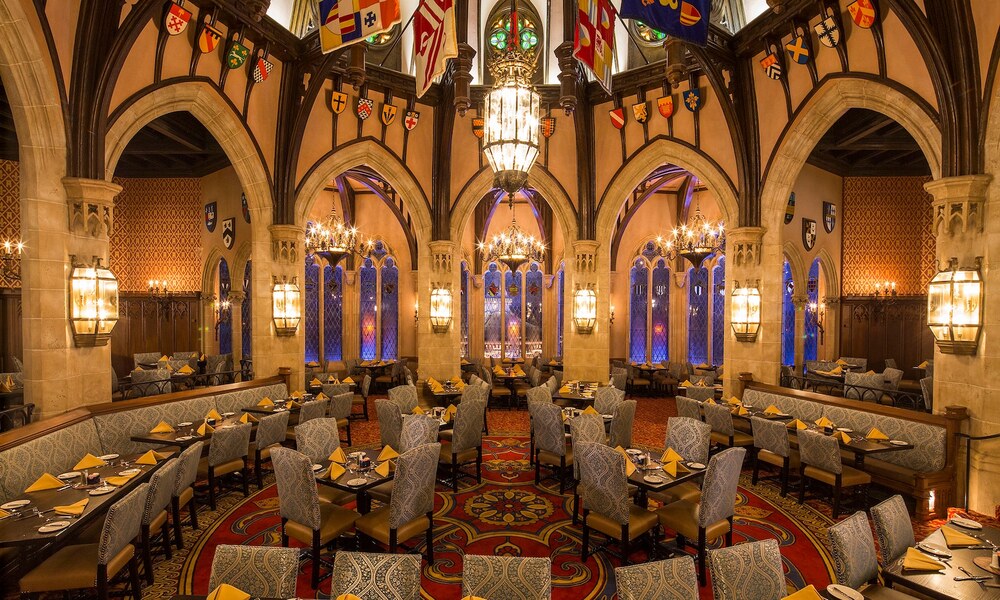
Walt Disney World Dining
Dole Whip at Aloha Isle in Magic Kingdom. The Grey Stuff at Be Our Guest. Cheeseburger Spring Rolls at the Magic Kingdom cart. Tonga Toast at Captain Cook's in the Polynesian. School Bread at Kringla Bakeri in Epcot's Norway pavilion. Mickey-shaped everything — waffles, pretzels, ice cream bars.
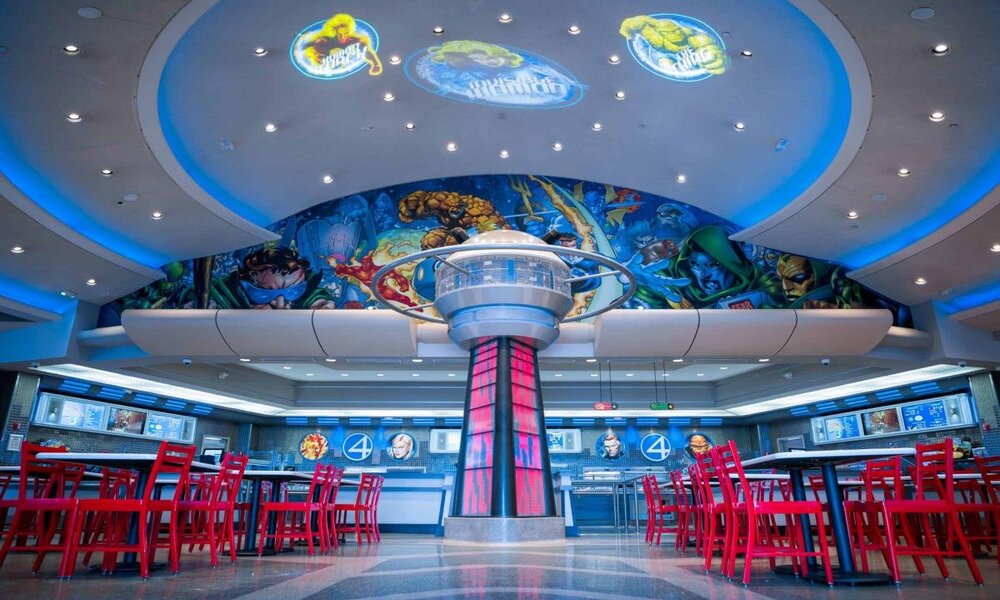
Universal Orlando Dining
Butterbeer at The Wizarding World of Harry Potter — cold, frozen, and hot. The Big Pink Doughnut at Lard Lad Donuts in Springfield. Green Eggs and Ham Tots at Green Eggs and Ham Cafe. Jurassic World Burger at Burger Digs. Mythos Restaurant in Islands of Adventure — consistently voted best theme park restaurant.
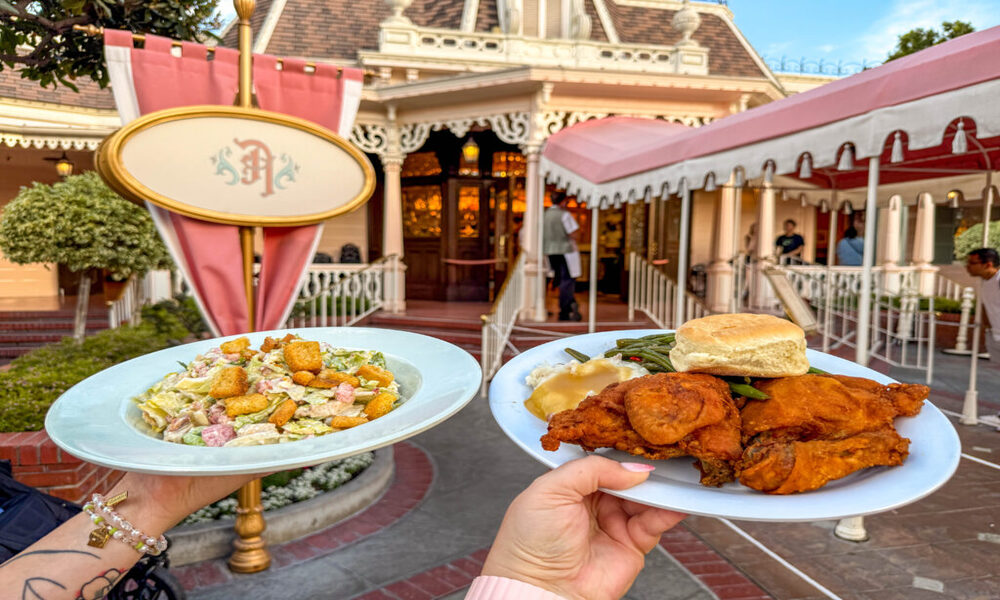
Disneyland Dining
Monte Cristo Sandwich at Cafe Orleans or Blue Bayou. Churros — Disneyland's churros are legendary and available at carts throughout the park. Bengal Barbecue skewers in Adventureland. Corn Dogs from the Little Red Wagon on Main Street. Beignets at the Mint Julep Bar.
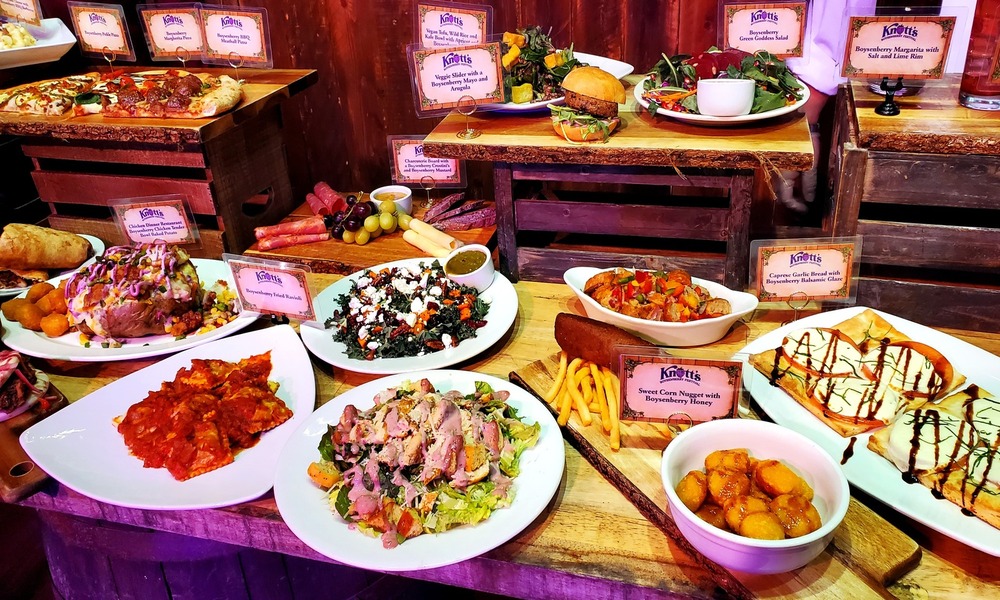
Knott's Berry Farm Dining
Mrs. Knott's Chicken Dinner — Cordelia Knott's original fried chicken recipe served since 1934. Boysenberry pie — the fruit was invented here. Boysenberry funnel cake. Boysenberry BBQ sauce on ribs. The food at Knott's is as much a draw as the rides.
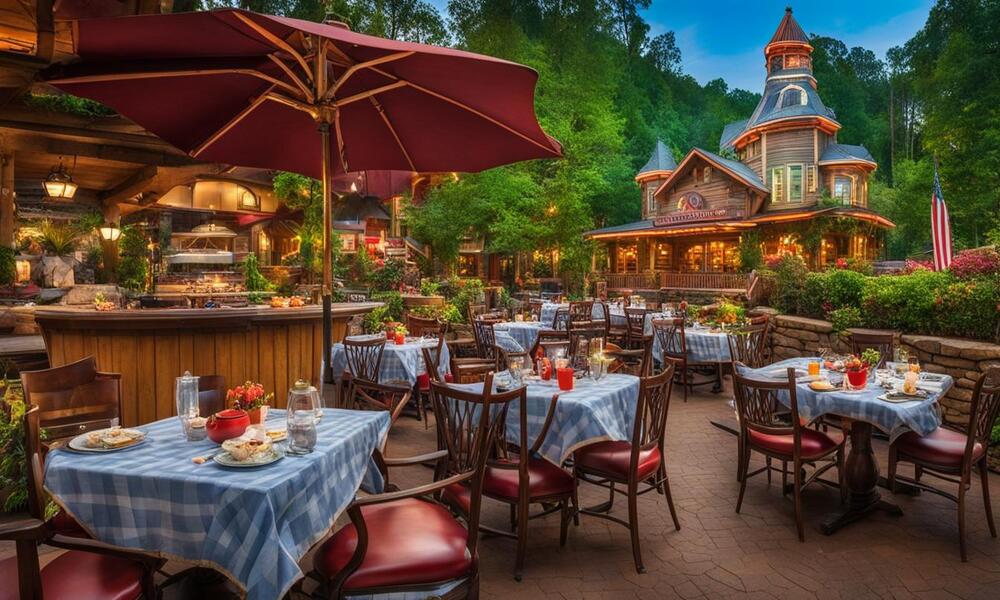
Dollywood Dining
Cinnamon Bread from the Grist Mill — fresh-baked pull-apart bread with icing and apple butter. Skillet-fried chicken. Fresh-churned ice cream. Southern comfort food throughout the park. The seasonal festivals add limited-time food booths.
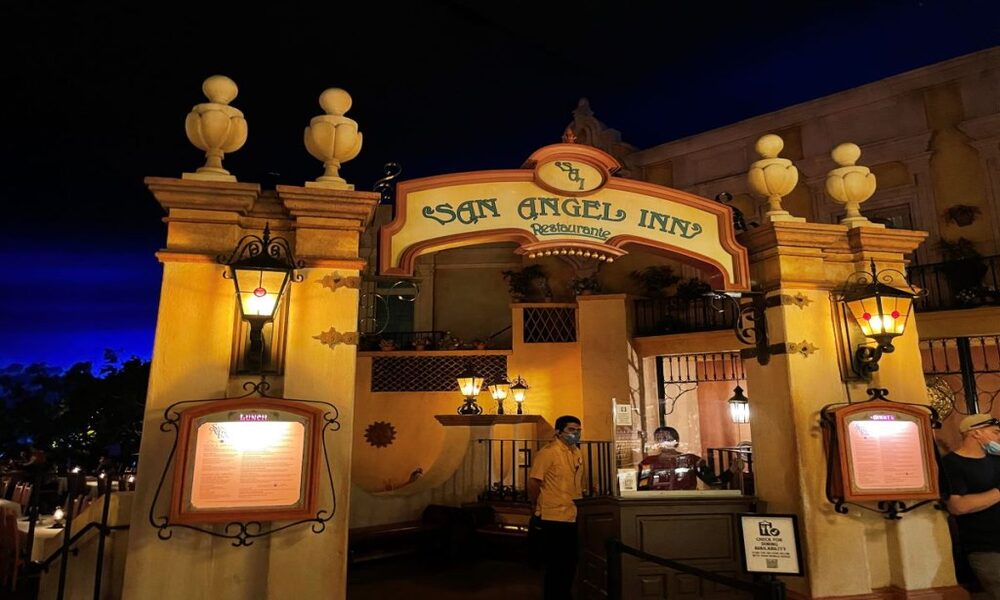
Epcot World Showcase Dining
Eleven countries, each with authentic cuisine. Fish and chips in the United Kingdom. Sushi in Japan. Croissants in France. Tacos in Mexico. The Epcot festivals — Food & Wine, Flower & Garden, Festival of the Arts, Festival of the Holidays — add dozens of food booths.
How to Eat Well at Theme Parks Without Wasting Time or Money
Dining at a theme park can be one of the highlights of your visit or a frustrating drain on time and money. The difference is planning, and planning starts weeks before you arrive at the park gates.
Make reservations as early as the system allows. Disney World opens dining reservations 60 days before your visit at 6:00 AM Eastern Time. Resort guests can book for their entire stay (up to 10 days) at the 60-day mark, giving them an advantage for hard-to-get spots later in their trip. This means a resort guest with a 7-night stay can book restaurants for day 7 at the 60-day mark, while an off-site guest cannot book that same day until 53 days out — a huge competitive advantage. Universal opens most reservations 30 days out, though some special dining experiences open earlier. The most popular restaurants — Cinderella’s Royal Table, Be Our Guest Restaurant, Mythos Restaurant — fill within minutes of availability opening. Set calendar reminders and be online when reservations drop. Have your park tickets linked to your account beforehand and know exactly which restaurants you want and what times work with your park plans.
If you miss initial reservations, do not give up. Cancellations happen constantly as guests change plans. Check the reservation system multiple times daily, particularly at the 24-hour mark when many guests cancel to avoid fees. Early morning and late evening often see waves of cancellations. Third-party services and online communities track availability and can alert you when spots open, though Disney has cracked down on some automated reservation-checking tools.
Mobile ordering is the single best time-saver at Disney and Universal. Instead of waiting in a long quick-service line that can stretch 30-45 minutes during peak hours, order through the park’s app, tap “I’m Here” when you are nearby, and pick up your food from a dedicated window within minutes. Mobile order during peak meal times — 11:30 AM to 1:30 PM and 5:30 PM to 7:30 PM — when walk-up lines are longest. You can order hours in advance and schedule a pickup window, allowing you to time your meal around ride reservations and show times. The system works exceptionally well when used strategically: order while waiting in a ride queue, schedule pickup for after the ride ends, and grab your food with minimal disruption to your park touring.
The mobile order system does have limitations. Not all restaurants participate, and popular locations can run out of pickup windows during peak times. Menu options are sometimes more limited than what is available to walk-up guests. Some locations have technical glitches, and if your order gets lost in the system, customer service resolution can take time you would rather spend enjoying the park. Despite these occasional issues, mobile ordering remains the most efficient way to eat quick-service meals at major parks.
Character dining is expensive but efficient. You meet multiple characters at your table while eating, saving the time you would spend waiting in meet-and-greet lines that can run an hour or more per character. Breakfast is usually the cheapest character meal, with prices ranging from $35-$50 per adult versus $50-$70 for dinner. The food at character buffets is generally solid but not exceptional — you are paying for the experience and the time saved, not for culinary innovation. Book the latest breakfast seating possible (typically 10:00 or 10:30 AM) and treat it as brunch to cover two meals, saving both a lunch expense and valuable park time. Children under three eat free at Disney character meals, making these experiences better value for families with toddlers.
The best character meals offer rare characters not easily found elsewhere in the parks. Akershus Royal Banquet Hall in Epcot features Disney princesses including harder-to-meet characters. Garden Grill in Epcot has Chip, Dale, Pluto, and Mickey in a quieter, more intimate setting than many character meals. Topolino’s Terrace at Disney’s Riviera Resort offers Mickey, Minnie, Donald, and Daisy in high-quality breakfast settings with better food than typical character buffets. Research which characters appear at each meal — rosters occasionally change, and some locations offer more character interaction time than others.
All-day dining deals at parks like SeaWorld, Busch Gardens, and Cedar Point can be excellent value. For a flat fee (typically $35-$45 per person), you eat every 90 minutes from participating restaurants throughout the park. These plans pay for themselves if you eat two full meals plus snacks, and they eliminate decision fatigue about whether individual food items are worth the price. They are less valuable if you are a light eater, if you prefer sit-down restaurants (which typically do not participate), or if you are visiting for just a few hours. Calculate your family’s typical food consumption and compare against regular menu prices before purchasing.
Bring a refillable water bottle. Theme park prices for bottled water are absurd — often $4-$5 for a 20-ounce bottle — and staying hydrated in the heat is essential for preventing exhaustion and headaches that can ruin your day. Quick-service restaurants will give you free cups of ice water on request, no purchase required, though asking at busy counter-service locations may get you uncertain looks from staff who do not realize this is official park policy. Some parks have water bottle refill stations marked on park maps. A refillable bottle saves $20–$30 per person over a multi-day trip, and the health benefits of consistent hydration far exceed the cost savings.
Split meals strategically. Portion sizes at theme parks are frequently enormous, particularly at quick-service locations where a single entree can easily feed two people. Many parks explicitly allow meal splitting, and even where it is not advertised, most locations will provide an extra plate at no charge. This works especially well with kids — one adult meal split between two children is often more food than they will eat and costs less than two kids’ meals. Splitting also lets you try more menu variety, ordering different items and sharing bites to sample more of what a restaurant offers
Allergies, Dietary Restrictions, and Feeding Picky Eaters
Theme parks have become remarkably accommodating of dietary restrictions, driven both by legal requirements and by recognition that food allergies and dietary choices are increasingly common among guests. Disney World is the gold standard, with systems and training that exceed most traditional restaurants. Every table-service restaurant has an allergy-friendly menu featuring items free from major allergens, and chefs will often come to your table to discuss options, confirm ingredients, and sometimes prepare customized meals. Quick-service locations have allergy binders with ingredient lists for every menu item, allowing you to identify safe choices even at counter-service restaurants. Gluten-free, dairy-free, nut-free, soy-free, and vegan options are widely available throughout the parks. You can note dietary restrictions when making dining reservations, and this information is communicated to the restaurant before your arrival, streamlining the process when you check in.
Disney’s allergy accommodations extend to snack carts and mobile ordering. Allergy-friendly options appear in the mobile order system with clear labeling. Certain resort quick-service locations stock dedicated allergy-friendly items like Enjoy Life cookies and allergen-free brownies. The company takes cross-contamination seriously, using separate preparation areas and dedicated cooking equipment for allergy orders at many locations.
Universal Orlando also handles allergies well, though the system is slightly less formalized than Disney’s. Menus are labeled for common allergens, and staff are trained to direct guests to ingredient information. Chefs are available at table-service restaurants to discuss modifications and safe preparation methods. Quick-service locations have allergen information available on request, typically in binder form at the register. Harry Potter restaurants in both parks — Three Broomsticks and Leaky Cauldron — have dedicated allergy menus, which is particularly important given how heavily the theming influences menu choices and how many guests specifically visit these locations as destination dining experiences.
Kosher and halal options are available at major parks but require advance planning. Disney offers kosher meals at many table-service restaurants with 24-hour advance notice, prepared off-site and delivered sealed to maintain certification. Universal has halal options at select locations, though availability varies by restaurant and season. Call ahead or email the park’s dining services (easily found on official park websites) to confirm availability, place advance orders where required, and understand any limitations. Religious dietary accommodations are taken seriously by park operators, but the logistics require advance coordination.
Vegetarian and vegan dining has expanded dramatically. Disney, Universal, and most regional parks now offer plant-based entrees at nearly every restaurant, clearly marked on menus. These are not just salads — you will find plant-based burgers, grain bowls, pasta dishes, and even vegan versions of signature items like Dole Whip (which is naturally vegan at most locations). Mobile order systems let you filter for vegetarian and vegan options, making it easy to identify choices without reading entire menus. The quality of plant-based offerings varies significantly by location, with some restaurants offering creative, satisfying options while others provide obvious afterthoughts, so reading recent reviews helps identify the best spots.
For picky eaters, the kids’ menus at theme parks are reliably boring in a good way — chicken tenders, mac and cheese, burgers, pizza, hot dogs. This consistency across restaurants means picky children can find familiar options almost anywhere. Most quick-service locations will sell kids’ meals to adults, which is not always advertised but is typically permitted when requested. Portion sizes for kids’ meals are generous at Disney and Universal, particularly compared to standard restaurant kids’ meals. A kids’ meal can be enough for an adult with a lighter appetite, and it costs significantly less than an adult entree — often $7-$9 versus $15-$20 for adult quick-service meals.
Bring snacks. Every major park allows you to bring your own food, with some restrictions. No glass containers, no alcohol, and no large coolers requiring wheels or being too large for reasonable carrying. Granola bars, fruit snacks, crackers, individual chip bags, and other portable items can tide over hungry kids between meals and save a small fortune over the course of a trip. A family of four can easily spend $100 per day just on snacks if buying everything in the park; bringing your own reduces this to nearly nothing while ensuring kids have familiar options. Security bag checks are routine and unopened packaged snacks pass through without issue. Some families pack full lunches, though carrying sandwiches all day in heat requires insulated bags and ice packs.
Eating Your Way Through Theme Park Festivals
Seasonal festivals have become a major part of the theme park dining experience, and the food booths at these events offer some of the best eating in any park. These festivals transform ordinary park visits into culinary adventures, where sampling small plates becomes an attraction equal to the rides. Epcot is the undisputed king of festival dining, with four major festivals each year that draw food enthusiasts from around the world.
The Epcot International Food & Wine Festival runs from late summer through fall, typically mid-July through mid-November, making it the longest festival on the calendar. Dozens of food booths line World Showcase, each serving small plates and drink pairings from around the world. Recent festivals have featured over 30 global marketplaces with rotating menus that change annually, ensuring regular visitors encounter new dishes. A tasting passport — available in paper form free at the park entrance or digitally through the My Disney Experience app — lets you track what you have tried, rate dishes, and share recommendations. Prices per plate range from $5 to $12, with most items in the $7-$9 range, and splitting dishes with a partner lets you sample more without filling up too fast. Weekends are extremely crowded, particularly during the weekend of the half-marathon in November when runners descend on the park specifically for food booth crawls — weekday afternoons are the sweet spot for shorter lines and better booth availability.
Food & Wine Festival strategy requires budgeting and pacing. It is easy to spend $100 per person in a single visit while sampling 10-12 items. The Disney Dining Plan does not cover festival booths (except snack credits at select locations), so budget real money. Start at the back of World Showcase (Morocco or Japan if entering through main entrance) where crowds are lighter early in the day, and work your way around. Share everything unless you identify a must-have favorite. Balance rich, heavy dishes with lighter options. Drink plenty of water between plates. The temptation to eat everything immediately leads to palate fatigue and uncomfortable fullness by the time you reach the showcase plaza.
The Epcot International Flower & Garden Festival in spring, typically March through early July, features garden-themed food booths alongside elaborate topiary displays of Disney characters. The food is lighter and fresher than Food & Wine, emphasizing seasonal produce, bright flavors, and dishes that feel appropriate for warm Florida weather. Outdoor kitchens serve items like pistachio cake, griddled cheese with bacon marmalade, and frushi (fruit sushi made with rice-shaped sticky rice and fresh fruit). The festival features multiple concert series included with park admission, making this a strong value proposition for guests who want entertainment beyond dining.
The Festival of the Arts in winter, typically January through February, adds artistic presentations to the food. Each booth’s dishes are designed to be visually striking, with culinary presentations that photograph beautifully. Food is art here, sometimes literally — paint palettes made of chocolate, dishes served on artist’s palettes, and presentations that emphasize visual creativity as much as flavor. The festival also features visual art galleries, performance art, and workshops, creating a more culturally rounded experience than pure food focus.
The Festival of the Holidays in November and December features holiday dishes from around the world, with booths representing different cultural celebrations. You will find French buche de Noel, German stollen, Mexican tamales, and American classics reimagined through international lenses. The festival operates concurrently with Epcot’s holiday decorations and the Candlelight Processional, making late November and early December incredibly busy but atmospherically rich times to visit.
Beyond Epcot, Dollywood’s seasonal festivals — Flower & Food Festival in summer, Harvest Festival in fall, and Smoky Mountain Christmas in winter — feature limited-time food booths with Southern and holiday-inspired small plates. Dollywood leans heavily into regional Appalachian cuisine and Southern comfort food, featuring items like smoked turkey legs, apple butter barbecue, kettle corn, and cinnamon bread (a Dollywood signature that guests travel specifically to eat). The festivals are included with regular admission, and food quality is notably high for a regional park, reflecting Dolly Parton’s personal involvement in park operations and her emphasis on authentic Southern hospitality.
Knott’s Berry Farm’s Boysenberry Festival, typically in spring, showcases dozens of boysenberry-infused dishes and drinks throughout the park. Boysenberries were cultivated on the farm that became Knott’s Berry Farm, making this festival deeply connected to park history. Expect boysenberry pizza, boysenberry chicken wings, boysenberry nachos, boysenberry funnel cake, boysenberry cheesecake, boysenberry cocktails, and boysenberry everything else imaginable. The festival is a celebration of culinary creativity and regional pride, and it has inspired similar produce-focused festivals at other regional parks.
Universal’s Mardi Gras celebration, typically February through March, adds Cajun and Creole food booths throughout Universal Studios Florida alongside nightly parades and concerts. Food booths serve jambalaya, beignets, po’boys, gumbo, and other New Orleans classics. Portion sizes are more generous than Epcot festival booths, and prices are slightly lower, making Universal’s Mardi Gras one of the better values in festival dining. The celebration includes live concerts from nationally recognized acts included with park admission, providing significant entertainment value beyond the food.
Festival dining strategy: arrive early or stay late to avoid peak weekend crowds, share plates to maximize variety, pace yourself to avoid fullness before you have sampled everything you want, and budget more than you think you will need. It is easy to spend $60 or more per person on small plates, but it is also one of the most enjoyable ways to experience a park. The food is generally higher quality than standard quick-service offerings, and the festival atmosphere creates a sense of special occasion that enhances the experience beyond the food itself. Regular visitors often plan trips specifically around festival schedules, and these events have become significant revenue drivers for parks while creating genuine enthusiasm among guests who might otherwise skip food as a secondary consideration.
Frequently Asked Questions
Do I really need to make dining reservations months in advance?
For the most popular restaurants — Cinderella’s Royal Table, Be Our Guest, Mythos, character meals — yes. These book to capacity well in advance. Less famous table-service restaurants and quick-service locations do not require reservations.
Is theme park food expensive?
Yes. Expect to spend $15–$25 per person for a quick-service meal with a drink, and $35–$60+ per person for table service. Snacks range from $5–$15. Budget $50–$80 per person per day for food, or more if you plan multiple table-service meals.
Can I bring my own food into the parks?
Yes. All major parks allow outside food with some restrictions. No glass containers, no alcohol, and no large coolers. Pack snacks, sandwiches, and refillable water bottles to save money.
What is the best character dining experience?
Cinderella’s Royal Table at Magic Kingdom for the castle setting and princesses. Tusker House at Animal Kingdom for the African-inspired buffet and safari character outfits. Storytellers Cafe at Disney’s Grand Californian for a relaxed character breakfast.
Are dining plans worth it?
Disney’s dining plans were suspended and have not returned. Universal’s dining plans are available as add-ons and can save money if you plan to eat multiple sit-down meals. All-day dining deals at SeaWorld, Busch Gardens, and Cedar Point offer good value for heavy eaters.
What should I do if I have a food allergy?
Note allergies when making reservations. At table-service restaurants, inform your server. At quick-service locations, ask for an allergy menu or speak with a manager. Disney chefs will often come to your table to discuss options. Universal and most major parks handle common allergies well.